
NewsDetails
Comparing Insulated Pipeline Supplier Options for Oil, Gas, and District Heating
author:Zhantong time:2026-01-17 11:43:12 Click:94
What Does an Insulated Pipeline Supplier Provide?
An Insulated Pipeline Supplier delivers piping systems designed to transport fluids or gases while minimizing heat loss, preventing freezing, and improving operational safety. These systems are widely used in oil transmission, natural gas distribution, and district heating networks where temperature stability and energy efficiency are critical.
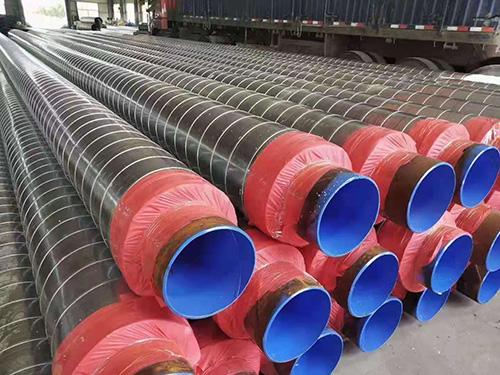
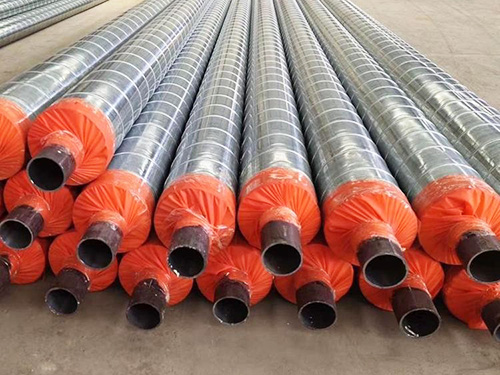
Unlike standard pipes, insulated pipelines combine a carrier pipe, insulation layer, and protective outer jacket. Together, these layers protect the medium from environmental influence while maintaining consistent flow conditions. A professional insulated pipeline supplier focuses not only on materials but also on system compatibility, load behavior, and installation performance.
Through controlled factory production, insulated pipelines are manufactured with predictable thermal and mechanical characteristics suitable for large-scale energy projects.
Why Insulation Matters in Oil, Gas, and Heating Networks
Insulation directly affects the performance of pipeline systems. In oil and gas transport, temperature changes can increase viscosity, reduce flow efficiency, and cause condensation or corrosion. In district heating, thermal loss increases operating costs and reduces network efficiency.
A qualified Insulated Pipeline Supplier ensures that pipelines maintain stable internal temperatures even under harsh outdoor conditions. This protects the transported medium, improves energy utilization, and extends the service life of the pipeline.
Additionally, insulation enhances personnel safety by lowering surface temperatures and reducing the risk of burns or environmental exposure. Manufacturer-controlled production guarantees uniform insulation thickness and bonding quality across every pipeline segment.
Key Materials Used in Insulated Pipelines
Material selection is one of the main differences when comparing an Insulated Pipeline Supplier. A typical insulated pipeline consists of three main layers:
Carrier Pipe – Usually carbon steel, alloy steel, or stainless steel depending on pressure and corrosion requirements.
Insulation Layer – Common options include polyurethane foam, mineral wool, or composite insulation materials. These reduce heat transfer and improve energy efficiency.
Outer Jacket – Typically polyethylene, steel, or composite casings that protect against moisture, impact, and soil stress.
Each layer must work together to maintain structural stability and thermal performance. Professional factory production ensures proper bonding between layers, preventing delamination and long-term degradation.
Performance Factors When Comparing Suppliers
When evaluating an Insulated Pipeline Supplier, performance should be assessed beyond basic pricing. Key technical factors include thermal conductivity, load resistance, corrosion protection, and joint sealing reliability.
Thermal efficiency determines how much heat is retained across long distances. Structural strength ensures the pipeline can handle soil pressure, traffic load, and thermal expansion. Corrosion protection reduces the risk of leakage and downtime.
Another important factor is customization. Different oil, gas, and district heating projects require unique dimensions, insulation thickness, and connection types. Through scalable production systems, manufacturers can adjust pipeline designs while maintaining consistent quality for bulk supply orders.
Installation, Quality Control, and Production Standards
Installation efficiency is closely linked to the way insulated pipelines are produced. A professional Insulated Pipeline Supplier designs pipelines for easy alignment, consistent joint geometry, and reliable sealing performance.
Before shipment, pipelines undergo inspection for dimensional accuracy, insulation density, and jacket integrity. These quality checks reduce installation errors and minimize on-site modifications.
Factory-controlled production standards ensure that each pipeline section behaves predictably once installed, reducing long-term maintenance requirements and improving overall system safety.
Lifecycle Cost and Long-Term Reliability
Initial purchase cost is only one part of the decision when selecting an Insulated Pipeline Supplier. Lifecycle cost includes energy loss, maintenance, inspection, and potential replacement.
High-quality insulation reduces operational energy consumption, especially in district heating systems where thermal efficiency directly impacts operating budgets. Durable outer jackets reduce water infiltration and corrosion, extending service life.
Manufacturer production ensures stable performance over decades, which lowers total cost of ownership and improves project sustainability.
Manufacturer Production and Factory Supply Advantages
Choosing a professional manufacturer brings consistency and technical reliability that local fabrication cannot match. Factory-based production lines ensure accurate control of materials, dimensions, and insulation processes.
With organized factory supply, large infrastructure projects can receive identical pipeline sections for uniform system performance. Bulk production improves logistics efficiency and ensures compatibility across long-distance networks.
A structured production environment also allows traceability, testing, and documentation for every insulated pipeline segment delivered by the supplier.
Application Scenarios Across Energy Infrastructure
An experienced Insulated Pipeline Supplier supports a wide range of energy infrastructure projects. In oil transport, insulated pipelines maintain flow properties and reduce wax formation. In gas systems, insulation prevents condensation and thermal stress.
In district heating networks, insulated pipelines deliver hot water or steam efficiently across urban and industrial zones. Their thermal stability reduces heat loss and supports sustainable energy management.
Thanks to professional factory production and manufacturer bulk supply, insulated pipelines remain essential components in modern energy and utility systems.
Conclusion: Selecting the Right Insulated Pipeline Supplier
Comparing Insulated Pipeline Supplier options requires more than checking prices. Engineers and project managers must evaluate insulation performance, material quality, production standards, installation efficiency, and lifecycle cost.
By working with suppliers backed by professional manufacturer production and reliable factory supply, projects gain consistent quality, predictable performance, and long-term operational safety.
The right insulated pipeline supplier is not just a vendor—it is a technical partner supporting efficiency, reliability, and sustainability across oil, gas, and district heating networks.
References
GB/T 7714:Wonsyld T, Babus' Haq R F, Probert S D. Pre-insulated district-heating pipelines: Design and operational advice[J]. Applied energy, 1992, 42(4): 227-236.
MLA:Wonsyld, T., R. F. Babus' Haq, and S. D. Probert. "Pre-insulated district-heating pipelines: Design and operational advice." Applied energy 42.4 (1992): 227-236.
APA:Wonsyld, T., Babus' Haq, R. F., & Probert, S. D. (1992). Pre-insulated district-heating pipelines: Design and operational advice. Applied energy, 42(4), 227-236.
 Recommended Products
 Contact us
—— Contact:Manager
—— Tel:+86 15231788966
—— Email:info@zhantongpipe.com
—— Url:https://www.zhantongpipe.com
—— Address:Mengcun Hui Autonomous County, Cangzhou City, Hebei Province