
NewsDetails
Flange Pressure Class Explained: Class 150, 300, 600, 900, 1500, 2500
author:Zhantong time:2026-01-16 11:21:23 Click:157
What Is Flange Pressure Class?
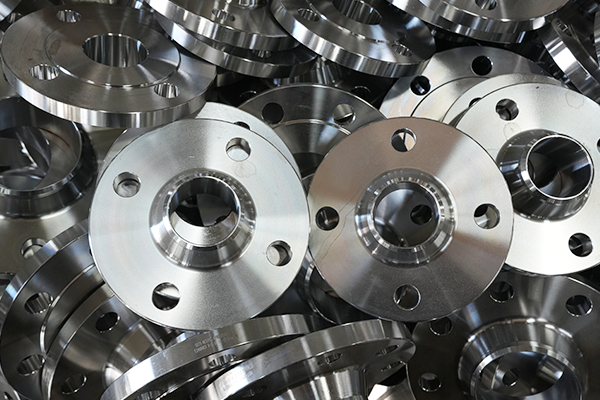
The flange pressure class defines the pressure-temperature rating of a flange used in piping systems. It indicates how much internal pressure a flange can safely withstand at a specific temperature. Rather than representing a single pressure number, each flange pressure class reflects a range of allowable pressures depending on material type and operating temperature.
In industrial pipelines, flanges connect pipes, valves, pumps, and other equipment. Selecting the proper flange pressure class ensures that joints remain sealed and structurally stable under operating conditions. An incorrect class may lead to leakage, deformation, or even catastrophic failure.
Through standardized factory production, flange pressure class ratings are manufactured with consistent geometry and strength, supporting reliable installation in demanding environments.
Why Pressure Class Matters in Piping Systems
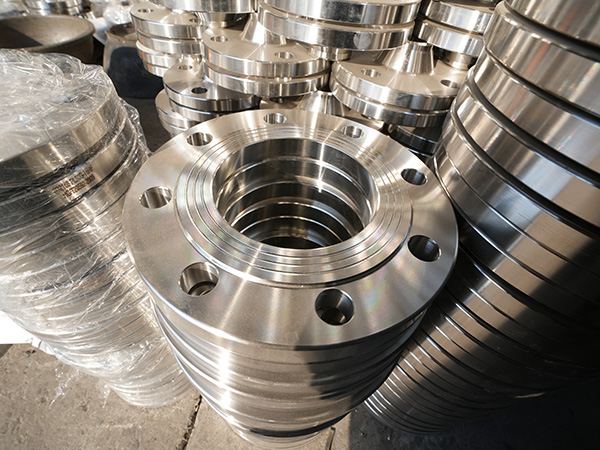
A correct flange pressure class protects piping systems from excessive stress caused by internal pressure and thermal expansion. When fluids or gases flow through pipelines, pressure and temperature continuously interact. Higher temperatures reduce material strength, so pressure limits must be adjusted accordingly.
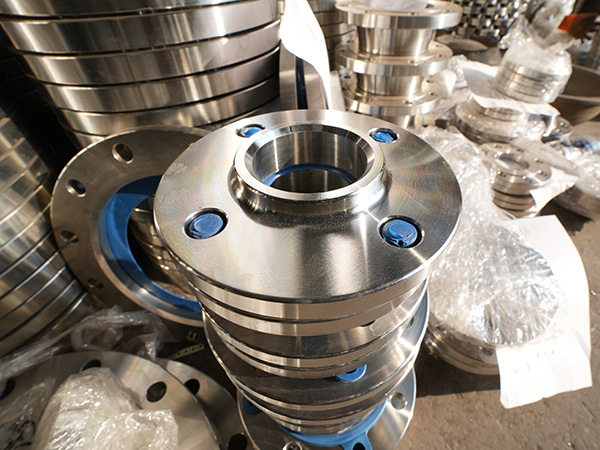
Pressure class selection also affects bolt sizing, gasket performance, and flange thickness. Higher classes use thicker sections and stronger fasteners to resist forces at the joint interface. This ensures tight sealing even during pressure fluctuations.
Professional manufacturer production allows flanges of each pressure class to be fabricated under controlled conditions, guaranteeing predictable performance across large installation projects.
Understanding Class 150 and Class 300
Class 150 is commonly used in low-pressure systems such as water supply, HVAC, and general process lines. At moderate temperatures, Class 150 flanges handle relatively low working pressure and provide cost-effective connectivity.
Class 300 increases pressure capacity and is suitable for medium-pressure industrial pipelines. These flanges feature thicker cross-sections and higher bolt loads compared with Class 150.
When selecting between these two flange pressure class options, engineers consider operating pressure, fluid type, and temperature range. Factory-controlled production ensures both classes meet dimensional and strength requirements before bulk supply.
Medium-High Ratings: Class 600 and Class 900
Moving upward, Class 600 and Class 900 serve more demanding applications. They are often used in chemical processing, power generation, and oil and gas transmission.
Class 600 flanges provide enhanced resistance to internal pressure while maintaining manageable installation weight. Class 900 further increases capacity for systems where pressure and temperature are both elevated.
At these levels, flange pressure class selection becomes critical to avoid joint separation or gasket blowout. Through precise production control, these flanges are manufactured with tighter tolerances and reinforced profiles for safety.
High-Pressure Applications: Class 1500 and 2500
Class 1500 and Class 2500 represent high-pressure flange pressure class categories designed for extreme environments. These are typically found in high-temperature steam lines, offshore platforms, and critical refinery operations.
These flanges have heavy wall thickness, robust bolt patterns, and advanced sealing interfaces. Class 2500, in particular, supports extremely high internal pressure while maintaining joint integrity under thermal cycling.
Because failure risks increase at high pressure, factory production emphasizes testing, inspection, and material traceability to ensure long-term reliability.
Pressure, Temperature, and Material Relationship
A key concept behind flange pressure class is the relationship between pressure, temperature, and material strength. As temperature rises, most metals lose tensile strength, which reduces allowable working pressure.
For example, a flange rated at high pressure at ambient temperature may handle significantly less pressure at elevated temperatures. That is why pressure class charts always reference both parameters.
Material choice also affects class performance. Carbon steel, alloy steel, and stainless steel respond differently to heat and stress. Through standardized manufacturer production, flanges are matched with appropriate materials for each pressure class application.
Production Process and Quality Control
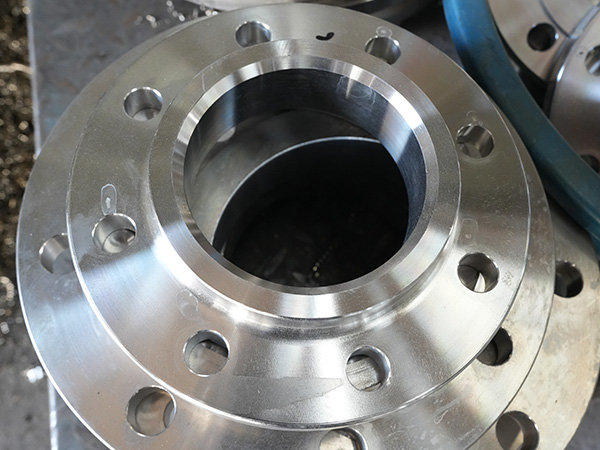
The performance of a flange pressure class product depends heavily on its production process. It begins with material selection, forging or casting, machining, heat treatment, and final inspection.
Dimensional accuracy is essential for bolt alignment and gasket seating. Surface finish must support proper sealing, while heat treatment improves mechanical strength and fatigue resistance.
Quality control during factory production includes dimensional checks, hardness testing, and visual inspection. These steps ensure that every flange pressure class meets its structural and safety requirements before bulk shipment.
Manufacturer Production and Factory Supply Advantages
Sourcing flanges from a professional manufacturer offers consistency that on-site fabrication cannot provide. Factory-controlled production guarantees uniform thickness, hole spacing, and pressure performance for each flange pressure class.
With scalable factory supply, large projects can use identical flanges across pipelines, improving installation efficiency and long-term maintenance. Bulk production also reduces variability between components, which enhances overall system reliability.
A structured production system ensures that every flange pressure class is delivered with stable quality and predictable performance.
Conclusion: Choosing the Right Flange Pressure Class
Understanding flange pressure class ratings—Class 150, 300, 600, 900, 1500, and 2500—is essential for building safe and efficient piping systems. Each class represents a balance between pressure capacity, temperature limits, and material behavior.
By evaluating operating conditions and sourcing through reliable manufacturer production and factory supply channels, engineers can ensure consistent quality and long-term system integrity.
Selecting the correct flange pressure class is not just a specification step—it is a strategic decision that protects safety, performance, and operational stability across industrial pipelines.
References
GB/T 7714:Link R E. An introduction to the design and behavior of bolted joints[J]. Journal of Testing and Evaluation, 1991, 19(5): 417-418.
MLA:Link, R. E. "An introduction to the design and behavior of bolted joints." Journal of Testing and Evaluation 19.5 (1991): 417-418.
APA:Link, R. E. (1991). An introduction to the design and behavior of bolted joints. Journal of Testing and Evaluation, 19(5), 417-418.
 Recommended Products
 Contact us
—— Contact:Manager
—— Tel:+86 15231788966
—— Email:info@zhantongpipe.com
—— Url:https://www.zhantongpipe.com
—— Address:Mengcun Hui Autonomous County, Cangzhou City, Hebei Province