
NewsDetails
How a Professional Flange Manufacturer Ensures Dimensional Accuracy
author:Zhantong time:2026-01-11 22:50:36 Click:69
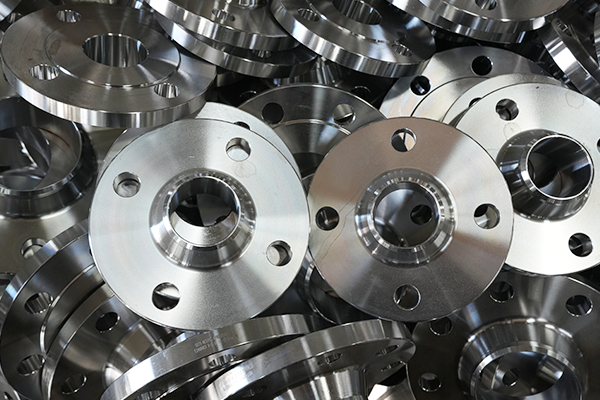
Dimensional accuracy is one of the most critical factors in flange performance. Even minor deviations can lead to sealing failure, misalignment, or long-term system leakage. For a professional flange manufacturer, ensuring precise dimensions is not only a technical requirement but also a reflection of production capability, quality control, and reliability in bulk supply.
In large-scale industrial production, dimensional accuracy determines whether flanges can be safely integrated into piping systems across different projects and operating conditions. This article explains how a professional flange manufacturer achieves and maintains dimensional accuracy throughout the entire production process.
Why Dimensional Accuracy Matters in Flange Manufacturing
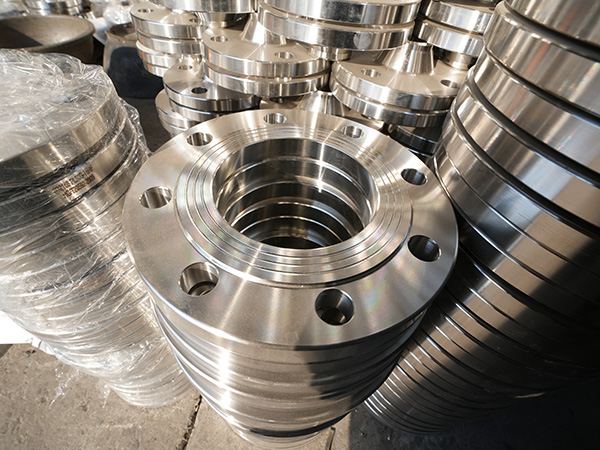
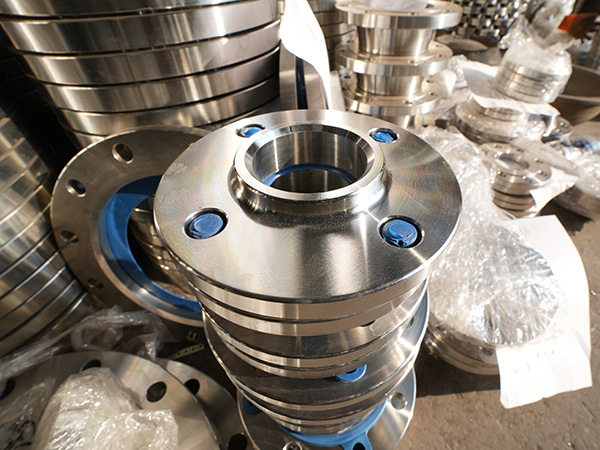
Flanges serve as connection points in piping systems, linking pipes, valves, pumps, and other equipment. Accurate dimensions ensure:
·Proper gasket sealing
·Correct bolt alignment
·Uniform load distribution
·Compatibility with international standards
From a manufacturing and production perspective, dimensional consistency is essential when supplying flanges in bulk for industrial pipelines, energy facilities, and infrastructure projects.
Material Control as the Foundation of Accuracy
Raw Material Selection
Dimensional accuracy begins with raw material control. A professional flange manufacturer carefully selects steel grades with stable chemical composition and mechanical properties. Variations in material quality can affect machinability and dimensional stability during production.
Material Traceability
In structured production environments, each batch of material is traceable. This allows manufacturers to monitor performance consistency and identify potential deviations early in the manufacturing process.
Precision Machining and Equipment Control
CNC Machining for Dimensional Consistency
Modern flange production relies heavily on CNC machining. Computer-controlled equipment ensures that critical dimensions—such as outer diameter, bolt circle diameter, and flange thickness—are produced within strict tolerances.
CNC systems enable manufacturers to repeat the same dimensional accuracy across large production volumes, making them ideal for bulk supply requirements.
Tooling and Calibration Management
Tool wear can directly affect dimensional accuracy. Professional manufacturers implement routine tooling inspection and calibration programs to prevent gradual dimensional drift during continuous production.
Process Standardization in Flange Production
Defined Production Procedures
A professional flange manufacturer follows standardized production procedures for each flange type and pressure class. These procedures define machining steps, inspection points, and acceptance criteria.
Standardization reduces variability and ensures that flanges produced at different times or in different batches meet identical dimensional requirements.
Temperature and Stress Control
Machining generates heat, which can cause material expansion. Controlled production environments and proper machining parameters help minimize thermal distortion and maintain dimensional stability.
Dimensional Inspection and Quality Control
In-Process Inspection
Dimensional checks are not limited to final inspection. During production, manufacturers conduct in-process inspections to verify critical dimensions at key stages.
This approach allows for immediate adjustments, preventing large batches of non-conforming products.
Final Dimensional Verification
Before shipment, flanges undergo final dimensional inspection using precision measuring tools such as calipers, micrometers, and coordinate measuring machines (CMMs). This ensures compliance with design drawings and applicable standards.
Role of Standards in Dimensional Accuracy
International standards define acceptable dimensional tolerances for flanges. A professional flange manufacturer aligns production and inspection processes with these standards to ensure global compatibility.
Standard compliance not only guarantees dimensional accuracy but also simplifies installation and reduces the risk of mismatch in complex piping systems.

Production Experience and Workforce Skill
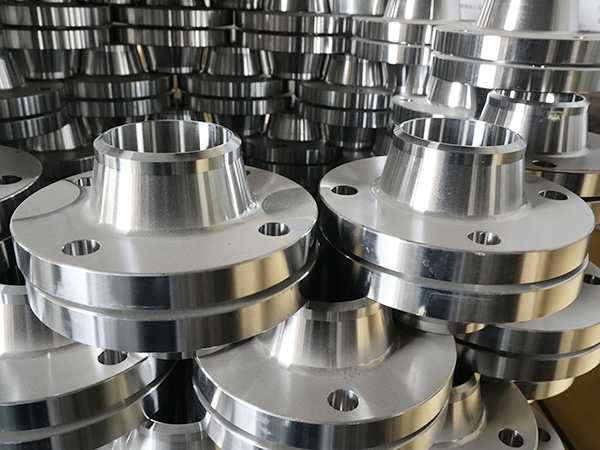
While automation plays a significant role, experienced technicians remain essential in flange manufacturing. Skilled operators understand machining behavior, recognize early signs of deviation, and apply corrective actions when necessary.
In high-volume production environments, the combination of skilled labor and automated systems ensures consistent dimensional accuracy across all supplied flanges.
Managing Dimensional Accuracy in Bulk Supply
Supplying flanges in bulk requires a higher level of control. A professional flange manufacturer implements batch control systems, statistical process control (SPC), and documented inspection records to maintain consistency across large orders.
This level of production discipline is especially important for projects requiring long-term supply or phased deliveries.
Continuous Improvement in Manufacturing Accuracy
Professional manufacturers continuously evaluate production data to identify opportunities for improvement. Process optimization, equipment upgrades, and inspection technology enhancements all contribute to improved dimensional accuracy over time.
This commitment to continuous improvement strengthens the manufacturer’s ability to meet evolving industry requirements.
Conclusion: Precision as a Core Capability of a Flange Manufacturer
Dimensional accuracy is a defining characteristic of a professional Flange Manufacturer. From raw material selection and precision machining to standardized production and rigorous inspection, every stage of the manufacturing process contributes to reliable dimensional performance.
For industrial users and engineering projects, choosing a manufacturer with strong production control and bulk supply capability ensures that flanges fit correctly, seal reliably, and perform safely throughout their service life. Dimensional accuracy is not achieved by chance—it is the result of disciplined manufacturing, technical expertise, and consistent quality management.
References
GB/T 7714:Link R E. An introduction to the design and behavior of bolted joints[J]. Journal of Testing and Evaluation, 1991, 19(5): 417-418.
MLA:Link, R. E. "An introduction to the design and behavior of bolted joints." Journal of Testing and Evaluation 19.5 (1991): 417-418.
APA:Link, R. E. (1991). An introduction to the design and behavior of bolted joints. Journal of Testing and Evaluation, 19(5), 417-418.
 Recommended Products
 Contact us
—— Contact:Manager
—— Tel:+86 15231788966
—— Email:info@zhantongpipe.com
—— Url:https://www.zhantongpipe.com
—— Address:Mengcun Hui Autonomous County, Cangzhou City, Hebei Province