
NewsDetails
Welding Plate Flange: Design, Standards and Application Guide
author:Zhantong time:2026-10-11 09:10:26 Click:87
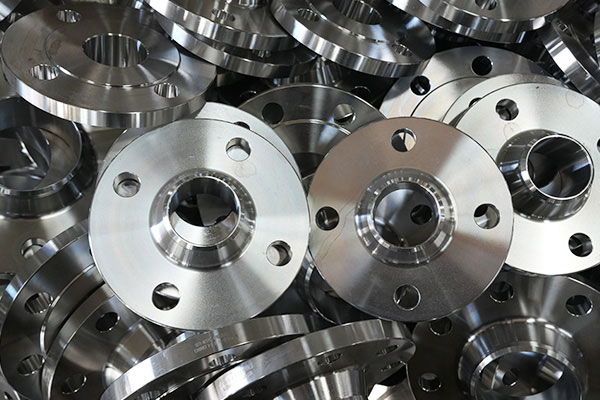
A leaking flange joint costs far more than the flange itself — shutdown hours, product loss and safety exposure. The welding plate flange remains the workhorse connection for low- and medium-pressure water, air, steam and utility piping because it is simple to weld, easy to align and economical at scale. This guide explains how it is built, which standards govern it, and how to specify one that seals the first time.
What Is a Welding Plate Flange?
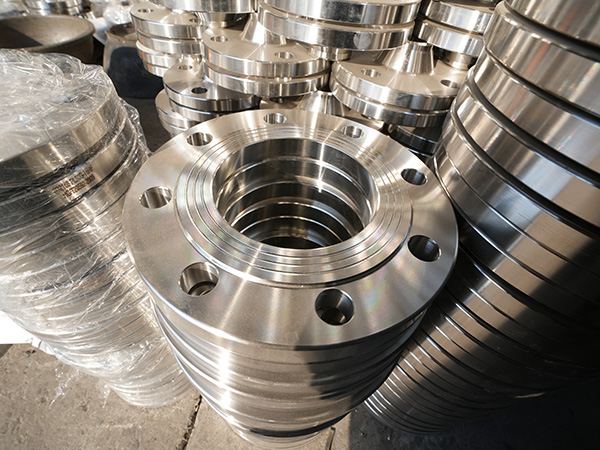
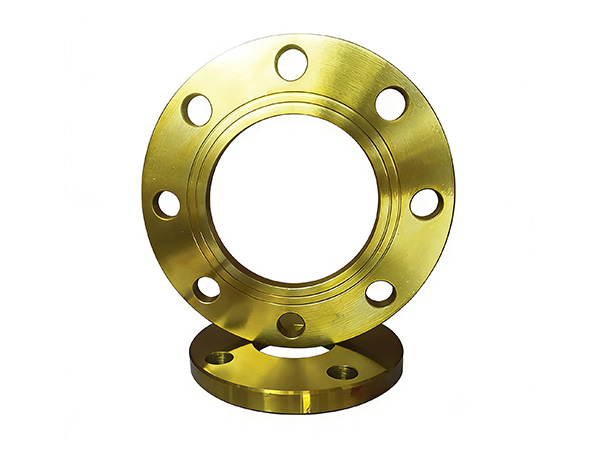
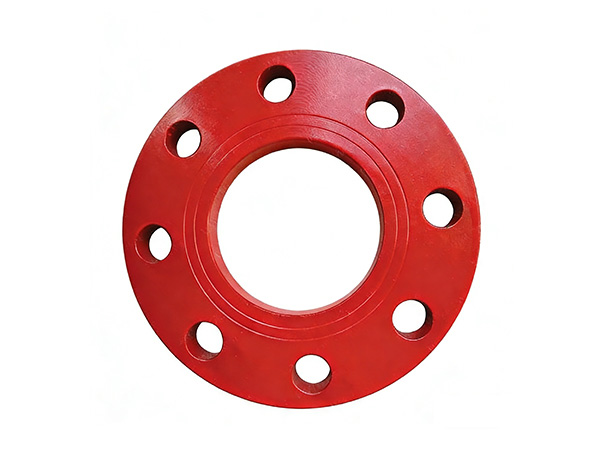
A welding plate flange (also called a plate flat welding flange or slip-on plate flange) is cut or forged from steel plate and welded to the pipe end with one or two fillet welds. Unlike a welding neck flange, it has no long tapered hub, so the pipe slides into the bore before welding. That geometry keeps material cost low and makes field fit-up forgiving on large-diameter utility lines.
Zhantong produces welding plate flanges on CNC machining centers with controlled bolt-circle accuracy, then finishes them with black paint, red paint, anti-rust oil or hot-dip galvanizing depending on service.
Standards, Pressure Class and Dimensions
ASME / ANSI B16.5 for NPS ½″–24″, class 150 to 2500
ASME B16.47 series A / B for large-diameter flanges above 24″
DIN, EN 1092-1, JIS B2220, GOST and GB/T 9119 for European, Japanese, Russian and Chinese projects
Common pressure ratings: PN6 / PN10 / PN16 / PN25 and Class 150 / 300 / 600
Sealing faces supplied as raised face (RF), flat face (FF) or ring type joint (RTJ)
Material Options
Carbon steel — A105, Q235B, Q345R, 20# for water, steam, air and general service
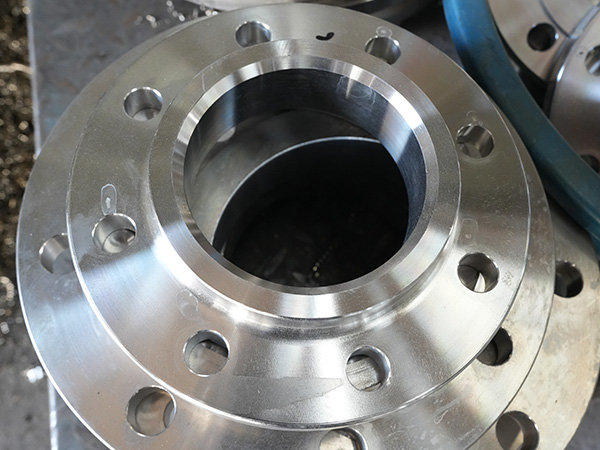
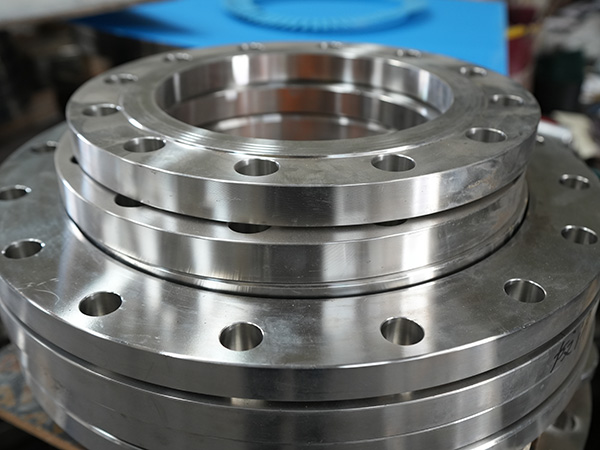
Stainless steel — 304 / 304L / 316 / 316L for chemical, marine and food-grade lines
Alloy steel — 15CrMo, 12Cr1MoV and ASTM A182 F-class material for elevated temperature
Where Welding Plate Flanges Are Used
Municipal water supply, drainage and fire mains
HVAC, compressed air and low-pressure steam loops
Tank farm piping, pump suction and discharge headers
Irrigation, slurry and low-pressure process water
Shipbuilding, marine engineering and offshore utility piping
Quality Control Before Shipment
Every Zhantong order can be delivered with dimensional inspection reports, material test certificates (EN 10204 3.1), heat-number traceability, ultrasonic or magnetic particle testing on request, and coating thickness records. Bolt holes are machined to standard tolerances so gaskets seat concentrically.
Frequently Asked Questions
Is a welding plate flange the same as a slip-on flange?
They are close relatives: both slide over the pipe and are fillet welded. A plate flange is normally cut from plate to GB/T or non-ASME dimensions, while a slip-on flange is a forged ASME B16.5 component with a defined hub and class rating.
Can a plate flange be used on high-pressure steam?
Not recommended. High-pressure or high-temperature steam should use welding neck flanges with the correct class rating and a spiral wound gasket, because plate flanges have lower resistance to bending moments.
What coating should I order for buried service?
Use hot-dip galvanizing or epoxy/paint plus external wrapping, and protect the bolt circle. For buried mains many engineers pair plate flanges with a 3PE or TPEP coated pipe system.
Conclusion
The welding plate flange earns its place wherever pressure is moderate, alignment must be forgiving and budget matters. Define standard, pressure class, face type, material and coating up front and the joint will outlast the maintenance interval. Zhantong stocks and custom-machines plate flanges for ANSI, DIN, EN, JIS and GB projects — send your drawing or spec sheet for a fast quotation.
 Recommended Products
 Contact us
—— Contact:Manager
—— Tel:+86 15231788966
—— Email:info@zhantongpipe.com
—— Url:https://www.zhantongpipe.com
—— Address:Mengcun Hui Autonomous County, Cangzhou City, Hebei Province