
NewsDetails
Corrosion Protection Systems Underground Pipelines Guide
author:Zhantong time:2026-07-20 08:25:48 Click:89
Underground pipelines face relentless attack from aggressive soils, moisture, and stray electrical currents that can compromise steel integrity within years without proper protection. Corrosion protection combines coating systems that isolate the steel from its environment with cathodic protection that suppresses the electrochemical reactions causing metal loss. Together, these systems enable pipeline service lives extending 50 years or more while maintaining safety margins against unexpected failures.
External Coating Systems
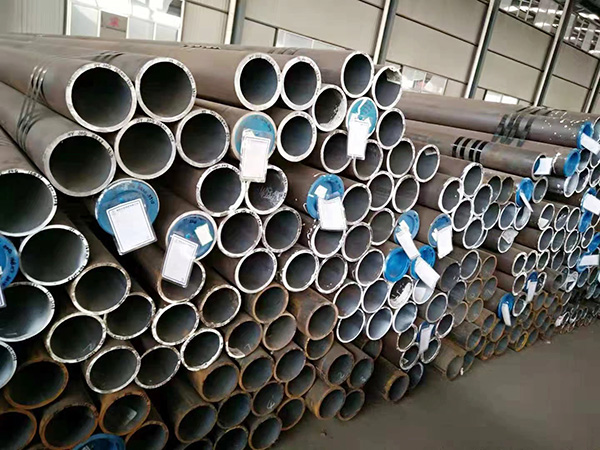
External coatings provide the primary defense against corrosion by creating a continuous barrier between steel and soil environment. Fusion-bonded epoxy (FBE) forms the foundation of modern coating systems through its excellent adhesion, chemical resistance, and temperature capability. The thermosetting epoxy cures to a hard, continuous film typically applied at 12-16 mils thickness during pipe manufacturing.
Three-layer polyethylene (3LPE) systems build on FBE with additional layers that provide mechanical protection. The intermediate adhesive layer bonds the outer polyethylene to the FBE foundation, while the outer layer shields against impact damage, abrasion, and soil stress. These systems achieve 50+ year service lives in typical soil conditions when properly applied and maintained.
Cathodic Protection Fundamentals
Cathodic protection (CP) prevents corrosion by making the pipeline cathodic in the electrochemical cell that would otherwise cause metal loss. The protection works by impressing a DC current that counteracts the natural corrosion currents flowing from anodic areas on the pipe surface. When adequately applied, CP reduces corrosion rates to negligible levels across the entire protected surface.
The protection criterion—traditionally -0.85V versus copper/copper sulfate reference electrode—represents the potential at which steel corrosion effectively stops. This criterion accounts for ohmic drops in the soil and ensures adequate polarization throughout the pipeline. Maintaining potentials more negative than this threshold protects against localized corrosion that could occur at coating holidays.
Impressed Current Cathodic Protection Systems
Impressed current CP systems employ external power sources—typically AC-powered rectifiers—to drive protective current onto the pipeline. These systems can protect extensive pipeline networks from single locations, with current distribution controlled through buried grounding anodes. Anode groundbeds consist of multiple anodes—high-silicon chromium cast iron or mixed metal oxide—distributed in horizontally or vertically installed configurations.
Rectifier selection considers required current output, voltage capacity, and control features for adjustment. Modern rectifiers incorporate remote monitoring capabilities that report current, voltage, and potential readings to central control systems. This connectivity enables rapid response to changing conditions without site visits for routine adjustments.
Sacrificial Anode Cathodic Protection
Sacrificial anode systems generate protective current through galvanic action—zinc, magnesium, or aluminum anodes corrode preferentially to the steel pipeline, releasing electrons that protect the steel. These passive systems require no external power but depend on the electrochemical relationship between anode and steel materials.
Anode selection considers soil resistivity—higher resistivity soils require more reactive anodes like magnesium, while lower resistivity soils permit zinc anodes. Anode output depends on anode dimensions, electrolyte resistivity, and the potential difference between anode and pipeline. Periodic anode replacement maintains protection levels as anodes deplete over years of operation.
CP Interference and Mitigation
Interference occurs when CP systems from nearby pipelines or other structures affect each other's performance. Stray currents from impressed current systems may concentrate on nearby pipelines, potentially causing over-protection or under-protection. Induced potentials from parallel high-voltage transmission lines create similar challenges requiring interference testing and mitigation.
Mitigation techniques include electrical bonding between affected structures, drainage connections that redirect stray currents, and insulating flanges that interrupt galvanic paths. Ground beds positioned to minimize interference effects—typically oriented perpendicular to affected structures—reduce interference at its source. Coordination between operators of adjacent systems prevents conflicts that could compromise protection.
Monitoring and Integrity Management
CP monitoring confirms adequate protection throughout the pipeline network through periodic measurements and continuous monitoring systems. Traditional monitoring employs test stations—typically at one-mile intervals—where technicians measure pipe-to-soil potentials using portable reference electrodes. These surveys identify sections requiring CP adjustments or investigation of protective coating degradation.
Close interval potential surveys (CIPS) and voltage gradient surveys identify coating holidays or interference effects not apparent from standard test station measurements. Integrated pipeline integrity management combines CP data with inline inspection results, direct assessment findings, and risk analysis to prioritize maintenance and repair activities.
Inviting global distributors to join our corrosion protection products distribution network. We supply coating materials, CP equipment, anodes, and monitoring instruments that support pipeline integrity programs worldwide.
References
NACE SP0169: Control of External Corrosion on Underground or Submerged Metallic Piping Systems
ASME B31.8: Gas Transmission and Distribution Piping Systems
API 571: Damage Mechanisms Affecting Fixed Equipment in the Refining Industry
ISO 15589-1: Petroleum, petrochemical and natural gas industries—Cathodic protection of pipeline systems
Materials Performance, February 2021: CP System Optimization Strategies
 Recommended Products
 Contact us
—— Contact:Manager
—— Tel:+86 15231788966
—— Email:info@zhantongpipe.com
—— Url:https://www.zhantongpipe.com
—— Address:Mengcun Hui Autonomous County, Cangzhou City, Hebei Province