
NewsDetails
Flange Types Specifications Industrial Applications
author:Zhantong time:2026-06-16 16:22:43 Click:133
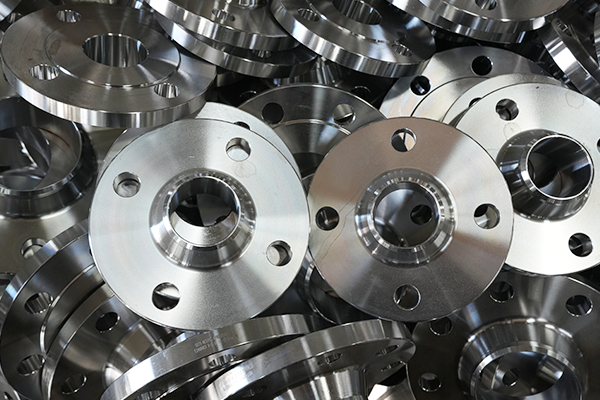
Flanges serve as the critical connecting elements in piping systems worldwide, enabling assembly, maintenance, and modification of complex pipeline networks. These disc-shaped components create secure, leak-resistant joints between pipes, valves, pumps, and other equipment. The diversity of flange designs reflects the equally diverse demands of modern industry, where operating conditions range from cryogenic temperatures to extreme heat and from atmospheric pressure to thousands of pounds per square inch.
Primary Flange Designs and Their Characteristics
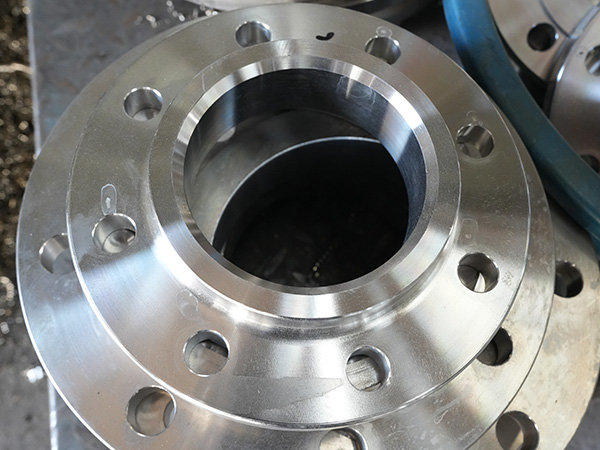
Weld neck flanges represent the premium choice for demanding applications. Their tapered hub provides reinforcement that distributes mechanical stress away from the flange-bolting interface. This design proves especially valuable in high-pressure, high-temperature services where thermal cycling and vibration could compromise lesser connections. The butt-weld attachment creates a continuous metal structure that maintains pipeline integrity.
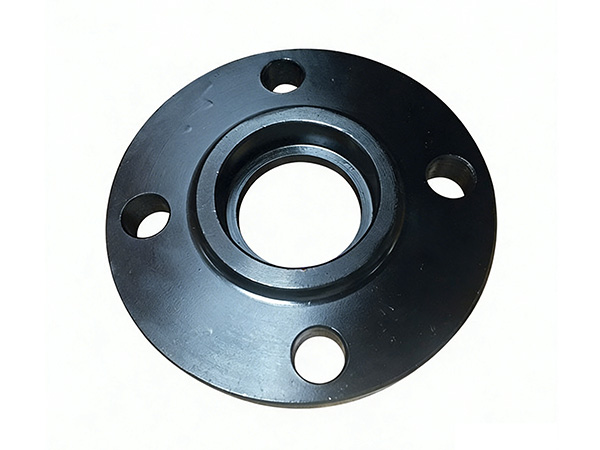
Slip-on flanges offer economic advantages for lower-pressure services. These components slide over the pipe end and receive fillet welds on both inside and outside diameters. While not as robust as weld neck designs, slip-on flanges perform admirably in many chemical processing and water treatment applications. Their simpler installation requirements appeal to contractors working under tight schedules.
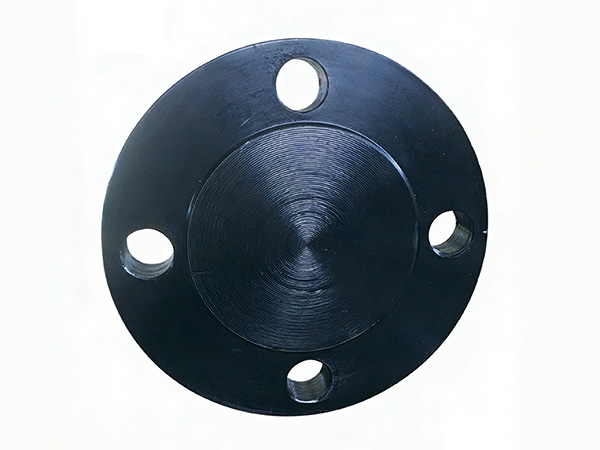
Blind flanges cap off pipe ends, valves, or pressure vessel openings. Despite their apparently simple function, these components must withstand full pipeline pressure without yielding. Manufacturers produce blind flanges in thicknesses that often exceed those of other flange types at equivalent pressure ratings, reflecting the absence of structural reinforcement from a connected pipe.
Material Selection and Pressure Classifications
Flange materials must match or exceed the corrosion resistance and strength characteristics of connected piping. Carbon steel dominates general service applications, while stainless steel grades like 304, 316, and duplex alloys handle corrosive environments. Specialty alloys—Inconel, Monel, Hastelloy—find use in extreme conditions such as offshore platforms or chemical processing plants handling aggressive media.
The American National Standards Institute (ANSI) and ASME establish pressure-temperature ratings that classify flanges into groups designated as Class 150, 300, 600, 900, 1500, and 2500. These numbers roughly correspond to the maximum allowable working pressure at approximately 500°F (260°C). Higher class numbers indicate flanges capable of withstanding greater pressure, achieved through increased thickness and enhanced material properties.
Surface Finish and Facing Configurations
Flange facing specifications significantly influence joint performance. Raised face (RF) designs concentrate bolting pressure on a narrow ring, enhancing gasket compression and sealing effectiveness. Flat face (FF) configurations distribute load more broadly, suitable for cast iron equipment or applications using full-face gaskets. Ring-type joint (RTJ) facings incorporate metal ring gaskets for high-pressure, high-temperature services.
Surface finish roughness affects gasket seating and long-term sealability. Standards specify maximum roughness averages (measured in microinches or micrometers) for flange sealing surfaces. Excessive roughness prevents proper gasket flow, while overly smooth surfaces may not provide adequate mechanical bite for certain gasket materials.
Installation Practices and Quality Assurance
Proper flange installation demands attention to numerous details. Bolt tightening must follow specified patterns and torque values to achieve uniform gasket compression. Inadequate bolt tension leads to leaks, while excessive force can warp flanges or crush gaskets. Experienced installers use calibrated torque wrenches and follow cross-pattern tightening sequences.
Quality suppliers provide comprehensive documentation including material test reports, heat treatment records, and dimensional inspection certificates. These documents prove essential for traceability, especially in regulated industries like nuclear power or pharmaceutical manufacturing. Factory audits and third-party inspections offer additional assurance of consistent quality.
Emerging Trends and Future Directions
Environmental regulations and efficiency demands drive innovation in flange design. Low-emission gasket technologies reduce fugitive emissions from flanged connections. Advanced coating systems extend service life in corrosive atmospheres. Modular piping systems incorporating standardized flanges accelerate plant construction and facilitate future modifications.
Digitalization enters the flange supply chain through QR code traceability, allowing instant access to certification documents via smartphone. Some manufacturers embed RFID tags into flange components for automated inventory management and installation verification. These technologies enhance safety and reduce administrative burdens.
Inviting global distributors to join our expanding distribution network. We partner with experienced industrial suppliers who understand local market requirements and maintain strong technical support capabilities.
References
ASME B16.5-2020: Pipe Flanges and Flanged Fittings
EN 1092-1:2007: Flanges and their joints—Circular flanges for pipes, valves, fittings and accessories
API 605: Large Diameter Carbon Steel Flanges
MSS SP-44: Steel Pipe Line Flanges
Welding Research Council Bulletin 509: Guidelines for the Design and Installation of Flanged Connections
 Recommended Products

 Contact us
—— Contact:Manager
—— Tel:+86 15231788966
—— Email:info@zhantongpipe.com
—— Url:https://www.zhantongpipe.com
—— Address:Mengcun Hui Autonomous County, Cangzhou City, Hebei Province