
NewsDetails
Industrial Pipeline Systems Municipal Construction
author:Zhantong time:2026-06-19 18:17:52 Click:146
Municipal pipeline infrastructure forms the hidden circulatory system of every city, delivering clean water, removing waste, managing stormwater, and supporting fire protection. The scale of these systems is staggering—a medium-sized city might have thousands of kilometers of underground pipes, many installed decades ago and now requiring rehabilitation or replacement. Modern municipal construction projects must balance performance requirements, budget constraints, environmental regulations, and community disruption concerns when selecting pipeline systems.
Water Distribution Network Design and Materials
Potable water distribution demands materials that preserve water quality while withstanding operating pressures and ground movement. Ductile iron pipes, with their strength and damage tolerance, have served municipalities for generations. Modern iterations feature polyethylene encasement or specialized coatings to combat external corrosion. PVC and HDPE pipes offer corrosion immunity and simplified installation, though their pressure ratings and joint integrity require careful specification.
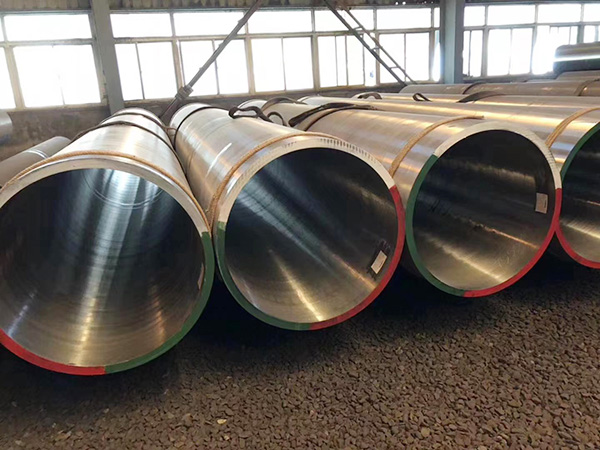
Steel pipes find application in large-diameter water mains and crossings where strength and reliability justify higher costs. Cement mortar lining prevents internal corrosion and maintains water quality. For buried installations, cathodic protection systems guard against external corrosion. The selection process weighs initial cost against lifecycle expenses—cheaper pipes requiring frequent repairs or replacement may prove more expensive over decades of service.
Sewage and Wastewater Conveyance Systems
Sanitary sewers and stormwater drains face distinct challenges. Hydrogen sulfide gas in sewage generates sulfuric acid through bacterial action, corroding concrete and some metals. PVC and vitrified clay pipes resist this attack, while lined steel or ductile iron pipes provide structural capacity for deep installations. Gravity flow systems require precise grade control to maintain self-cleansing velocities without causing sediment deposition or excessive erosion.
Pressurized sewage systems (force mains) demand pressure-rated pipes with corrosion-resistant interiors. Ductile iron with protective linings, HDPE, and fiberglass pipes all serve in these applications. Joint integrity is paramount—leaking force mains create environmental and public health hazards. Fusion-welded or gasketed restrained joints prevent separation under pressure surges or external loads.
Fire Protection and Emergency Systems
Municipal fire protection networks must deliver specified flow rates and pressures during emergencies. Underground fire mains, typically ductile iron or steel, loop through cities with strategically placed hydrants. These systems require reliable valves for isolation during repairs and adequate pressure maintenance through elevated storage tanks or pumping stations. Water quality preservation is essential—stagnant fire protection water can harbor Legionella bacteria, necessitating periodic flushing or treatment.
Industrial facilities within municipalities often maintain dedicated fire water systems meeting insurance and regulatory requirements. These systems may incorporate deluge systems, sprinklers, and monitor nozzles. The piping must withstand freeze protection in colder climates and corrosion from fire suppression chemicals like foams or wetting agents. Regular testing and maintenance ensure operational readiness when emergencies occur.
Trenchless Technologies and Installation Methods
Open-cut trenching remains common for new installations, but trenchless technologies reduce surface disruption. Horizontal directional drilling (HDD) installs pipes along curved paths, crossing obstacles like rivers or highways. Pipe bursting replaces existing pipes by fragmenting the old pipe while pulling in a new one. Microtunneling and pipe jacking enable installations beneath sensitive areas like railways or buildings.
These methods impose different demands on pipes. HDD pulls pipes through curved boreholes, subjecting them to combined tension and bending. Pipes for trenchless installation require validated joint strength and often incorporate external abrasion protection. While trenchless methods carry higher initial costs, they avoid expenses associated with road reconstruction, traffic disruption, and landscaping restoration.
Condition Assessment and Rehabilitation Strategies
Aging municipal pipelines require systematic assessment to prioritize rehabilitation investments. Condition assessment employs various technologies: CCTV inspection reveals internal conditions; acoustic monitoring detects leaks; electromagnetic inspection identifies wall thickness loss; and ground-penetrating radar locates buried pipes and assesses bedding conditions.
Rehabilitation options include cured-in-place pipe (CIPP) liners that form new pipes within old ones, sliplining with smaller-diameter pipes inserted into existing ones, and spiral-wound liners installed through existing manholes. These methods extend service life at fraction of replacement costs and with minimal disruption. However, they reduce hydraulic capacity and may not address structural defects in the original pipe.
Inviting global distributors to join our municipal infrastructure products distribution network. We partner with companies supplying water utilities, construction contractors, and municipal engineering firms who understand local infrastructure requirements and regulations.
References
AWWA C150/A21.50: Thickness Design of Ductile-Iron Pipe
ASTM A746-15: Standard Specification for Ductile Iron Gravity Sewer Pipe
EN 545:2010: Ductile iron pipes, fittings, accessories and their joints for water pipelines
NACE SP0106-2016: Control of External Corrosion on Underground or Submerged Metallic Piping Systems
Water Environment & Technology, April 2021: Municipal Pipeline Rehabilitation Trends
 Recommended Products
 Contact us
—— Contact:Manager
—— Tel:+86 15231788966
—— Email:info@zhantongpipe.com
—— Url:https://www.zhantongpipe.com
—— Address:Mengcun Hui Autonomous County, Cangzhou City, Hebei Province