
NewsDetails
Industrial Piping System Design Best Practices Guide
author:Zhantong time:2026-07-21 09:17:16 Click:96
Industrial piping systems represent substantial capital investments whose performance affects plant safety, reliability, and operating costs throughout their service lives. Design decisions—made once but lived with for decades—determine whether systems operate without incident or require frequent maintenance interventions. Applying established engineering practices and code requirements during design prevents problems that become increasingly expensive to address after construction and commissioning.
Material Selection Fundamentals
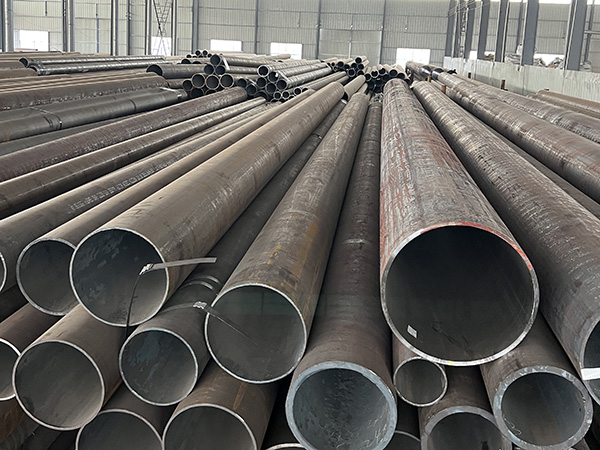
Material selection balances corrosion resistance, mechanical properties, temperature capability, and cost across all operating conditions the system will experience. Carbon steel serves general service applications at moderate temperatures, offering excellent strength and fabrication characteristics at reasonable cost. When corrosion rates become unacceptable or specific fluids require enhanced resistance, stainless steels, alloys, or non-metallic linings merit consideration despite higher material costs.
Temperature effects on material properties require particular attention—impact toughness decreases at low temperatures, while creep resistance becomes limiting at elevated temperatures. Specification of appropriate material grades for the design temperature range prevents failures from embrittlement, excessive creep, or strength reduction. The manufacturer and material heats selected must demonstrate compliance with required testing and inspection programs.
Pressure Design and Wall Thickness
Pressure design calculations determine minimum required wall thickness considering internal pressure, mechanical loads, and allowances for corrosion and manufacturing tolerances. The basic equation—derived from hoop stress theory—relates pressure, diameter, and allowable stress to required thickness. Additional thickness for mechanical strength, particularly at miters and fabricated components, supplements the basic calculation.
Series of ASTM and ASME specifications establish dimensional standards—pipe schedules define wall thicknesses for each nominal size and pressure rating. Schedule selection combines pressure design requirements with manufacturing tolerances, ensuring that finished wall thickness meets minimum requirements throughout the pipe. Branch reinforcement calculations verify that fabricated openings maintain structural integrity under internal pressure.
Pipe Routing Principles
Effective pipe routing balances functional requirements—fluid delivery, equipment connections, accessibility—with construction efficiency and future maintenance needs. Pipe racks form the skeletal framework organizing pipe runs throughout facilities, establishing consistent elevation zones for different service categories. Straight runs with minimum bends reduce pressure drop and construction cost while simplifying stress analysis.
Coordination with other disciplines—structural, electrical, instrumentation—prevents conflicts discovered during construction that require expensive rework. Clearances around flanged connections and threaded joints accommodate bolt removal for maintenance. Slope provisions for drainage and venting require consistent elevation changes that routing must incorporate from early design stages.
Flange and Fitting Specification
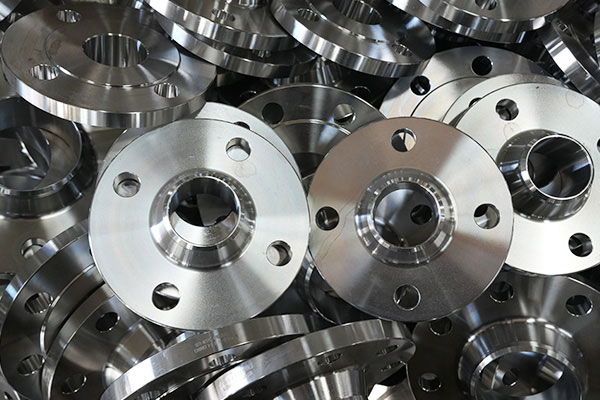
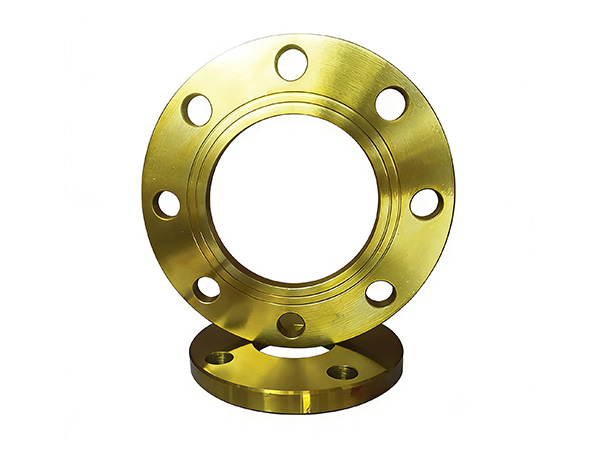
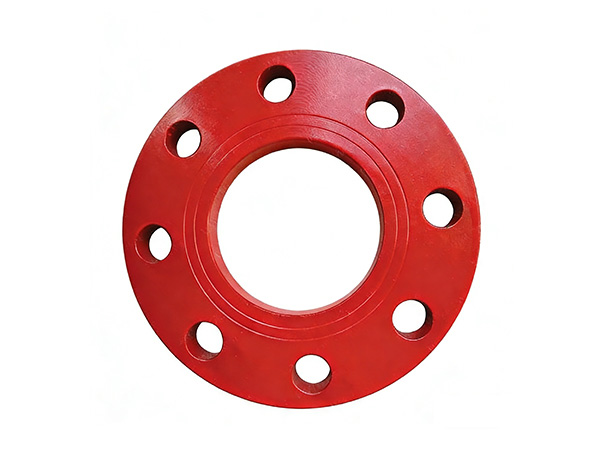
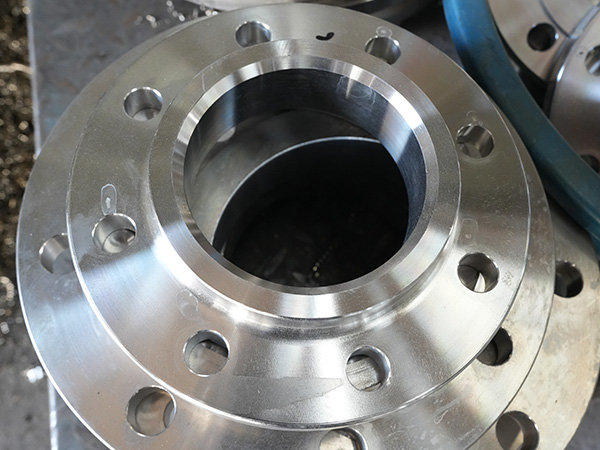
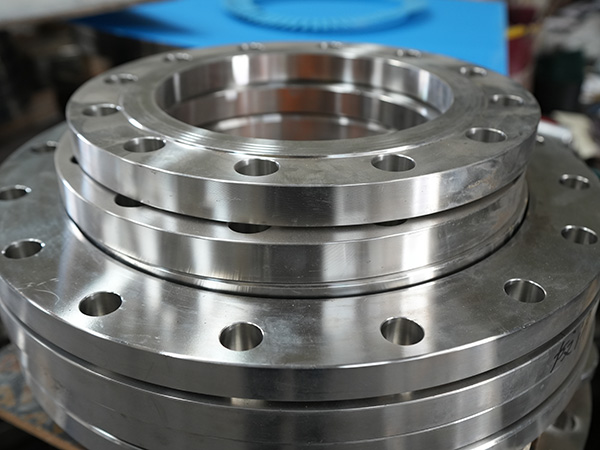
Flange selection considers pressure class, face type, material grade, and facing finish appropriate for the service conditions. Raised face flanges suit general service, while ring-type joint flanges provide enhanced sealing for high-pressure applications. Flat face flanges match fragile equipment nozzles, preventing damage from bolt loading that concentrated on the raised portion would impose.
Fitting selection—whether butt weld, socket weld, or threaded—balances leakage resistance, installation cost, and service requirements. Butt weld fittings provide smooth flow paths and reliable joints for critical services. Socket weld fittings simplify alignment but create crevices that can cause problems in certain services. Threaded fittings permit field assembly without welding but require careful assembly to avoid leakage.
Valve Selection and Sizing
Valve selection matches valve type to service requirements—isolation valves require bubble-tight shutoff, while control valves must provide stable flow regulation across wide operating ranges. Gate valves and ball valves serve isolation functions, with selection depending on pressure drop constraints, space limitations, and preferred actuator types. Globe valves and butterfly valves provide throttling capability with reasonable control characteristics.
Valve sizing calculations ensure adequate flow capacity while maintaining control stability and avoiding cavitation or flashing in liquid services. The valve coefficient (Cv) relates flow rate to pressure drop across the valve, permitting selection of valves that provide required capacity at design conditions. Characterized trim—equal percentage or linear—matches valve behavior to system requirements.
Code Compliance and Documentation
ASME B31.3, B31.1, and similar piping codes establish minimum requirements for design, materials, fabrication, examination, and testing that ensure safe operation. Compliance documentation—design basis, stress analysis reports, material requisitions, and examination procedures—demonstrates that applicable code requirements have been satisfied. Regulatory inspections verify documentation completeness before systems receive operating permits.
Engineered special components—bellows expansion joints, sway struts, or specialized supports—require vendor data packages documenting design, testing, and quality verification. Review of vendor data against project specifications identifies deviations requiring resolution before component installation. This verification prevents discovering incompatibilities after installation when changes become expensive.
Inviting global distributors to join our industrial piping components distribution network. We supply flanges, fittings, valves, and piping specialties to process plants, supporting design and maintenance requirements across diverse industries.
References
ASME B31.3: Process Piping
ASME B31.1: Power Piping
API 520: Sizing, Selection, and Installation of Pressure-Relieving Devices
API 526: Flanged Steel Pressure-Relief Valves
Chemical Engineering Progress, April 2021: Piping System Design Optimization
 Recommended Products
 Contact us
—— Contact:Manager
—— Tel:+86 15231788966
—— Email:info@zhantongpipe.com
—— Url:https://www.zhantongpipe.com
—— Address:Mengcun Hui Autonomous County, Cangzhou City, Hebei Province