
NewsDetails
Insulated Steel Pipes Underground Pipeline Solutions
author:Zhantong time:2026-06-20 19:40:50 Click:102
Underground pipeline systems transporting heated or chilled fluids face a persistent challenge: minimizing thermal energy loss while protecting against external corrosion. Insulated steel pipe systems address both concerns through integrated designs that combine structural strength, thermal efficiency, and corrosion protection. These solutions prove indispensable in district heating networks, industrial process lines, and cryogenic fluid transfer systems.
Understanding Pre-Insulated Pipe Systems
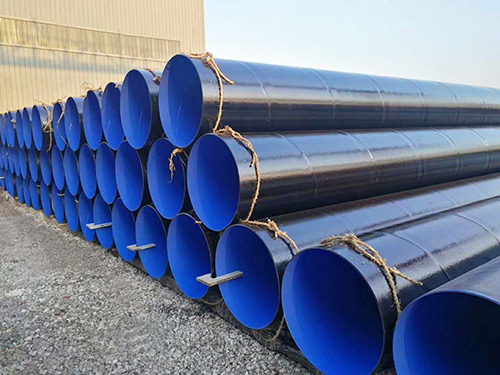
Modern pre-insulated pipe assemblies typically incorporate three concentric layers. The inner steel carrier pipe transports the fluid, designed according to relevant pressure and temperature specifications. Surrounding this carrier, a continuous layer of rigid polyurethane foam provides thermal insulation. The outermost casing—usually high-density polyethylene (HDPE) or steel—protects the insulation from mechanical damage and moisture ingress.
This factory-assembled approach offers advantages over field-applied insulation. Controlled manufacturing conditions ensure uniform foam density and adhesion, eliminating gaps or voids that compromise thermal performance. The casing application in factory settings produces reliable seals against groundwater penetration, a critical factor in maintaining long-term insulation effectiveness.
Polyurethane Foam Insulation Properties
Polyurethane foam serves as the insulation material of choice for most pre-insulated pipe systems. Its closed-cell structure minimizes thermal conductivity while maintaining structural integrity. Foam density typically ranges from 60 to 80 kg/m³, balancing insulation performance with mechanical strength. Advanced formulations incorporate fire retardants and environmental additives that comply with evolving regulations on blowing agents and emissions.
The insulation's thermal conductivity (lambda value) determines heat loss rates. Quality manufacturers conduct regular testing to verify that foam meets specified lambda values, usually around 0.025-0.030 W/(m·K). This low thermal conductivity translates to significantly reduced energy losses compared to non-insulated or conventionally insulated pipelines, particularly over long transmission distances.
Casing Pipe Options and Protection Strategies
HDPE casing dominates district heating applications due to its corrosion resistance, flexibility, and cost-effectiveness. These casings accommodate pipeline thermal expansion through corrugated designs or dedicated expansion elements. For higher temperature services or applications requiring additional mechanical protection, steel casings with external corrosion coatings provide enhanced durability.
Moisture penetration into the insulation layer represents a primary failure mechanism. Once water enters through casing damage or inadequate seals, it degrades foam insulation properties and can cause external corrosion on the carrier pipe. Advanced systems incorporate moisture barrier films between foam and casing, along with cathodic protection monitoring systems that detect water ingress before catastrophic failure occurs.
Installation Techniques and Field Considerations
Installing pre-insulated pipe systems demands specialized techniques. Joint insulation must match factory-applied performance, typically achieved through heat-shrink sleeves, polyurethane pour-in-place kits, or prefabricated insulated couplings. Each method requires trained installers and proper equipment to ensure reliable seals. Inadequate joint insulation creates thermal bridges that accelerate energy loss and potentially cause condensation problems.
Trench preparation influences system performance and longevity. Proper bedding material supports the pipe while allowing thermal movement. Adequate drainage prevents water accumulation around joints and casing damage points. Experienced contractors understand these nuances and implement installation practices that preserve design performance throughout the pipeline's service life.
Quality Assurance and Performance Verification
Manufacturing pre-insulated pipes involves multiple quality control checkpoints. Steel carrier pipes undergo standard pipe testing (hydrostatic, ultrasonic, dimensional). Foam density and adhesion tests verify insulation quality. Casing integrity checks include spark testing for holes and thickness measurements. Leading suppliers provide test certificates documenting compliance with relevant standards such as EN 253 for district heating pipes.
Inviting global distributors to join our distribution network. We partner with companies specializing in heating, insulation, and pipeline products who can provide technical support and local market knowledge to their customers.
References
EN 253:2019: District heating pipes—Preinsulated bonded pipe systems for directly buried hot water networks
ISO 21003:2011: Multilayer piping systems for hot and cold water installations inside buildings
ASTM C591-17: Standard Specification for Unfaced Preformed Rigid Cellular Polyurethane Thermal Insulation
District Energy Development Guidelines, International Energy Agency, 2020
Pipeline & Gas Journal, March 2021: Advances in Pre-Insulated Pipe Technologies
 Recommended Products
 Contact us
—— Contact:Manager
—— Tel:+86 15231788966
—— Email:info@zhantongpipe.com
—— Url:https://www.zhantongpipe.com
—— Address:Mengcun Hui Autonomous County, Cangzhou City, Hebei Province