
NewsDetails
Pipe Fittings Elbows Tees Reducing Solutions
author:Zhantong time:2026-06-22 21:46:49 Click:195
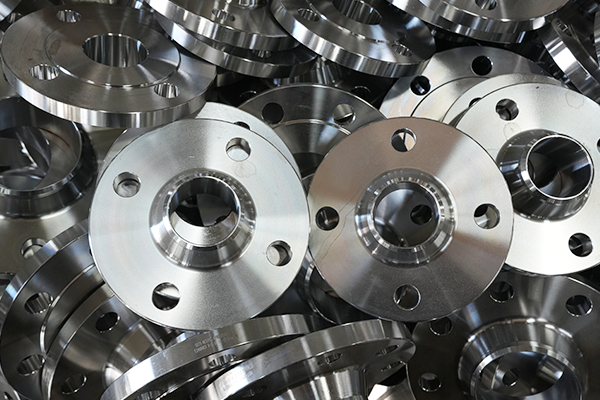
Pipe fittings enable the directional changes, branch connections, and diameter transitions essential to any piping system. These components must withstand the same pressures, temperatures, and corrosive conditions as the pipes they connect. The global industrial fittings market encompasses enormous diversity—from small instrumentation fittings to massive fabricated elbows for cross-country pipelines. Understanding fitting types, manufacturing methods, and selection criteria helps ensure system integrity and operational efficiency.
Elbow Designs and Flow Dynamics
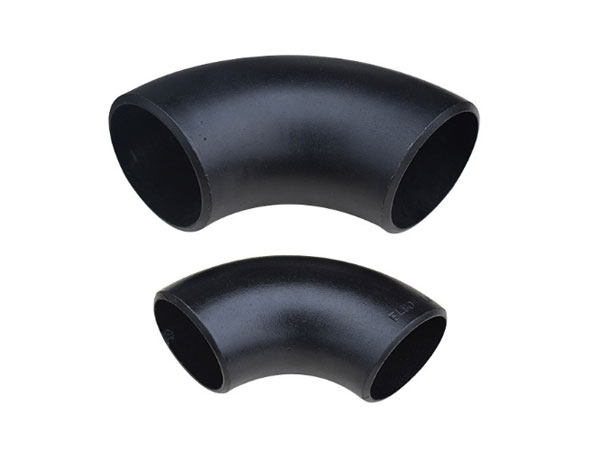
Elbows redirect flow between pipe segments, with the 90-degree configuration being most prevalent. Long-radius elbows (center-to-end dimension equals 1.5 times pipe outer diameter) reduce flow turbulence and pressure drop compared to short-radius designs. Five-dimensional and three-dimensional bends find use in pipelines where gradual direction changes minimize erosion and pumping energy consumption.
Manufacturing elbows involves several distinct processes. Hot induction bending heats pipe segments and applies controlled force to achieve the desired radius, preserving wall thickness better than some alternatives. Pressed elbows start as flat steel plates cut into petal shapes, formed and welded into curved shapes. Seamless elbows made from extruded pipe sections offer superior integrity for critical services, though at higher cost.
Tees and Branch Connection Methods
Tees create 90-degree branch connections. Equal tees maintain the same diameter in all three legs, while reducing tees feature a smaller branch outlet. Fabricated tees weld separate pieces together, whereas seamless tees use hot forging or extrusion processes that eliminate weld seams at stress-concentrated locations. For high-pressure applications, reinforced tees with extra thickness at the branch junction provide enhanced structural capacity.
Alternative branch connection methods include weldolets, sockolets, and threadolets—contour-matched fittings that weld directly to the run pipe. These designs offer several advantages over traditional tees: localized reinforcement, reduced stress concentration, and easier installation in tight spaces. The contour match ensures full penetration welds with predictable performance.
Reducers and Transition Components
Reducers transition between different pipe diameters. Concentric reducers maintain centerline alignment, suitable for vertical piping where air or solid accumulation must be avoided. Eccentric reducers offset the centerlines, allowing top-of-pipe or bottom-of-pipe alignment as needed for drainage or instrumentation connections. The transition length influences flow characteristics—gradual reductions minimize turbulence, while abrupt changes increase pressure loss.
Manufacturing reducers typically employs pressing or spinning processes. Pressed reducers start as conical sections formed from flat plates, while spun reducers begin as cylindrical shells that undergo controlled deformation. Quality reducers maintain wall thickness within specified tolerances throughout the transition, avoiding thin spots that could compromise pressure containment.
Material Compatibility and Specification Standards
Fitting materials must match or exceed pipe specifications to avoid creating weak links in the system. Carbon steel fittings dominate general service, while stainless steel, duplex alloys, and nickel alloys handle corrosive or high-temperature environments. Material traceability becomes critical in regulated industries—chemical plants, power generation facilities, and offshore platforms all require documented proof of material composition and heat treatment.
International standards govern fitting dimensions, tolerances, and testing requirements. ASME B16.9 covers factory-made wrought steel butt welding fittings, while ASME B16.11 addresses forged fittings for socket-weld and threaded connections. MSS SP-43 specifies dimensions for corrosion-resistant butt weld fittings. Compliance with these standards ensures interchangeability and predictable performance.
Quality Manufacturing and Testing Protocols
Reputable fitting manufacturers maintain comprehensive quality programs. Raw material verification includes chemical analysis and mechanical property testing. Dimensional inspections confirm compliance with standard tolerances—critical for proper fit-up during installation. Surface examinations detect cracks, laminations, or other discontinuities that could propagate in service.
Non-destructive testing methods vary by fitting type and service severity. Radiography examines weld seams in fabricated fittings. Ultrasonic testing detects internal flaws in forged or seamless fittings. Magnetic particle or liquid penetrant testing reveals surface-breaking defects. Pressure testing, though not always performed on individual fittings, verifies the manufacturer's quality system when conducted on representative samples.
Inviting global distributors to join our network of qualified industrial product distributors. We seek partners with strong technical knowledge of piping systems and established customer relationships in oil, gas, petrochemical, and power generation sectors.
References
ASME B16.9-2018: Factory-Made Wrought Buttwelding Fittings
ASME B16.11-2016: Forged Fittings, Socket-Welding and Threaded
MSS SP-43-2018: Wrought and Fabricated Butt-Welding Fittings for Low Pressure, Corrosion Resistant Applications
ASTM A234/A234M-20: Standard Specification for Piping Fittings of Wrought Carbon Steel and Alloy Steel for Moderate and High Temperature Service
Welding Journal, August 2020: Quality Considerations in Pipe Fitting Fabrication
 Recommended Products
 Contact us
—— Contact:Manager
—— Tel:+86 15231788966
—— Email:info@zhantongpipe.com
—— Url:https://www.zhantongpipe.com
—— Address:Mengcun Hui Autonomous County, Cangzhou City, Hebei Province