
NewsDetails
Pipeline Prefabrication Modular Construction Techniques Guide
author:Zhantong time:2026-07-24 09:53:16 Click:171
Pipeline prefabrication shifts construction activities from challenging field environments to controlled shop conditions where quality, productivity, and safety are more easily managed. Modular construction extends this concept further, pre-assembling complete functional units that reduce field installation to simple mechanical connections. These approaches increasingly dominate major pipeline and plant projects where schedule compression, skilled labor availability, and quality consistency drive decision-making.
Spool Fabrication and Shop Assembly
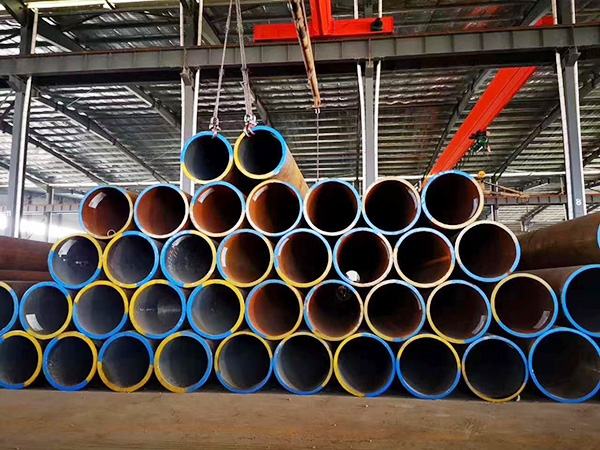
Spool prefabrication produces completed pipe assemblies—complete with fittings, valves, and supports—that ship to field locations ready for installation. Shop environments permit laying out complete spools, verifying fit-up before welding, and performing NDT examination in controlled conditions. The approach eliminates interference conflicts that might not surface until field assembly without the time and cost required to resolve them.
Fabrication shops maintain inventories of standard fittings, flanges, and valves that enable rapid assembly without waiting for materials. Computer-controlled cutting and beveling machines produce consistent preparation quality that facilitates automated or semi-automated welding. Production line layouts—with sequential workstations for fit-up, tack welding, and welding—maximize throughput while maintaining quality.
Modularization Strategy Development
Modularization begins with engineering design that considers transportation constraints and site assembly requirements. Module sizes must accommodate highway transport limits—typically 12 feet width, 13.5 feet height, and 50-60 feet length for standard permits—with larger sizes requiring special permits and route surveys. Lifting provisions must coordinate with crane capacities available at installation sites.
Structural frameworks integrate piping, electrical, and instrumentation systems into coherent units that bolt or weld together during final assembly. Connections between modules must be planned during design to enable efficient field joining while minimizing the complexity of final connections. Pipe rack modules, compressor units, and process skids represent common modularization approaches in pipeline facilities.
Quality Management in Prefabrication Shops
Shop environments enable comprehensive quality management that exceeds field capabilities. Welder qualification records remain current because shops maintain continuous welding activity. NDT technicians perform examinations under controlled lighting conditions without weather interruptions. Inspection hold points—as required by project quality plans—verify materials, dimensions, and weld quality before releasing items for shipment.
Documentation systems track fabrication progress, material traceability, and examination results throughout production. Electronic documentation links inspection records to specific spool numbers, enabling quick retrieval when questions arise during installation. Quality verification before shipping prevents costly field rework that could delay project completion.
Field Joint Coating and Protection
Field joint coating—the application of corrosion protection where prefabricated sections connect—requires careful surface preparation and controlled application conditions. Abrasive blasting to near-white metal finish removes mill coating overlap and provides surface profile for coating adhesion. Heating to specified temperatures ensures dry surfaces and proper coating cure.
Joint coating materials range from heat-shrink sleeves that wrap around the joint to liquid epoxy systems applied by brush or spray. The selection depends on coating system compatibility, application conditions, and cure time requirements. Quality verification through holiday detection confirms complete coverage without holidays or voids that would permit corrosion under the coating.
Transportation and Logistics Planning
Transporting prefabricated modules requires logistics planning that begins during design. Route surveys identify clearance limitations—bridges, overpasses, railroad crossings—that constrain module dimensions. Heavy modules require analysis of road surfaces, culvert capacities, and bridge ratings along the transport route.
Loading configurations on transport vehicles must consider weight distribution, securing methods, and protection against transport damage. Padding at contact points prevents coating damage during transit. Delivery sequencing coordinates arrival with construction progress, avoiding excessive on-site storage that could obstruct installation activities.
Integration with Field Construction
Prefabrication success depends on accurate field measurements that enable proper fit-up when modules arrive. Laser scanning and digital modeling technologies enable verifying that field dimensions match prefabricated component specifications before manufacturing commences. This upfront investment prevents expensive mismatches discovered during installation.
Field construction crews require clear assembly sequences that coordinate module placement with final connections. Lifting plans must account for module center of gravity, available crane capacity, and swing radius limitations at installation locations. Commissioning procedures should integrate with module delivery schedules to enable rapid startup after installation.
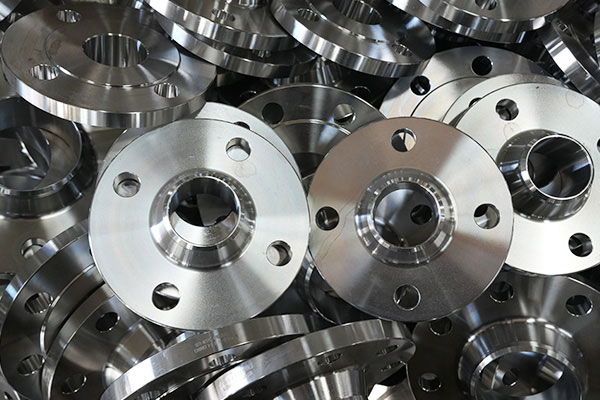
Inviting global distributors to join our prefabrication components supply network. We supply flanges, fittings, and specialty items to fabrication shops, enabling quality spool production that accelerates field construction progress.
References
ASME B31.3: Process Piping
API 1104: Welding of Pipelines and Related Facilities
AWS D10.12: Recommended Practices for Local Heating of Welds in Piping and Tubing
NACE SP0188: Discontinuity (Holiday) Testing of Protective Coatings
Construction Today, March 2021: Modular Construction Trends
 Recommended Products
 Contact us
—— Contact:Manager
—— Tel:+86 15231788966
—— Email:info@zhantongpipe.com
—— Url:https://www.zhantongpipe.com
—— Address:Mengcun Hui Autonomous County, Cangzhou City, Hebei Province