
NewsDetails
Stub Ends and Lap Joint Flanges: Applications Guide
author:Zhantong time:2026-08-15 19:10:50 Click:71
The pairing of a stub end with a lap joint flange offers a clever solution when a system needs a bolted connection but wants to save money on expensive alloy material or gain easy bolt-hole alignment. The stub end is welded to the pipe and contacts the gasket, while a loose backing flange slips over it to carry the bolts. Understanding how this two-piece arrangement works reveals why it appears so often in stainless and alloy piping.
How the Two-Piece System Works
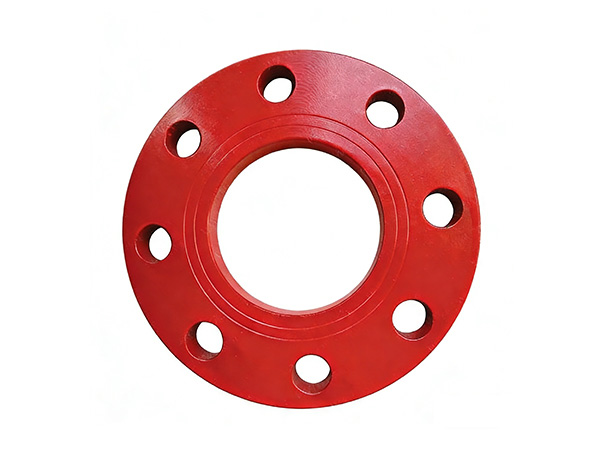
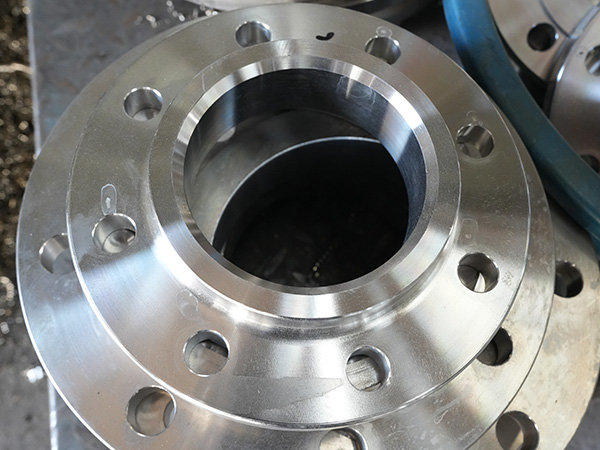
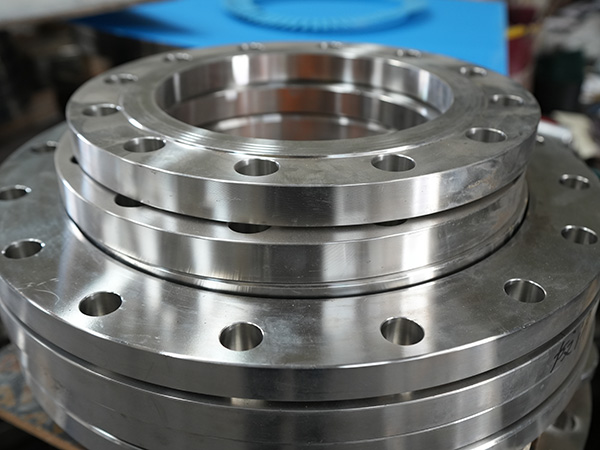
A stub end is a short fitting with a flared end that forms the sealing face and a straight end that butt-welds to the pipe. The lap joint flange, a separate ring without a raised face, sits behind the flared portion and provides the bolt circle. Because the flange only clamps the stub end and never touches the process fluid, it can be made from a cheaper material than the wetted stub end.
When the joint is bolted, the backing flange presses the flared face of the stub end against the mating gasket, sealing the connection just as a conventional flange would.
Cost Savings in Expensive Alloys
The greatest advantage appears in stainless steel and high-alloy systems. Only the stub end, which contacts the fluid, needs to be made from the costly corrosion-resistant grade. The backing flange, isolated from the process, can be plain carbon steel. On a large project with many connections in expensive material, using cheaper backing flanges delivers meaningful savings without compromising the wetted parts.
This economy is the main reason designers reach for the stub end and lap joint combination in alloy service where every kilogram of premium metal carries a high price.
Easy Alignment and Assembly
Because the backing flange rotates freely around the stub end, bolt holes are effortless to line up with the mating flange. There is no need to rotate the whole pipe to match bolt patterns, which simplifies assembly in tight spaces and where several flanges must align at once. This freedom is a genuine convenience during fabrication and field erection.
Systems that are dismantled frequently for cleaning also benefit, since the loose flange makes breaking and remaking the joint quick and predictable.
Where This Pairing Fits Best
Stub ends and lap joint flanges suit food, pharmaceutical, and chemical systems built in stainless steel, as well as any service where frequent disassembly is expected. They are less common in the very highest pressure classes, where a full weld neck flange transfers stress more gracefully, but within moderate pressure ranges the two-piece system performs reliably.
Water treatment, corrosive process lines, and utility systems in alloy material all take advantage of this cost-effective, alignment-friendly approach.
Standards and Manufacture
Stub ends follow ASME B16.9 for dimensions, produced in short and long pattern versions to match different flange types. Lap joint flanges are covered by ASME B16.5. Material specifications include ASTM A403 for stainless stub ends and A105 for carbon steel backing flanges. Wall thickness of the stub end matches the connected pipe so the butt weld joins equal sections.
A capable manufacturer forms the flared face accurately so it seats evenly against the gasket, and supplies both stub ends and companion flanges with traceable documentation. Sourcing the pair from one supply partner keeps dimensions compatible and quality consistent.
A Smart Connection Choice
The stub end and lap joint flange system rewards the designer who wants alloy performance on the wetted surface without paying for alloy flanges. Combined with easy alignment and simple disassembly, it is a practical choice for a wide band of process and utility applications.
Short Pattern and Long Pattern Types
Stub ends come in more than one pattern, and matching the pattern to the backing flange matters. Short pattern stub ends, sometimes called Type B, suit lap joint flanges and keep the assembly compact. Long pattern stub ends extend the straight length, which can help where extra pipe is needed for the weld or where the flange must sit farther from the flared face. Confirming the pattern against the flange dimensions prevents mismatches during assembly.
The flared face also comes with different radii and finishes to seat various gasket types. A generous, smoothly machined flare distributes gasket load evenly and resists distortion under bolting. Because the stub end is the only part touching the fluid, its material and finish carry the full responsibility for corrosion resistance and sealing, making quality in this small fitting especially important. Sourcing matched stub ends and flanges from one manufacturer ensures the pattern, radius, and dimensions all agree, giving a joint that seals cleanly the first time and every time it is remade.
Our factory produces stub ends and lap joint flanges in matched sets across many grades, and we are inviting global distributors to join our supply network to serve more markets with reliable, well-documented fittings.
References
ASME B16.9: Factory-Made Wrought Buttwelding Fittings
ASME B16.5: Pipe Flanges and Flanged Fittings, NPS 1/2 Through NPS 24
ASTM A403/A403M: Standard Specification for Wrought Austenitic Stainless Steel Piping Fittings
ASTM A105/A105M: Standard Specification for Carbon Steel Forgings for Piping Applications
ASME B31.3: Process Piping
 Recommended Products
 Contact us
—— Contact:Manager
—— Tel:+86 15231788966
—— Email:info@zhantongpipe.com
—— Url:https://www.zhantongpipe.com
—— Address:Mengcun Hui Autonomous County, Cangzhou City, Hebei Province