
NewsDetails
Corrosion Resistance and Strength: Why High-Pressure Alloy Tubes Stand Out
author:Zhantong time:2026-05-07 12:17:12 Click:161
In harsh industrial settings, material failure is seldom attributed to a single factor. Instead, it is usually the combined impact of mechanical stress and chemical corrosion that results in system breakdowns. This is exactly where high-pressure alloy tubes showcase their irreplaceable value. Designed to provide both exceptional mechanical strength and superior corrosion resistance, these tubes have become essential in industries where reliability, safety, and extended service life are non-negotiable requirements.
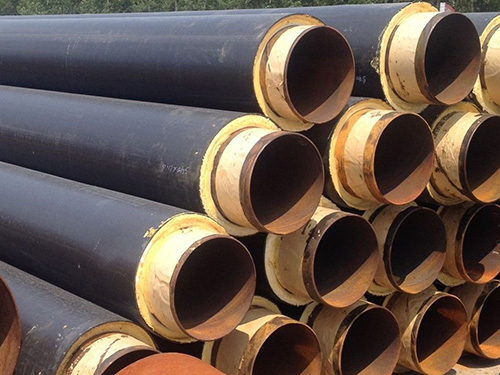

1. The Dual Challenge: Pressure and Corrosion
Industrial systems in the oil & gas, chemical processing, and power generation sectors often operate under extremely high internal pressures while simultaneously handling aggressive media such as acids, chlorides, and high-temperature gases. Conventional materials frequently fail when subjected to these combined stress factors. High-pressure alloy tubes are specifically engineered to tackle this dual challenge. By integrating advanced metallurgical technology with precision manufacturing processes, these tubes maintain their structural integrity even when exposed to both high pressure and corrosive environments. This dual resistance capability distinguishes them from traditional carbon steel or low-grade stainless steel tubing.
2. Material Engineering for Enhanced Corrosion Resistance
One of the key advantages of high-pressure alloy tube materials lies in their carefully formulated chemical composition. Elements like chromium, nickel, molybdenum, and nitrogen are added to boost corrosion resistance and overall performance.
Chromium forms a passive oxide layer on the surface, which protects the material against oxidation.
Nickel enhances resistance to acidic environments and improves the material’s toughness.
Molybdenum increases resistance to pitting and crevice corrosion, particularly in environments rich in chlorides.
For instance, 316L stainless steel provides excellent general corrosion resistance, while duplex and super duplex alloys offer enhanced protection in marine and offshore applications. Nickel-based alloys such as Inconel and Hastelloy further extend this performance to highly aggressive chemical environments. This metallurgical optimization ensures that the properties of high-pressure alloy tubes are perfectly suited to the harshest industrial conditions.
3. Strength to Withstand Extreme Pressure Conditions
While corrosion resistance is vital, mechanical strength is equally crucial. A high-pressure alloy tube must be able to endure internal pressures that can exceed tens of thousands of PSI without undergoing deformation or rupture. Key strength-related properties include:
High tensile strength to resist bursting under internal pressure
Yield strength to prevent permanent deformation
Fatigue resistance to withstand cyclic pressure conditions
Creep resistance to maintain stability at elevated temperatures
Advanced alloy formulations and seamless manufacturing processes ensure a uniform grain structure, which directly contributes to higher strength and durability. This makes these tubes ideal for applications such as hydraulic systems, subsea pipelines, and high-pressure reactors.
4. Seamless Manufacturing Boosts Reliability
The manufacturing process plays a pivotal role in achieving both corrosion resistance and mechanical strength. Most high-pressure alloy tube products are produced using seamless techniques, such as cold drawing or cold rolling. This approach eliminates weld seams, which are typically the weakest points in a tube and more prone to corrosion and cracking. The resulting benefits include:
Enhanced pressure containment capability
Greater resistance to stress corrosion cracking
More consistent mechanical properties throughout the tube
In addition, heat treatment processes further refine the material’s microstructure, improving both toughness and resistance to environmental degradation.
5. Resistance to Specialized Corrosion Mechanisms
In industrial environments, corrosion is not always uniform. Localized forms of corrosion, such as pitting, crevice corrosion, and stress corrosion cracking, can lead to sudden and catastrophic failure. High-pressure alloy tubes benefit from materials specifically designed to resist these specialized corrosion mechanisms:
Resistance to pitting corrosion in chloride-rich environments
Resistance to stress corrosion cracking in high-stress, chemically active systems
Resistance to oxidation at elevated temperatures
Duplex stainless steels and nickel alloys are particularly effective in preventing these localized corrosion forms, making them ideal for use in offshore platforms and chemical reactors.
6. Long-Term Durability and Lifecycle Cost Benefits
One of the most practical advantages of using high-pressure alloy tube systems is their extended service life. Although the initial material cost may be higher than that of standard alternatives, the long-term savings are substantial. Key benefits include:
Reduced frequency of maintenance and replacement
Lower risk of unexpected system failure
Minimized downtime in critical operations
Improved overall system efficiency
In industries where downtime can cost thousands or even millions of dollars per hour, investing in durable, corrosion-resistant tubing is a strategic decision rather than an unnecessary expense.
7. Applications Where Performance Is Critical
The combined strength and corrosion resistance of high-pressure alloy tube technology make it essential in the following sectors:
Oil and gas exploration: Handling high pressure and sour gas environments
Chemical processing plants: Managing aggressive acids and solvents
Power generation systems: Operating under high temperature and pressure conditions
Hydrogen energy systems: Preventing hydrogen embrittlement and leakage
In each of these industries, failure is not an option, and material performance directly influences operational safety and efficiency.
8. E-E-A-T Perspective: Building Engineering Trust and Expertise
From an engineering and procurement standpoint, selecting the right high-pressure alloy tube requires expertise in material science, application conditions, and industry standards. Reputable manufacturers invest in:
Advanced metallurgical research and development
Strict quality control and comprehensive testing protocols
Compliance with international standards such as ASTM, ASME, and NACE
This commitment ensures that products meet the highest standards of Experience, Expertise, Authoritativeness, and Trustworthiness (E-E-A-T). For buyers and engineers, this translates into confidence in product performance and long-term reliability.
Conclusion
The standout advantage of high-pressure alloy tubes lies in their unique ability to combine two critical properties: exceptional mechanical strength and superior corrosion resistance. Through advanced material engineering, seamless manufacturing, and strict quality standards, these tubes deliver unparalleled performance in the most demanding industrial environments. As industries continue to operate under increasingly harsh conditions, the importance of reliable, high-performance materials will only grow. High-pressure alloy tubes are not merely components—they are essential safeguards for modern industrial systems, ensuring safety, efficiency, and long-term operational stability.
References
GB/T 7714:Progress on High Pressure Pneumatic Forming and Warm Hydroforming of Titanium and Magnesium Alloy Tubular Components. Materials Science Forum
MLA:Standard Specification for Seamless Ferritic and Austenitic Alloy-Steel Boiler, Superheater, and Heat-Exchanger Tubes
APA:Quality Assurance and Non-Destructive Testing of High-Pressure Alloy Tubes for Aerospace and Chemical Applications. Aerospace Science and Technology
 Recommended Products
 Contact us
—— Contact:Manager
—— Tel:+86 15231788966
—— Email:info@zhantongpipe.com
—— Url:https://www.zhantongpipe.com
—— Address:Mengcun Hui Autonomous County, Cangzhou City, Hebei Province