
NewsDetails
Flange Manufacturer Guide: Understanding Carbon Steel vs Stainless Steel Options
author:Zhantong time:2025-12-31 14:45:53 Click:169
Choosing the Right Flange Starts with the Right Manufacturer
Selecting the correct flange material is a critical decision in piping and mechanical systems. Whether used in oil and gas pipelines, chemical processing plants, power generation facilities, or industrial infrastructure, flanges must provide reliable sealing, structural strength, and long-term durability. For buyers sourcing from a flange manufacturer with stable production capacity and bulk supply capability, understanding the differences between carbon steel and stainless steel flanges is essential.
This guide explores the performance characteristics, application scenarios, and manufacturing considerations of carbon steel versus stainless steel flanges, helping engineers and procurement teams make informed decisions for industrial projects.
What Is a Flange and Why Material Selection Matters
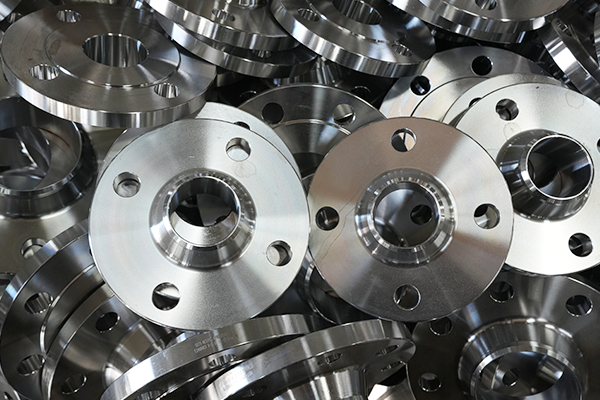
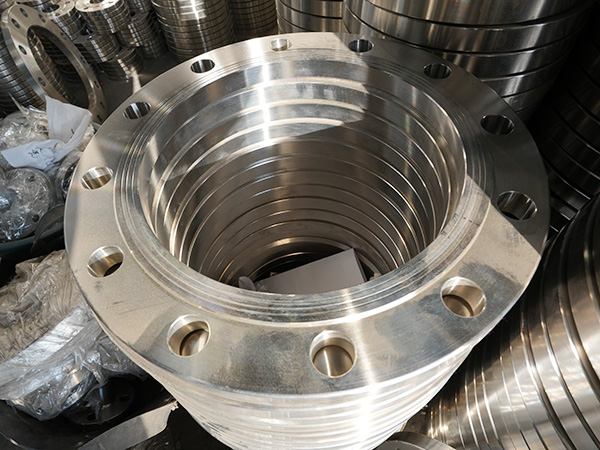
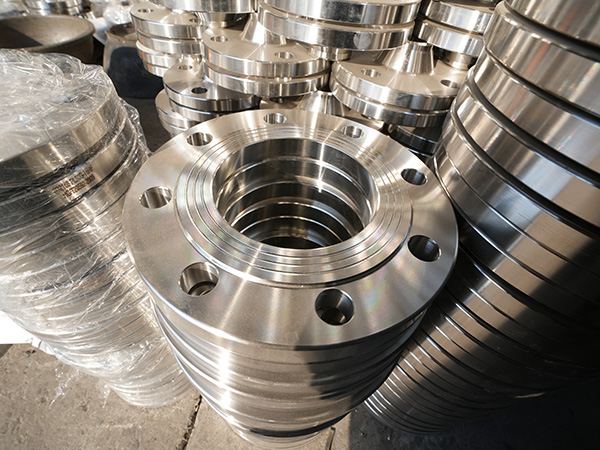
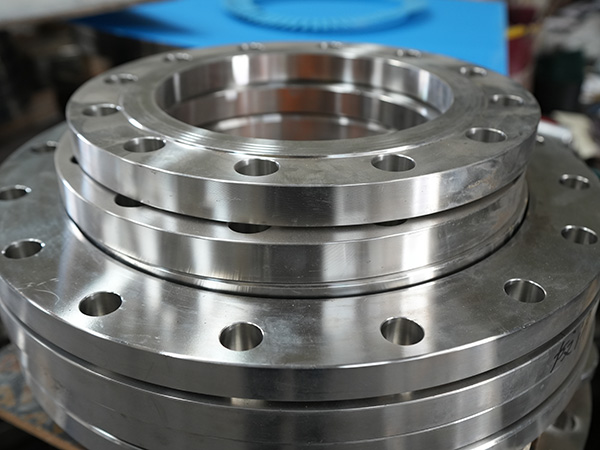
A flange is a mechanical component used to connect pipes, valves, pumps, and other equipment, forming a complete piping system. While flange design standards are largely universal, material selection directly affects:
·Mechanical strength
·Corrosion resistance
·Temperature tolerance
·Lifecycle cost
From a manufacturer’s production perspective, material choice also influences forging processes, heat treatment requirements, and quality control methods—factors that impact consistency in large-volume orders.
Carbon Steel Flanges: Strength and Cost Efficiency
Key Characteristics of Carbon Steel Flanges
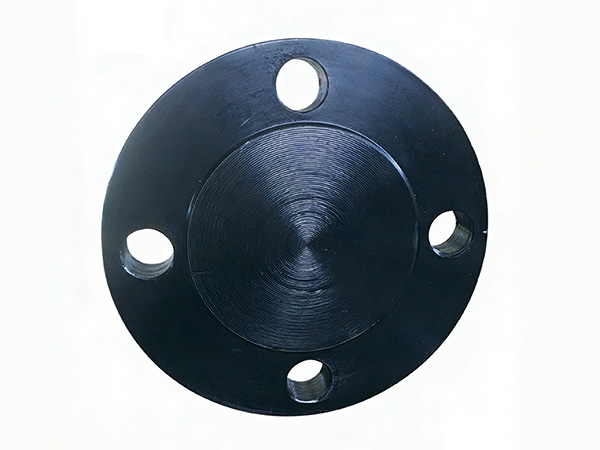
Carbon steel flanges are widely used due to their excellent mechanical strength and cost-effectiveness. They are typically produced using forged carbon steel grades that offer high load-bearing capacity and good resistance to pressure.
Key advantages include:
·High tensile and yield strength
·Excellent performance under high pressure
·Lower material cost compared to stainless steel
·Efficient mass production suitability
For projects requiring large quantities, bulk production of carbon steel flanges allows manufacturers to maintain tight dimensional tolerances while keeping costs under control.
Common Applications of Carbon Steel Flanges
Carbon steel flanges are commonly found in:
·Oil and gas transmission pipelines
·Power plants
·Industrial water systems
·Structural piping networks
However, they require surface protection such as coatings or galvanization when exposed to corrosive environments.
Stainless Steel Flanges: Corrosion Resistance and Longevity
Key Characteristics of Stainless Steel Flanges
Stainless steel flanges are valued for their superior corrosion resistance and long service life. Alloying elements such as chromium and nickel form a protective oxide layer, making stainless steel suitable for harsh environments.
Main benefits include:
·Excellent corrosion and oxidation resistance
·Good performance at high and low temperatures
·Reduced maintenance requirements
·Clean surface finish for hygienic applications
From a flange manufacturer’s production standpoint, stainless steel flanges require stricter process control but deliver higher long-term value in demanding environments.
Typical Applications of Stainless Steel Flanges
Stainless steel flanges are widely used in:
·Chemical and petrochemical plants
·Food and beverage processing systems
·Pharmaceutical production lines
·Marine and offshore installations
In these industries, reliability and cleanliness often outweigh initial material costs.
Carbon Steel vs Stainless Steel: Key Differences Explained
Mechanical Performance
Carbon steel generally offers higher strength for pressure-heavy systems, while stainless steel provides balanced strength with enhanced corrosion resistance. The choice depends on operating pressure and environmental exposure.
Corrosion Resistance
Stainless steel flanges outperform carbon steel in corrosive environments without additional coatings. Carbon steel, while strong, requires protective treatments to prevent rust and degradation.
Cost and Lifecycle Value
Carbon steel flanges have lower upfront costs and are ideal for large-scale infrastructure projects. Stainless steel flanges offer higher initial costs but reduce long-term maintenance expenses.
Manufacturing Considerations from a Flange Manufacturer Perspective
For a professional flange manufacturer with integrated production lines, both materials require distinct manufacturing approaches:
·Carbon steel flanges allow faster forging cycles and higher-volume output
·Stainless steel flanges demand precise temperature control and finishing processes
Manufacturers capable of large-scale production and bulk supply ensure consistent material quality, standardized testing, and reliable delivery schedules—key advantages for industrial buyers.
How to Choose the Right Flange Material for Your Project
When deciding between carbon steel and stainless steel flanges, consider the following factors:
·Operating pressure and temperature
·Environmental exposure and corrosion risk
·Budget and lifecycle cost expectations
·Regulatory and industry standards
·Availability from a reliable flange manufacturer
Working directly with a manufacturer that understands both materials and offers flexible production capacity can significantly reduce procurement risk.
Quality Control and Bulk Production Reliability
For large projects, quality consistency is as important as material selection. A flange manufacturer with stable production output and bulk supply capability typically implements:
·Material traceability systems
·Dimensional inspection at multiple stages
·Pressure and mechanical testing
·Compliance with international standards
These measures ensure that every flange performs as expected, even across high-volume orders.
Conclusion: Partnering with the Right Flange Manufacturer Matters
Understanding the differences between carbon steel and stainless steel flanges is essential for selecting the right solution for industrial piping systems. Carbon steel flanges offer strength and cost efficiency, while stainless steel flanges deliver superior corrosion resistance and longevity.
By sourcing from a professional flange manufacturer with advanced production capabilities and bulk manufacturing capacity, buyers can ensure consistent quality, reliable performance, and on-time delivery. Whether your priority is strength, durability, or long-term value, choosing the right material—and the right manufacturing partner—lays the foundation for project success.
References
GB/T 7714:Link R E. An introduction to the design and behavior of bolted joints[J]. Journal of Testing and Evaluation, 1991, 19(5): 417-418.
MLA:Link, R. E. "An introduction to the design and behavior of bolted joints." Journal of Testing and Evaluation 19.5 (1991): 417-418.
APA:Link, R. E. (1991). An introduction to the design and behavior of bolted joints. Journal of Testing and Evaluation, 19(5), 417-418.
 Recommended Products
 Contact us
—— Contact:Manager
—— Tel:+86 15231788966
—— Email:info@zhantongpipe.com
—— Url:https://www.zhantongpipe.com
—— Address:Mengcun Hui Autonomous County, Cangzhou City, Hebei Province