
NewsDetails
Flange Types and Applications in Pipeline Systems - Zhantong Pipeline
author:Zhantong time:2026-05-27 18:13:38 Click:65
Flange Types and Applications in Pipeline Systems
Introduction to Pipeline Flanges
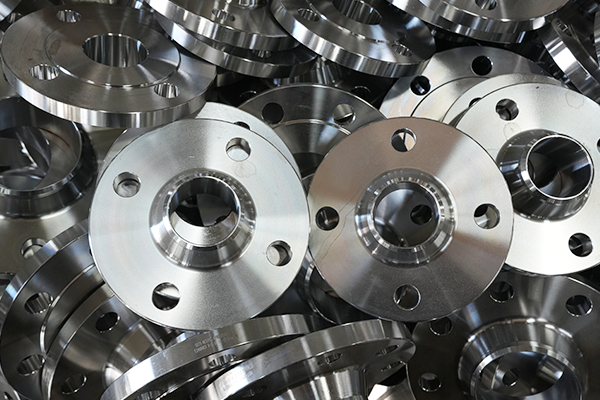
Flanges are fundamental components in pipeline systems, serving as critical connection points between pipes, valves, pumps, and other equipment. These mechanical devices provide a reliable method for assembling and disassembling piping systems, facilitating maintenance, inspection, and modification operations. Hebei Zhantong Pipeline Equipment Manufacturing Co., Ltd., established in 2018, has emerged as a leading manufacturer and supplier of high-quality flanges designed to meet the demanding requirements of various industrial applications.
The primary function of a flange is to create a seal between two connecting surfaces, typically using a gasket and bolts to ensure a leak-proof connection. Flanges are designed to withstand significant internal pressures, temperature variations, and mechanical stresses encountered in industrial environments. The selection of appropriate flange types and materials is crucial for ensuring the safety, efficiency, and longevity of pipeline systems.

Common Flange Face Types
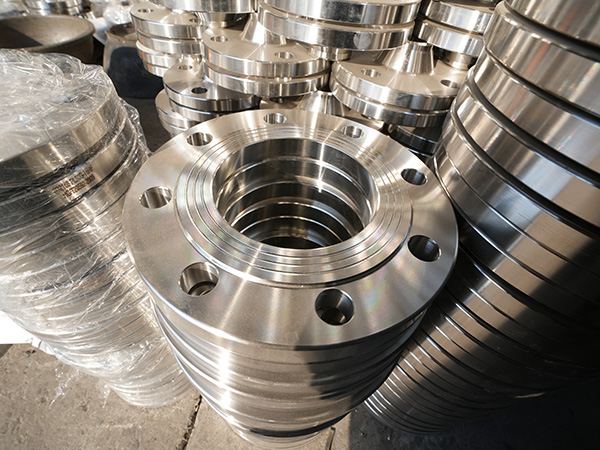
Flange face types refer to the mating surface configuration that contacts the gasket to create the seal. Understanding these face types is essential for proper flange selection and system design. The raised face (RF) flange is the most commonly used type, featuring a raised sealing surface that concentrates the gasket compression. This design provides excellent sealing performance and is widely employed in general industrial applications.
Ring-type joint (RTJ) flanges utilize a metal ring gasket that fits into a specially machined groove on the flange face. This configuration is particularly suitable for high-pressure and high-temperature applications, commonly found in oil and gas exploration and refining operations. The metal-to-metal seal created by RTJ flanges offers superior reliability under extreme conditions compared to other face types.
Flat face (FF) flanges have a completely flat sealing surface that extends to the full diameter of the flange. These are typically used in low-pressure applications or where complete contact between mating surfaces is required. Tongue and groove flanges feature matching male and female surfaces that provide precise alignment and enhanced sealing capabilities, making them suitable for applications where leakage prevention is paramount.
Flange Classifications by Design
Weld neck flanges are characterized by a long tapered hub that transitions smoothly to the pipe wall. This design provides excellent structural integrity and is particularly suitable for high-pressure and high-temperature applications. The gradual transition from flange thickness to pipe wall minimizes stress concentration, making weld neck flanges the preferred choice for critical pipeline systems.
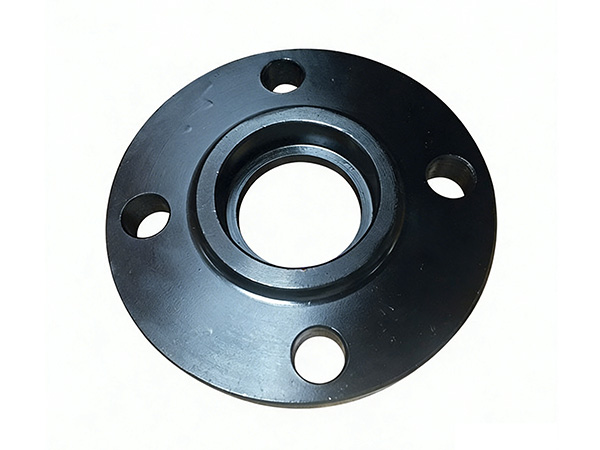
Slip-on flanges slide over the pipe and are welded both inside and outside to provide adequate strength and prevent leakage. These flanges are easier to align compared to weld neck flanges and are commonly used in low-pressure applications. While slip-on flanges offer installation convenience, they are not recommended for applications involving significant thermal cycling or mechanical vibration.
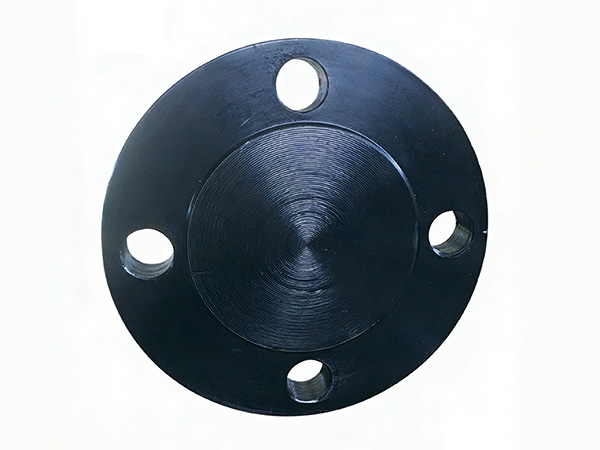
Blind flanges are used to seal the end of a piping system or vessel opening. These solid circular plates with bolt holes are essential for isolating sections of piping systems, facilitating maintenance operations, or providing future connection points. Blind flanges must withstand the full system pressure and are designed accordingly.
Material Selection for Flanges
The choice of flange material depends on factors including operating temperature, pressure, corrosiveness of the fluid being transported, and environmental conditions. Carbon steel flanges are widely used due to their excellent mechanical properties, cost-effectiveness, and suitability for a broad range of applications. These flanges perform well in non-corrosive environments and can be heat-treated to enhance their mechanical properties.
Stainless steel flanges offer superior corrosion resistance compared to carbon steel variants. The chromium content in stainless steel forms a passive oxide layer that protects the underlying metal from corrosion. Different stainless steel grades, such as 304, 316, and 316L, offer varying levels of corrosion resistance and are selected based on the specific application requirements.
Alloy steel flanges incorporate elements such as chromium, molybdenum, and nickel to achieve enhanced mechanical properties and high-temperature performance. These specialized flanges are essential in industries such as petrochemical processing and power generation, where equipment operates under extreme conditions. Hebei Zhantong Pipeline Equipment Manufacturing Co., Ltd. offers a comprehensive range of flanges in various materials to meet diverse industry requirements.
Quality Assurance and Testing
Quality assurance is paramount in flange manufacturing, as these components play critical roles in system safety and performance. Reputable manufacturers implement rigorous testing protocols, including dimensional inspection, material verification, and pressure testing. Non-destructive testing methods such as ultrasonic testing, magnetic particle inspection, and radiographic examination are employed to detect potential defects that could compromise flange integrity.
Certification to international standards such as ASTM, ASME, DIN, and JIS ensures that flanges meet established quality and performance criteria. Manufacturers like Zhantong maintain quality management systems certified to ISO standards, demonstrating their commitment to consistent product quality and continuous improvement processes.
Conclusion
Understanding flange types, face configurations, and material options is essential for designing safe and efficient pipeline systems. The selection of appropriate flanges impacts system reliability, maintenance requirements, and overall operational costs. By partnering with experienced manufacturers like Hebei Zhantong Pipeline Equipment Manufacturing Co., Ltd., engineers and project managers can access high-quality flange solutions tailored to their specific application requirements.
References
1. Journal of Pressure Vessel Technology, "Flange connection integrity under combined loading conditions: A comprehensive review", 2020.
2. International Journal of Pressure Vessels and Piping, "Material selection criteria for pipeline flanges in corrosive environments", 2021.
3. Engineering Failure Analysis, "Failure analysis of bolted flange joints in process piping systems", 2019.
4. Journal of Loss Prevention in the Process Industries, "Leakage assessment and mitigation strategies for flange connections", 2022.
5. Materials & Design, "High-temperature performance of alloy steel flanges in petrochemical applications", 2021.
 Recommended Products
 Contact us
—— Contact:Manager
—— Tel:+86 15231788966
—— Email:info@zhantongpipe.com
—— Url:https://www.zhantongpipe.com
—— Address:Mengcun Hui Autonomous County, Cangzhou City, Hebei Province