
NewsDetails
Forged Welding Plate Flange: Strength, Manufacturing Process, and Industrial Applications
author:Zhantong time:2026-05-01 21:40:03 Click:98
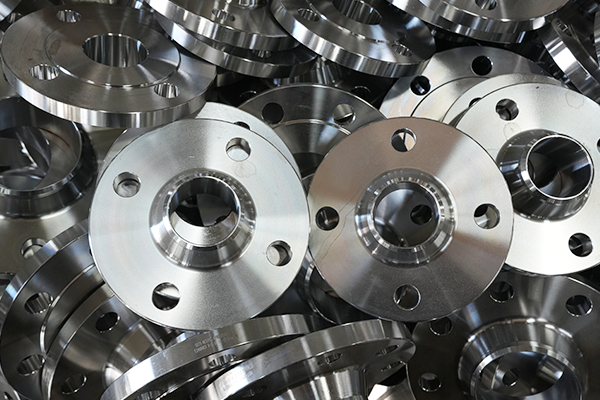
Forged welding plate flanges are widely acknowledged for their exceptional strength, durability, and reliability in harsh industrial environments. In comparison to standard plate flanges, forged flanges go through a specialized manufacturing process that enhances their mechanical properties, rendering them ideal for high-pressure and high-temperature applications. In this article, we delve into what forged welding plate flanges are, their manufacturing process, key advantages, and common industrial applications.


What Is a Forged Welding Plate Flange?
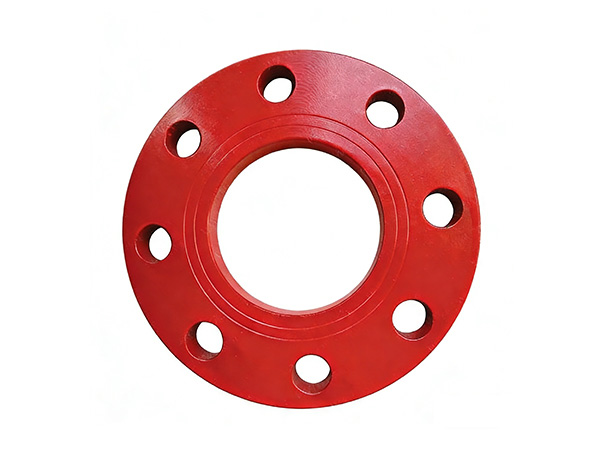
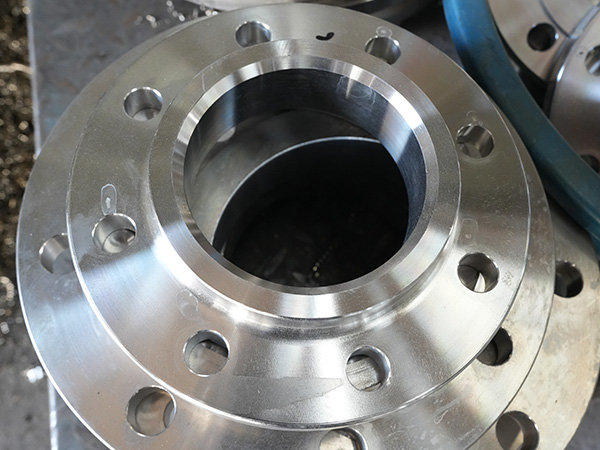
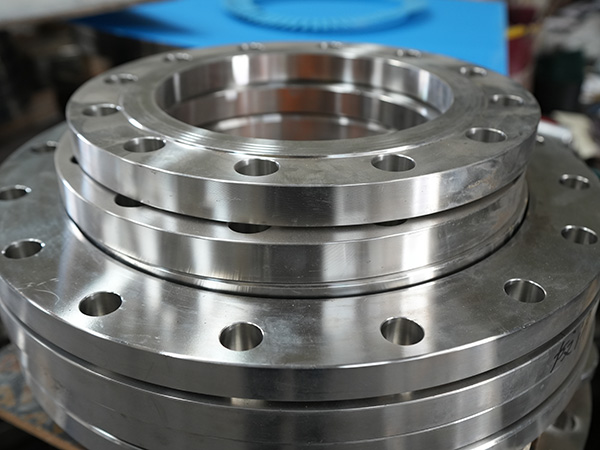
A forged welding plate flange is a type of flange produced via a forging process, where steel is shaped under high pressure to achieve enhanced structural integrity. After the forging process, the flange is machined and prepared for welding onto pipes, forming a robust and leak-proof connection. This kind of flange combines the simplicity of a plate flange design with the superior performance features of forged materials.
Forging vs. Plate Manufacturing
Understanding the differences between forged and standard plate flanges helps highlight the unique advantages of forged variants:
Plate Flanges: These are cut directly from steel plates and machined to the required size. They are cost-effective and suitable for low to medium pressure systems.
Forged Flanges: These are formed by applying compressive force to heated steel, which refines the grain structure and eliminates internal defects. This process results in higher strength and better resistance to fatigue and impact.
For this reason, forged welding plate flanges are the preferred choice in critical applications where safety and performance are non-negotiable.
Manufacturing Process
The production of forged welding plate flanges involves several key steps to ensure optimal quality and performance:
1. Raw Material Selection
High-quality steel billets are selected based on the required mechanical and chemical properties to meet the demands of specific applications.
2. Heating
The steel billets are heated to a specific temperature to make them malleable, allowing them to be shaped during the forging process.
3. Forging
Using presses or hammers, the heated steel is shaped into the desired flange form. This forging process improves grain flow and ensures structural uniformity throughout the flange.
4. Heat Treatment
Post-forging heat treatment—such as normalizing, quenching, or tempering—is carried out to enhance the flange’s strength and toughness.
5. Machining
Precision machining is performed to achieve accurate dimensions, properly positioned bolt holes, and smooth sealing surfaces.
6. Inspection and Testing
Strict quality control measures are implemented, including dimensional checks, mechanical performance testing, and non-destructive testing (NDT) to ensure the flange meets all technical requirements.
Key Advantages
Forged welding plate flanges offer a range of performance benefits that set them apart from standard plate flanges:
High Strength and Durability
The forging process optimizes the internal structure of the steel, making the flange significantly stronger than plate-cut alternatives.
Improved Fatigue Resistance
Forged flanges can withstand repeated stress cycles, minimizing the risk of failure over their operational lifespan.
Better Sealing Performance
Precision machining and a uniform material structure contribute to reliable sealing performance even under high pressure.
Resistance to Extreme Conditions
They perform exceptionally well in high-temperature, high-pressure, and corrosive environments, making them suitable for demanding applications.
Longer Service Life
Fewer internal defects and improved mechanical properties result in an extended operational lifespan, reducing maintenance and replacement costs.
Common Materials
Forged welding plate flanges can be manufactured from a variety of materials, depending on the specific needs of the application:
Carbon Steel: Suitable for general industrial applications where corrosion resistance is not a primary concern.
Stainless Steel: Ideal for environments requiring corrosion resistance, such as chemical processing or food production.
Alloy Steel: Designed for high-pressure and high-temperature systems, such as those in power plants and refineries.
Duplex Stainless Steel: Offers excellent strength and corrosion resistance, making it perfect for harsh environments like marine or offshore settings.
Industrial Applications
Thanks to their superior performance, forged welding plate flanges are widely used in critical industries:
Oil and Gas Industry
They are essential components in pipelines, refineries, and offshore platforms, where high pressure and safety are top priorities.
Petrochemical Plants
Used in systems that handle aggressive chemicals and operate at high temperatures, where reliability is crucial.
Power Generation
Applied in steam pipelines, boilers, and turbine systems, where stable and reliable connections are necessary for efficient operation.
Heavy Industry
Commonly used in mining, metallurgy, and large-scale manufacturing facilities, where durability and strength are essential.
Marine and Offshore Engineering
Utilized in seawater systems and offshore structures that are exposed to harsh, corrosive conditions.
How to Choose the Right Forged Flange
When selecting a forged welding plate flange, consider the following key factors:
Operating pressure and temperature of the system
Material compatibility with the fluid or gas being transported
Required industry standards (ANSI, ASME, DIN, JIS, etc.)
Flange size and dimensional requirements
Surface treatment and corrosion protection needs
Cooperating with a reputable manufacturer ensures that the flange meets all technical specifications and quality standards.
Conclusion
Forged welding plate flanges provide a high-performance solution for demanding industrial piping systems. Their superior strength, durability, and resistance to extreme conditions make them the preferred choice in critical applications where safety and reliability are paramount. By understanding their manufacturing process, key advantages, and suitable applications, engineers and project managers can make informed decisions, ensuring long-term system reliability and safety.
References
GB/T 7714:Steel Pipe Flanges and Flanged Fittings[J]. American Society of Mechanical Engineers
MLA:Research on Material Selection and Performance Optimization of Steel Welding Plate Flanges[J]. Journal of Pipeline Engineering
APA:Application of Duplex Stainless Steel Flanges in Marine and Offshore Piping Systems[C]. International Conference on Piping Systems and Equipment
 Recommended Products
 Contact us
—— Contact:Manager
—— Tel:+86 15231788966
—— Email:info@zhantongpipe.com
—— Url:https://www.zhantongpipe.com
—— Address:Mengcun Hui Autonomous County, Cangzhou City, Hebei Province