
NewsDetails
How to Choose the Right High-Pressure Alloy Tube for Your Project
author:Zhantong time:2026-04-25 18:04:45 Click:96
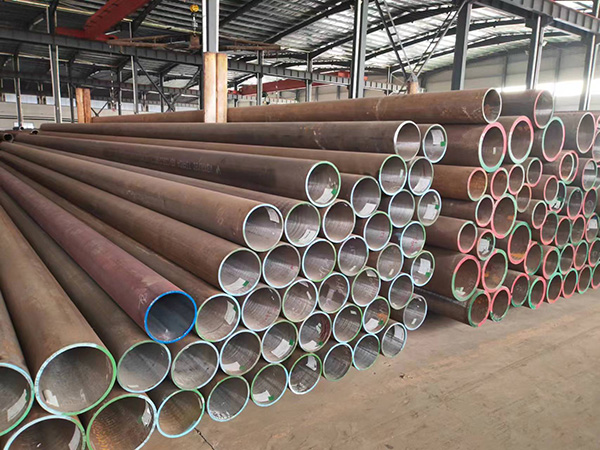
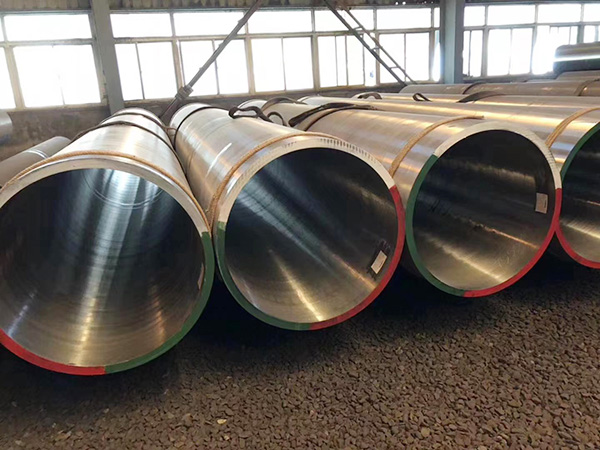
High-pressure alloy tubes are extensively employed in sectors such as petrochemicals, power generation, aerospace, hydraulic systems, and heavy machinery. Given that these applications involve extreme pressure, high temperatures, and in some cases corrosive environments, choosing the appropriate tube is vital for ensuring safety, operational efficiency, and long-term service performance. This guide will assist you in understanding the essential factors to take into account when selecting a high-pressure alloy tube for your specific project.
1. Clarify Your Operating Conditions
Before selecting any material, it is crucial to clearly define the operating environment of your system. Key considerations include:
Working pressure (low, medium, or ultra-high pressure levels)
Operating temperature range
Type of fluid or gas being transported
Corrosive environment (e.g., acidic, alkaline, seawater, or other corrosive media)
For instance, offshore oil and gas systems demand strong corrosion resistance, while power plants often place top priority on high-temperature stability.
2. Select the Appropriate Alloy Material
The performance of a high-pressure alloy tube is largely determined by its material composition. Common material options are as follows:
Stainless steel alloys (304, 316, 316L): Boasting good corrosion resistance, they are widely used in the chemical and food processing industries.
Chrome-molybdenum steel (Cr-Mo alloys): Offering excellent strength under high temperatures and pressures, they are ideal for boilers and power generation facilities.
Nickel-based alloys (Inconel, Hastelloy, etc.): Delivering superior resistance to extreme heat and highly corrosive environments.
Carbon steel alloys: Cost-effective and suitable for less harsh environments when properly treated.
Selecting the right alloy ensures the tube’s durability and helps reduce long-term maintenance costs.
3. Verify Pressure Rating and Wall Thickness
High-pressure systems require strict adherence to precise engineering standards. Key factors to check include:
Pressure rating (measured in PSI or MPa)
Wall thickness (either standard schedule or custom specifications)
Safety factor requirements
Typically, thicker walls provide greater pressure resistance, but they may also increase the tube’s weight and overall cost. It is always necessary to balance performance with the specific requirements of your project.
4. Take Temperature Resistance into Account
Not all alloy tubes perform equally well under high-temperature conditions.
Stainless steel can effectively handle moderate heat levels.
Cr-Mo alloys perform more reliably under sustained high temperatures.
Nickel-based alloys are the optimal choice for applications involving extreme heat.
Ensure that the selected tube maintains its strength and stability under the maximum operating temperature of your system.
5. Assess Corrosion Resistance
Corrosion is one of the most significant threats to the integrity of high-pressure systems. Ask yourself the following questions:
Will the tube be exposed to seawater or chemical substances?
Is the internal fluid corrosive?
Will the tube be exposed to harsh external environmental conditions?
If the risk of corrosion is high, prioritize materials such as 316L stainless steel or nickel-based alloys.
6. Ensure Compliance with Industry Standards
Always confirm that the tube meets international or project-specific standards, including:
ASTM (American Society for Testing and Materials)
ASME (American Society of Mechanical Engineers)
ISO quality standards
API standards (for oil and gas applications)
Certified products guarantee safety, reliability, and compliance with relevant regulations.
7. Evaluate Manufacturing Quality
Even the highest-quality material can fail if the manufacturing process is substandard. When selecting a tube, look for the following:
Seamless tube construction, which provides higher strength
Uniform wall thickness throughout the tube
Non-destructive testing (NDT) reports
Proper heat treatment processes
High-quality surface finishing
A reliable supplier should provide comprehensive quality inspection reports.
8. Consider Customization Needs
Some projects require non-standard specifications, such as:
Custom diameter and length
Special coatings or surface treatments
Enhanced corrosion or wear resistance
Specific pressure ratings
Collaborating with a manufacturer that offers customization services ensures better integration of the tube into your system and optimal performance.
9. Balance Cost and Long-Term Value
While budget is an important consideration, the cheapest option is not always the most cost-effective in the long run. A high-quality alloy tube may have a higher initial cost but offers the following benefits:
Longer service life
Reduced maintenance frequency
Lower risk of downtime
Improved safety performance
Always evaluate the total lifecycle cost of the tube, not just its purchase price.
Conclusion
Selecting the right high-pressure alloy tube requires careful consideration of material type, pressure rating, temperature resistance, corrosion conditions, and industry standards. By analyzing your project’s specific requirements and collaborating with a qualified manufacturer, you can ensure safe operation, a long service life, and optimal performance of your system.
References
GB/T 7714:Key Selection Criteria for High-Pressure Alloy Tubes in Petrochemical and Power Generation Industries. Journal of Materials Science and Engineering
MLA:Pressure Rating and Wall Thickness Design of High-Pressure Alloy Tubes: Standards and Practice. IEEE Transactions on Industrial Engineering
APA:Cost-Benefit Analysis of High-Pressure Alloy Tubes: Lifecycle Value vs. Initial Investment. Industrial Economics and Management
 Recommended Products
 Contact us
—— Contact:Manager
—— Tel:+86 15231788966
—— Email:info@zhantongpipe.com
—— Url:https://www.zhantongpipe.com
—— Address:Mengcun Hui Autonomous County, Cangzhou City, Hebei Province