
NewsDetails
How to Choose the Right Steel Welding Plate Flange for Your Project
author:Zhantong time:2026-04-29 19:12:00 Click:197
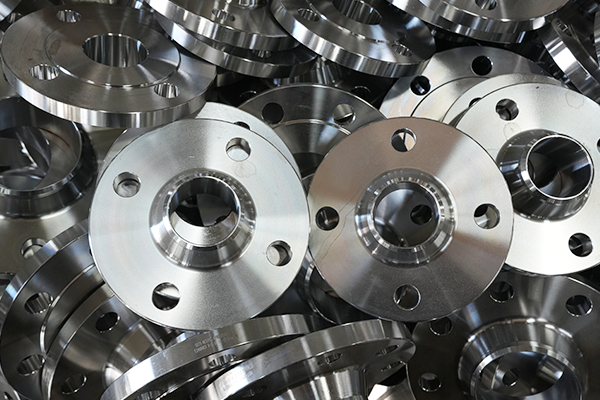
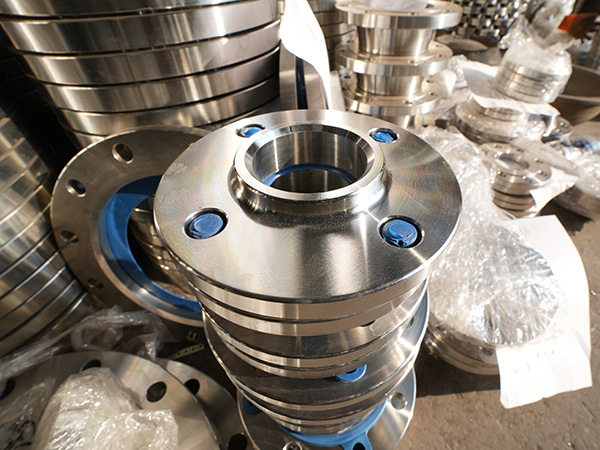
Selecting the appropriate steel welding plate flange is crucial for guaranteeing the safety, efficiency, and service life of your piping system. With a broad variety of sizes, materials, and standards on the market, making an informed choice requires a clear grasp of your project’s technical requirements and operating conditions. This guide will take you through the key factors to consider when picking the most suitable steel welding plate flange for your specific application.

Understand Your Application Requirements
Before you select a flange, begin by assessing the overall application scenario:
What kind of fluid or gas will be transported through the pipeline?
Is the system exposed to corrosive substances?
What are the operating pressure and temperature levels of the system?
For instance, water supply systems usually require flanges with lower pressure ratings, while oil, gas, or chemical pipelines call for higher strength and longer durability.
Select the Appropriate Flange Type
Steel welding plate flanges are commonly available in different face types, each designed to suit specific application scenarios:
Flat Face (FF)
It is perfect for low-pressure systems such as water pipelines and HVAC systems. This type of flange ensures uniform load distribution across the entire flange surface.
Raised Face (RF)
Suitable for medium-pressure applications. The raised surface enhances sealing performance by focusing pressure on the gasket, effectively preventing leakage. Selecting the correct face type is key to avoiding leakage and ensuring the reliable sealing performance of the piping system.
Choose the Right Material
Material selection has a direct impact on the flange’s performance and service life. Common material options include:
Carbon Steel
It is a cost-effective and durable option for general industrial use, suitable for non-corrosive working environments.
Stainless Steel
Offers excellent corrosion resistance, making it ideal for applications in chemical processing, food production, and marine environments.
Alloy Steel
Specifically designed for high-temperature and high-pressure environments, such as those in power plants and refineries. When selecting materials, take into account both the environmental conditions and the nature of the media being transported.
Consider Pressure Ratings and Standards
Flanges must comply with recognized industry standards to ensure compatibility and operational safety. Common standards include:
ANSI (American National Standards Institute)
ASME (American Society of Mechanical Engineers)
DIN (German Industrial Standards)
JIS (Japanese Industrial Standards)
Each standard defines pressure classes (e.g., Class 150, 300, 600) that indicate the flange’s ability to handle pressure. Always ensure the flange’s rating matches the requirements of your piping system.
Check Size and Dimensions
Accurate sizing is essential for proper installation and optimal performance. Key dimensions to verify include:
Outer diameter
Bolt circle diameter
Number and size of bolt holes
Flange thickness
Make sure the flange matches the pipe size and connection requirements to avoid misalignment or leakage issues.
Evaluate Surface Treatment and Coating
Depending on the working environment, surface protection may be necessary to extend the flange’s service life. Common surface treatments include:
Anti-rust oil coating
Galvanization
Epoxy coating
These treatments help prevent corrosion during storage and operation, especially in outdoor or humid environments.
Consider Installation and Maintenance
Ease of installation and long-term maintenance should also be taken into account when choosing a flange. Although steel welding plate flanges are generally easy to install, you should still consider the following aspects:
Welding requirements and technical specifications
Accessibility for inspection and replacement
Availability of compatible gaskets and bolts
A well-chosen flange can reduce downtime and maintenance costs over the long term.
Work with a Reliable Manufacturer
Consistent quality is crucial for industrial components. Choosing an experienced and reputable supplier ensures the following:
Strict quality control measures during production
Compliance with international industry standards
Customization options for special project requirements
Timely delivery and professional technical support
When necessary, always request material certificates and inspection reports to ensure product quality.
Conclusion
Choosing the right steel welding plate flange involves more than just selecting a specific size or material. It requires a comprehensive understanding of your system’s operating conditions, industry standards, and long-term performance expectations. By carefully evaluating these factors, you can secure a safe, efficient, and cost-effective piping solution that is tailored to your project’s unique needs.
References
GB/T 7714:Steel Pipe Flanges and Flanged Fittings[J]. American Society of Mechanical Engineers, 2023.
MLA:European Committee for Standardization. EN 1092-1: Steel Flanges for Pipes, Valves, Fittings and Accessories
APA:Research on Material Selection and Performance Optimization of Steel Welding Plate Flanges[J]. Journal of Pipeline Engineering
 Recommended Products
 Contact us
—— Contact:Manager
—— Tel:+86 15231788966
—— Email:info@zhantongpipe.com
—— Url:https://www.zhantongpipe.com
—— Address:Mengcun Hui Autonomous County, Cangzhou City, Hebei Province