
NewsDetails
Industrial Flange Selection Guide - Zhantong Pipeline
author:Zhantong time:2026-05-29 19:21:50 Click:99
Industrial Flange Selection Guide
Introduction to Flange Selection
Selecting the appropriate flange for industrial piping applications requires consideration of multiple factors including operating pressure, temperature, fluid characteristics, and regulatory requirements. The wrong flange selection can result in leakage, premature failure, or excessive costs. Hebei Zhantong Pipeline Equipment Manufacturing Co., Ltd. provides comprehensive technical support to assist engineers in selecting optimal flange solutions for their specific applications.
This guide presents the key considerations for industrial flange selection, providing engineers and procurement professionals with a framework for making informed decisions. Understanding the interrelationships between pressure class, material grade, and service conditions enables selection of flanges that deliver reliable performance at competitive costs.
Pressure Class Determination
Flange pressure class is the primary selection parameter that defines the pressure-temperature capability of the flange. Classes such as 150, 300, 600, 900, 1500, and 2500 define increasing pressure capacities, with higher classes capable of containing greater pressures at a given temperature. The selection of pressure class must account for maximum operating pressure, maximum operating temperature, and appropriate safety margins.
Pressure-temperature ratings published in standards such as ASME B16.5 provide the allowable working pressure for each class at various temperatures. These ratings decrease as temperature increases due to reduction in material strength. Selecting the minimum class that meets application requirements optimizes cost while ensuring adequate pressure containment capability.
Consideration of potential pressure excursions and safety margins is important in class selection. Design codes may require application of safety factors or consideration of occasional loads such as water hammer. Ensuring that the selected flange class can accommodate these conditions without exceeding pressure-temperature ratings is essential for safe design.
Material Grade Selection
Flange material selection depends on the service environment, including temperature, pressure, and the nature of the conveyed fluid. Carbon steel grades such as ASTM A105 provide excellent service for general applications at moderate temperatures. These materials offer good mechanical properties, weldability, and cost-effectiveness for the majority of industrial applications.
Low-temperature services require materials that maintain toughness at reduced temperatures. ASTM A350 grades LF2 and LF3 are designed for applications down to minus 50 degrees Fahrenheit and lower, preventing brittle fracture in cryogenic or cold climate services. Material impact testing verifies adequate toughness for low-temperature operation.
Corrosive services may require stainless steel or alloy flange materials. ASTM A182 covers forged flanges in various stainless steel grades, including austenitic grades 304 and 316, duplex grades, and nickel alloys. Hebei Zhantong Pipeline Equipment Manufacturing Co., Ltd. supplies flanges in a comprehensive range of material grades to meet diverse application requirements.
Flange Type Considerations
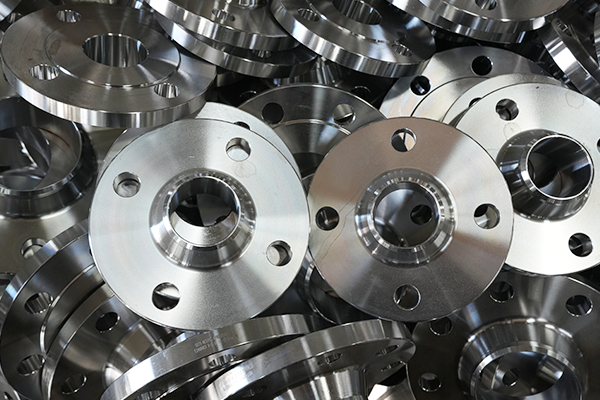
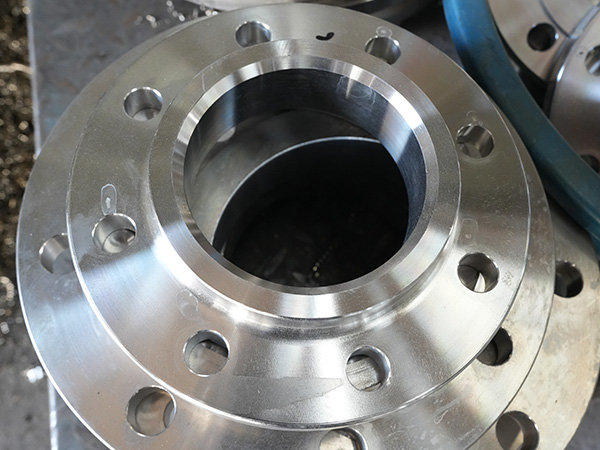
Weld neck flanges provide the strongest connection for high-pressure and high-temperature applications, as well as services involving thermal cycling. The tapered hub distributes stress from the flange to the pipe wall, minimizing stress concentration. Weld neck flanges are the preferred choice for critical applications where connection reliability is paramount.
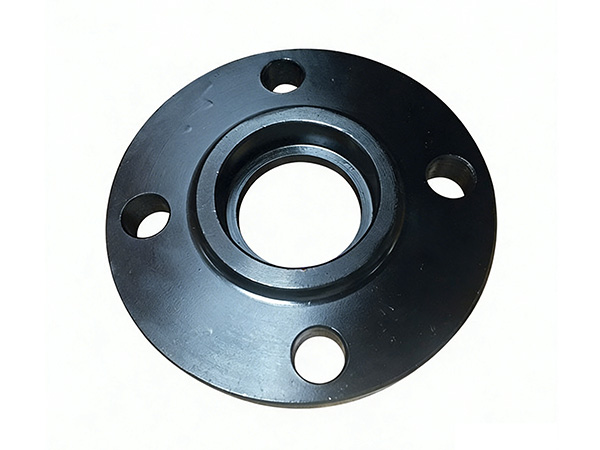
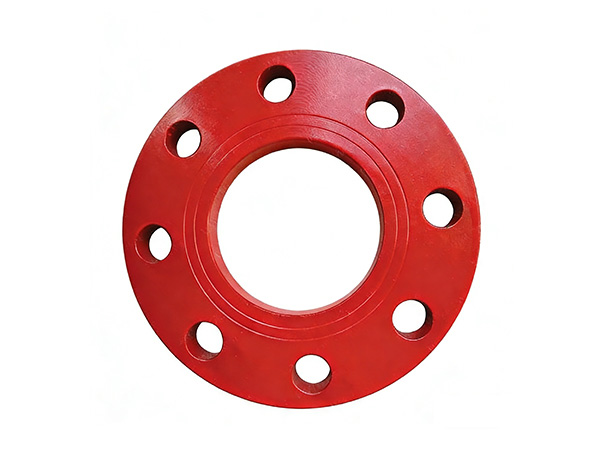
Slip-on flanges offer installation convenience for less demanding applications. The pipe slides into the flange, which is then welded both inside and outside. While not as strong as weld neck flanges, slip-on designs provide adequate performance for many low-pressure applications at reduced cost and easier alignment.
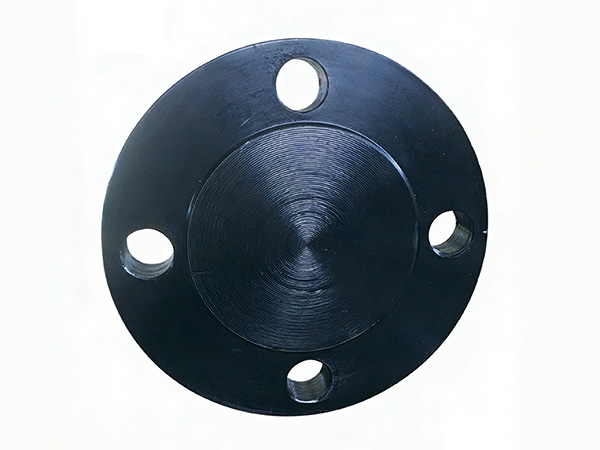
Blind flanges seal the ends of piping systems or pressure vessels. These solid plates must withstand full system pressure and are selected based on pressure class and material requirements matching the connected piping. Blind flanges are essential for isolation, testing, and providing future connection points.
Face Selection and Gasket Compatibility
Flange face design significantly impacts sealing performance and gasket selection. Raised face flanges are the most common, featuring a raised sealing surface that concentrates gasket compression. This design works well with a wide variety of gasket materials and is suitable for most industrial applications.
Ring-type joint flanges utilize metal ring gaskets that fit into machined grooves. This design provides superior sealing for high-pressure and high-temperature applications. The metal-to-metal seal maintains integrity under conditions where softer gasket materials might fail or extrude.
Gasket selection must be compatible with the flange face type, operating conditions, and conveyed fluid. Operating temperature limits, chemical compatibility, and pressure requirements all influence gasket material selection. Proper gasket installation, including appropriate bolt tightening procedures, is essential for achieving leak-free connections.
Quality and Documentation Requirements
Quality assurance is critical for flange reliability and safety. Material test reports documenting chemical composition and mechanical properties provide verification that materials meet specification requirements. Dimensional inspection ensures flanges conform to standard requirements and will properly mate with other components.
For critical applications, additional requirements may include non-destructive examination of flange forgings to detect subsurface defects, hardness testing to verify heat treatment, and impact testing for low-temperature applications. Hebei Zhantong Pipeline Equipment Manufacturing Co., Ltd. maintains comprehensive quality management processes to meet these stringent requirements.
Conclusion
Industrial flange selection requires systematic evaluation of pressure class, material grade, flange type, and face configuration in relation to specific application requirements. Making appropriate selections ensures reliable connections that perform safely and efficiently throughout the piping system's service life. Partnering with experienced manufacturers like Hebei Zhantong Pipeline Equipment Manufacturing Co., Ltd. provides access to technical expertise and quality products that support successful project outcomes.
References
1. Journal of Pressure Vessel Technology, "Flange selection methodology for process piping applications", 2020.
2. International Journal of Pressure Vessels and Piping, "Pressure-temperature rating interpretation for flange specification", 2021.
3. Engineering Failure Analysis, "Common causes of flange connection failures and prevention strategies", 2019.
4. Materials & Design, "Material selection criteria for industrial flanges in corrosive services", 2022.
5. Process Safety Progress, "Gasket selection and installation practices for reliable flanged connections", 2021.
 Recommended Products
 Contact us
—— Contact:Manager
—— Tel:+86 15231788966
—— Email:info@zhantongpipe.com
—— Url:https://www.zhantongpipe.com
—— Address:Mengcun Hui Autonomous County, Cangzhou City, Hebei Province