
NewsDetails
Industrial Pipe Selection Guide Engineering Applications
author:Zhantong time:2026-07-04 17:11:19 Click:55
Selecting the appropriate pipe for industrial applications demands systematic evaluation of numerous technical and economic factors. The consequences of poor selection extend beyond initial procurement—improper pipe choices manifest as leaks, frequent maintenance interventions, and premature replacements that inflate lifecycle costs far beyond initial savings. This guide provides engineering professionals and procurement specialists with frameworks for making optimal pipe selections across diverse application requirements.
Defining Application Requirements and Service Conditions
Accurate application definition precedes material selection. The specification must capture fluid identity and concentration, operating temperature and pressure ranges, ambient environmental conditions, and any cyclic loading or thermal expansion anticipated. These parameters—not price—should drive material selection decisions. Many selection errors originate from incomplete specification that fails to capture all relevant service conditions.
Temperature influences material strength and corrosion rate substantially. A material performing adequately at 200°F may experience accelerated corrosion or strength degradation at 400°F. Pressure affects wall thickness requirements and may constrain material options for high-pressure applications. Environmental factors—including soil chemistry for buried service or atmospheric conditions for above-ground installations—determine external corrosion severity and protective coating requirements.
Material Families and Their Characteristic Strengths
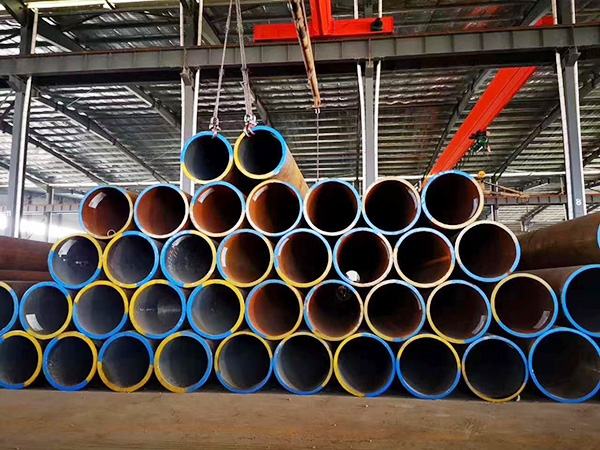
Carbon steel dominates industrial piping through its combination of strength, weldability, and cost-effectiveness. ASTM A53 and A106 products serve general service and high-temperature applications respectively. The material handles temperatures from cryogenic to approximately 800°F and pressures limited primarily by wall thickness and size. External corrosion requires protective measures in aggressive environments.
Stainless steel provides corrosion resistance through chromium oxide passive films. Type 304 serves general corrosive service, while Type 316 adds molybdenum for chloride-containing environments. Duplex grades like 2205 combine corrosion resistance with approximately twice the strength of standard austenitic grades. For extreme environments, specialty alloys—inconel, hastelloy, titanium—address specific corrosive or temperature challenges despite their substantial cost premiums.
Size Determination and Flow Capacity Planning
Pipe size selection balances capital cost against pumping energy consumption. Larger pipes cost more to purchase and install but reduce velocity and pressure drop, lowering operating energy costs. Economic optimization calculations determine optimal sizes based on flow rates, fluid properties, acceptable pressure drop, and energy costs. These calculations frequently favor sizes larger than minimum pressure-rating requirements.
Velocity limits prevent erosion, water hammer, and noise problems in liquid services. General liquid service typically targets velocities below 10 feet per second for slurry services, 3-5 feet per second for raw sewage, and 10-15 feet per second for clear water. Gas and steam services accommodate higher velocities, with compressed air limited to 20-30 feet per second to prevent moisture acceleration issues.
Pressure Ratings and Wall Thickness Calculation
Pressure containment requirements determine minimum wall thickness through code formulas. ASME B31.3 provides the fundamental equation t = PD/(2SE - 1.2P) for process piping, where terms represent thickness, pressure, diameter, stress value, and temperature derating factors. This calculation establishes minimum wall thickness; commercial schedules provide manufactured products with margins above this minimum.
Pipe schedules—Schedule 40, 80, 160, and XXS—standardize wall thickness for given sizes, with schedule numbers approximating pressure ratings through inverse relationship with wall thickness. The selection among schedules balances pressure requirements against cost and weight considerations. Larger schedules than necessary add material cost without proportional benefit; undersized schedules create safety concerns and potential code violations.
Fitting Selection and Joint Configuration Decisions
Fittings enable direction changes, size transitions, and branch connections throughout piping systems. Butt weld fittings—elbows, tees, reducers—match the strength and pressure rating of connected piping when properly welded. Socket weld and threaded fittings facilitate disassembly for maintenance access but introduce pressure retention concerns at threaded connections that limit their use to lower-pressure applications.
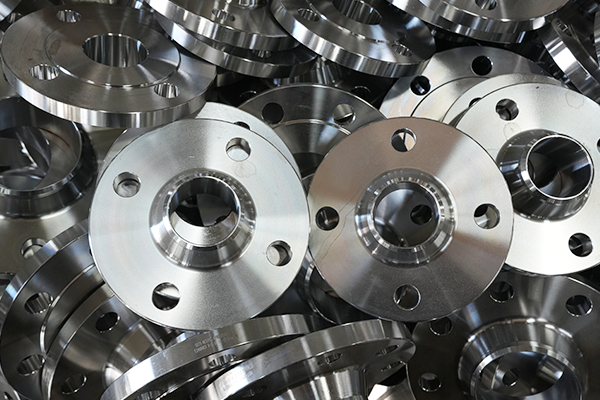
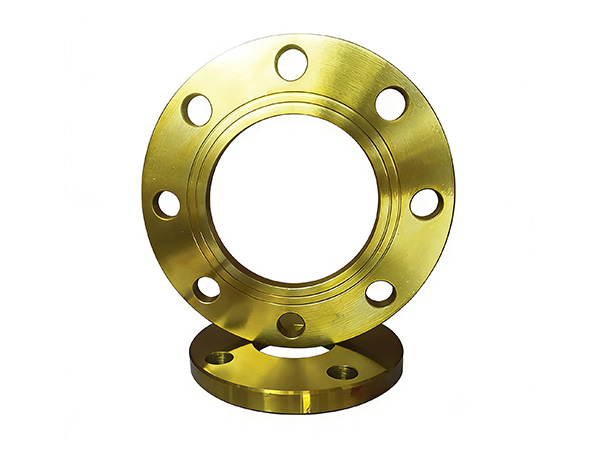
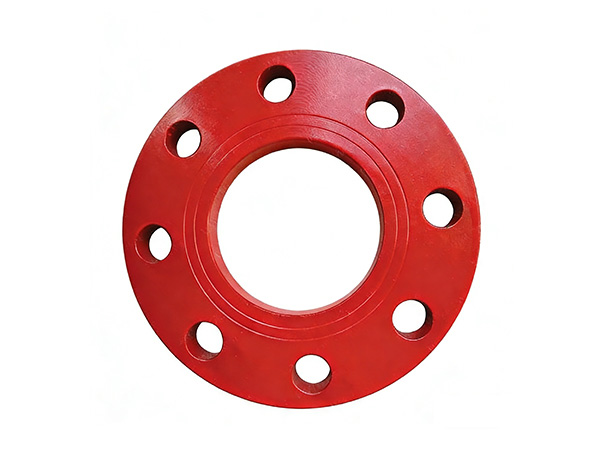
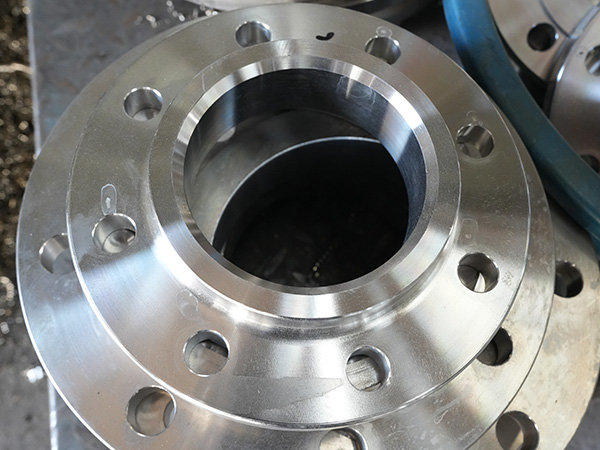
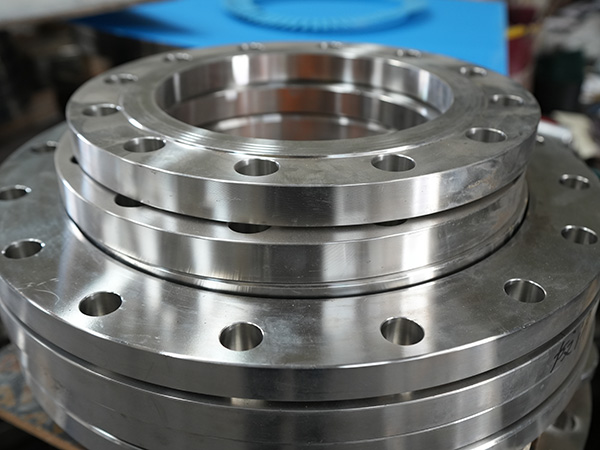
Flanged connections provide bolted assembly and disassembly capability essential for equipment isolation and maintenance access. The flange pressure-temperature rating must match or exceed system design conditions. Gasket selection—considering fluid compatibility, temperature, and pressure—completes the flange joint specification. Improper gasket selection causes leaks despite proper flange assembly practice.
Specialized Applications and Performance Enhancement
Corrosive or high-purity service often demands lining or coating solutions that combine carbon steel strength with corrosion-resistant internal surfaces. PTFE, glass, rubber, and cement mortar linings address specific chemical resistance requirements. The lining selection must consider temperature limitations, mechanical durability during installation and service, and repair complexity should damage occur.
High-temperature service may require alloy additions that maintain strength at elevated temperatures. Chrome-molybdenum alloys (P11, P22, P91) serve superheated steam and high-temperature hydrocarbon service. These materials demand careful welding procedure qualification and quality control, but enable temperatures exceeding carbon steel capabilities while maintaining reasonable cost structures compared to stainless or specialty alloys.
Inviting global distributors to join our comprehensive industrial pipe products distribution network. We supply complete piping solutions including pipe, fittings, flanges, and valves, enabling our distributor partners to serve diverse engineering and construction applications from single-source suppliers.
References
ASME B31.3: Process Piping
ASME B31.4: Pipeline Transportation Systems for Liquids and Slurries
ASME B31.8: Gas Transmission and Distribution Piping Systems
ASTM A53/A53M-20: Standard Specification for Pipe, Steel, Black and Hot-Dipped, Zinc-Coated, Welded and Seamless
Chemical Engineering, January 2021: Pipe Material Selection Optimization
 Recommended Products
 Contact us
—— Contact:Manager
—— Tel:+86 15231788966
—— Email:info@zhantongpipe.com
—— Url:https://www.zhantongpipe.com
—— Address:Mengcun Hui Autonomous County, Cangzhou City, Hebei Province