
NewsDetails
Installation Guide for High Durability TPEP Anti-Corrosion Steel Pipe in Engineering Projects
author:Zhantong time:2026-04-24 18:02:50 Click:146
In modern infrastructure and industrial pipeline projects, high-durability TPEP anti-corrosion steel pipes are extensively utilized, thanks to their outstanding corrosion resistance, long service life, and robust mechanical properties. Nevertheless, to fully realize their designed performance, correct installation is indispensable. This guide offers a clear and practical overview of the proper installation methods for TPEP steel pipes in engineering projects.

1. An Overview of TPEP Anti-Corrosion Steel Pipes
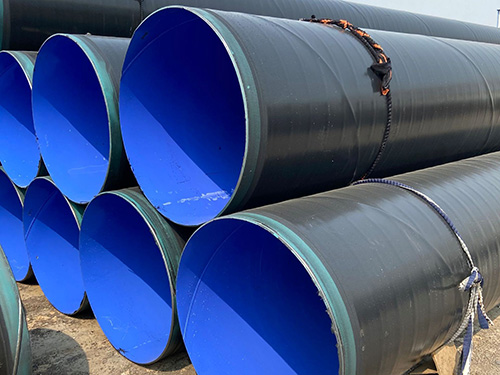
TPEP (Three-layer Polyethylene External + Epoxy Internal Protection) steel pipes integrate three key components:
An inner epoxy coating that ensures smooth fluid flow and strong corrosion resistance
An outer polyethylene layer that provides protection against impact and harsh environmental conditions
A steel pipe core that delivers structural stability and load-bearing capacity
This composite structure makes TPEP steel pipes ideal for water supply systems, oil and gas transportation, and various industrial fluid conveyance applications.
2. Pre-Installation Preparation
Thorough pre-installation preparation is vital to guarantee installation quality and the long-term operational performance of the pipeline system.
2.1 Material Inspection
Prior to installation, conduct a comprehensive inspection of the pipes:
Check the pipe surface for any coating damage, scratches, or defects
Verify that the pipe dimensions and wall thickness comply with design specifications
Examine the factory certification and quality inspection documents to ensure product qualification
Any damaged coating must be repaired promptly before the pipes are put into use.
2.2 Site Preparation
Ensure the trench or installation area meets the project’s design requirements:
Maintain the proper slope and alignment as specified in the design
Prepare a clean, stable foundation to support the pipes
Remove any sharp stones, debris, or other objects that could scratch or damage the pipe coating
2.3 Tool Preparation
Gather the necessary tools for the installation process, including:
Lifting equipment (such as cranes or hoists) for safe pipe handling
Pipe alignment tools to ensure accurate positioning
Welding or connection equipment (if required by the project)
Coating repair materials for addressing minor damage
3. Pipe Handling and Transportation
TPEP pipes must be handled with great care to avoid damaging the anti-corrosion coating, which is critical to their performance.
Use soft slings instead of steel chains to prevent scratching the pipe surface
Avoid dragging pipes directly on the ground, as this can abrade the coating
Store pipes on padded supports to protect the coating during storage
Keep pipes away from sharp or abrasive surfaces that could cause damage
Proper handling and transportation are key to preserving the integrity of the anti-corrosion layer.
4. Installation Process
4.1 Pipe Laying
Lower the pipes into the trench using controlled lifting methods to ensure safety and prevent damage. Pay attention to the following:
Lower the pipes smoothly without impact to avoid coating damage or pipe deformation
Ensure the pipes are correctly aligned with the design axis
Maintain even spacing between pipe joints as specified in the project design
4.2 Joint Connection
The type of joint connection depends on the project requirements, which may include welding or mechanical joints.
For welded connections: Ensure proper beveling of the pipe ends and maintain high welding quality to guarantee joint strength
For flanged or mechanical joints: Ensure tight sealing and correct placement of gaskets to prevent leakage
After completing the connections, conduct a thorough inspection of each joint to ensure reliability.
4.3 Anti-Corrosion Joint Treatment
Pipe joints often expose steel surfaces, so additional anti-corrosion protection is necessary:
Apply epoxy repair coating to exposed steel areas
Use heat shrink sleeves for enhanced protection (if specified in the design)
Apply polyethylene patching to the external surface of the joint for consistent anti-corrosion coverage
This step is crucial for maintaining the overall integrity of the pipeline’s anti-corrosion system.
5. Backfilling and Protection
Once the pipes are installed and the joints are treated, proceed with backfilling to protect the pipeline:
Use fine soil or sand for the initial backfilling layer to avoid damaging the pipe coating
Avoid using stones, hard debris, or sharp materials that could directly contact the pipes
Compact the backfill soil in layers to prevent future settlement
Ensure uniform pressure distribution around the pipes to maintain structural stability
Proper backfilling not only protects the pipe coating but also enhances the overall structural stability of the pipeline.
6. Pressure Testing and Inspection
Before commissioning the pipeline system, conduct pressure testing and visual inspection to ensure performance and safety.
6.1 Pressure Test
Perform hydrostatic or pneumatic testing according to project requirements:
Check for leaks at all pipe joints and connections
Maintain the specified test pressure for the required duration
Monitor pressure drops closely to identify any potential issues
6.2 Visual Inspection
Conduct a detailed visual inspection of the entire pipeline:
Verify the alignment of the pipes meets design standards
Check the integrity of the pipe coating, especially at joints and exposed areas
Inspect the sealing performance of all joints to ensure no leakage
Any defects identified during testing or inspection must be corrected immediately before the system is commissioned.
7. Common Installation Mistakes to Avoid
Avoiding common installation errors is key to extending the pipeline’s service life. Common mistakes include:
Damaging the pipe coating during lifting, dragging, or handling
Improper welding techniques that result in weak or defective joints
Using unsuitable backfill materials that damage the coating or cause settlement
Skipping the anti-corrosion treatment for pipe joints
Conducting inadequate pressure testing that fails to identify leaks or defects
By avoiding these mistakes, the service life and reliability of the TPEP pipeline system can be significantly improved.
8. Post-Installation Maintenance
While TPEP steel pipes require minimal maintenance, regular inspections are recommended to ensure long-term performance:
Inspect exposed sections of the pipeline for coating damage or signs of corrosion
Monitor the system’s pressure and flow performance to detect abnormalities
Check for external coating damage in harsh environments (e.g., areas with heavy traffic or extreme weather)
Preventive maintenance helps extend the pipeline’s service life beyond its designed expectations.
Conclusion
Proper installation of high-durability TPEP anti-corrosion steel pipes is essential for ensuring their long-term performance, safety, and efficiency in engineering projects. By following standardized procedures—from pre-installation preparation and careful handling to joint protection and thorough testing—engineers can fully leverage the advantages of TPEP piping systems. With correct installation practices, these pipes can provide reliable service for decades in demanding environments such as water supply networks, petrochemical transportation systems, and industrial infrastructure projects.
References
GB/T 7714: Installation Technology and Quality Control of TPEP Anti-Corrosion Steel Pipes in Water Supply Pipeline Projects. Journal of Infrastructure Engineering
MLA:Corrosion Protection Performance of TPEP Coating and Joint Treatment Techniques. Journal of Materials Science and Engineering
APA:Pressure Testing and Quality Inspection of TPEP Pipeline Systems: Methods and Standards. Journal of Testing and Evaluation
 Recommended Products
 Contact us
—— Contact:Manager
—— Tel:+86 15231788966
—— Email:info@zhantongpipe.com
—— Url:https://www.zhantongpipe.com
—— Address:Mengcun Hui Autonomous County, Cangzhou City, Hebei Province