
NewsDetails
Insulated Steel Pipes for Thermal Systems - Zhantong Pipeline
author:Zhantong time:2026-05-28 18:46:51 Click:186
Insulated Steel Pipes for Thermal Systems
Introduction to Insulated Pipeline Systems
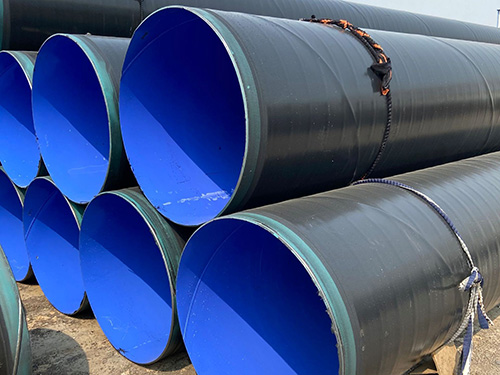
Insulated steel pipes play a vital role in thermal energy distribution systems, enabling efficient transport of hot water, steam, and other heated fluids over extended distances with minimal heat loss. These specialized pipeline systems are essential for district heating networks, industrial process heating, and various applications where temperature maintenance is critical. Hebei Zhantong Pipeline Equipment Manufacturing Co., Ltd. manufactures high-quality insulated steel pipes designed to maximize thermal efficiency and system longevity.
The construction of insulated pipes typically involves a carrier pipe, thermal insulation material, and an outer protective casing. This composite structure provides both thermal insulation and mechanical protection, ensuring reliable service in demanding environments. Modern insulated pipe systems are engineered to deliver exceptional performance over service lives exceeding thirty years with minimal maintenance requirements.

Thermal Insulation Materials
The selection of insulation material significantly impacts the thermal performance and cost-effectiveness of insulated pipeline systems. Polyurethane foam is widely used due to its excellent thermal insulation properties, low thermal conductivity, and ability to be applied in a continuous, seamless manner. The foam fills the annular space between the carrier pipe and outer casing, eliminating thermal bridges and providing uniform insulation coverage.
Mineral wool insulation offers advantages in high-temperature applications where polyurethane foam may approach its temperature limits. Mineral wool maintains its insulating properties at elevated temperatures and provides inherent fire resistance. This material is frequently selected for industrial steam distribution systems and other high-temperature thermal applications.
The thermal conductivity of insulation materials is a critical performance parameter. Lower thermal conductivity values translate to reduced heat loss and improved system efficiency. Manufacturers like Zhantong carefully control insulation density and application processes to optimize thermal performance while maintaining structural integrity of the insulated pipe assembly.
Carrier Pipe Selection
The carrier pipe, which directly conveys the heated fluid, must withstand operating temperatures, pressures, and chemical exposures while maintaining structural integrity. Steel pipes are the predominant choice due to their strength, temperature resistance, and proven performance in thermal applications. The steel pipe also serves as the primary pressure boundary for the conveyed fluid.
For district heating applications operating at moderate temperatures, carbon steel pipes provide an excellent balance of performance and cost-effectiveness. Higher temperature applications may require low-alloy steels or specialized materials that maintain mechanical properties at elevated temperatures. The carrier pipe is typically protected from external corrosion by the insulation and casing system.
Hebei Zhantong Pipeline Equipment Manufacturing Co., Ltd. offers carrier pipes in various grades and specifications to meet diverse application requirements. Surface preparation of the carrier pipe before insulation application is critical for ensuring proper adhesion of insulation materials and long-term system performance.
Outer Casing and Protection
The outer casing of insulated pipes serves multiple functions: protecting the insulation from moisture intrusion, providing mechanical protection during handling and installation, and maintaining the structural integrity of the insulated pipe assembly. High-density polyethylene (HDPE) is commonly used for the outer casing due to its durability, moisture resistance, and resistance to environmental degradation.
The casing must prevent groundwater and soil moisture from reaching the insulation material, as water intrusion can dramatically reduce thermal insulation effectiveness and potentially lead to corrosion of the carrier pipe. Proper sealing of casing joints during installation is essential for maintaining the moisture barrier function throughout the pipeline's service life.
For above-ground installations, UV-resistant materials or protective coatings may be applied to the outer casing to prevent degradation from sunlight exposure. In particularly aggressive environments, additional protective measures such as concrete coatings or extra-thick casings may be specified to extend service life.
System Design Considerations
Designing insulated pipeline systems requires consideration of thermal expansion, pressure containment, and pipeline routing. Thermal expansion of the carrier pipe creates movement that must be accommodated through expansion loops, bellows, or other devices. Failure to properly address thermal expansion can result in excessive stress on pipe supports, connections, and the carrier pipe itself.
Heat loss calculations are essential for determining the required insulation thickness and evaluating system efficiency. These calculations consider fluid temperatures, pipe dimensions, insulation properties, and burial depth or exposure conditions. Optimizing insulation thickness balances initial installation costs against ongoing operational costs associated with heat loss.
Leak detection systems are often integrated into insulated pipeline designs, particularly for district heating networks where early detection of carrier pipe leaks can prevent significant damage and service disruptions. Various detection technologies, including conductivity sensors and fiber optic systems, can be incorporated into the pipe assembly during manufacturing.
Conclusion
Insulated steel pipes are indispensable components of modern thermal energy distribution infrastructure. Their ability to transport heated fluids efficiently over long distances supports sustainable energy practices and reduces operational costs. By partnering with experienced manufacturers like Hebei Zhantong Pipeline Equipment Manufacturing Co., Ltd., project developers can access high-quality insulated pipe solutions engineered for long-term performance and reliability.
References
1. Applied Energy, "Thermal performance optimization of district heating pipe networks", 2020.
2. Energy, "Life cycle assessment of pre-insulated pipe systems for thermal energy distribution", 2021.
3. International Journal of Thermal Sciences, "Heat loss analysis in insulated pipeline systems", 2019.
4. Renewable and Sustainable Energy Reviews, "Advances in insulation materials for thermal pipeline systems", 2022.
5. Building and Environment, "Long-term performance monitoring of insulated district heating pipelines", 2021.
 Recommended Products
 Contact us
—— Contact:Manager
—— Tel:+86 15231788966
—— Email:info@zhantongpipe.com
—— Url:https://www.zhantongpipe.com
—— Address:Mengcun Hui Autonomous County, Cangzhou City, Hebei Province