

NewsDetails
Natural Gas Pipeline Transportation Systems
author:Zhantong time:2026-06-01 21:40:14 Click:67
Introduction to Gas Transportation Infrastructure
Natural gas pipeline systems form the backbone of energy transportation infrastructure, delivering this clean-burning fuel from production fields to processing facilities, power generation plants, industrial consumers, and residential users. These extensive networks operate under high pressures and cover vast distances, requiring robust pipeline materials and precision-engineered components. Hebei Zhantong Pipeline Equipment Manufacturing Co., Ltd. contributes to gas infrastructure development through the supply of high-quality steel pipes and flanges designed for demanding gas service.
The design and construction of natural gas pipelines involves multiple engineering disciplines, addressing structural integrity, pressure containment, corrosion protection, and safety considerations. Pipeline systems must operate reliably for decades, often traversing diverse terrain and crossing environmentally sensitive areas. Material quality and manufacturing precision directly impact pipeline safety and operational performance.
Transmission Pipeline Requirements
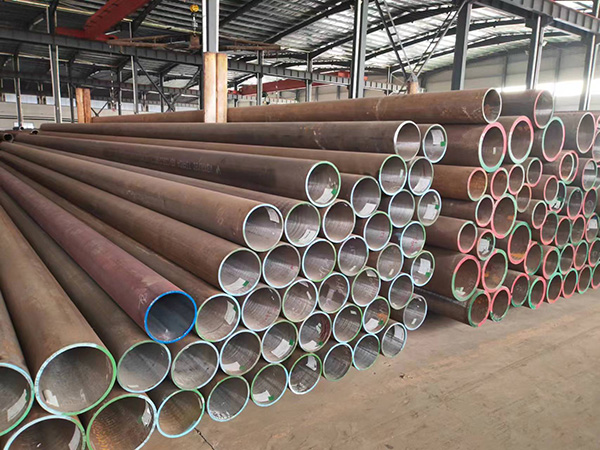
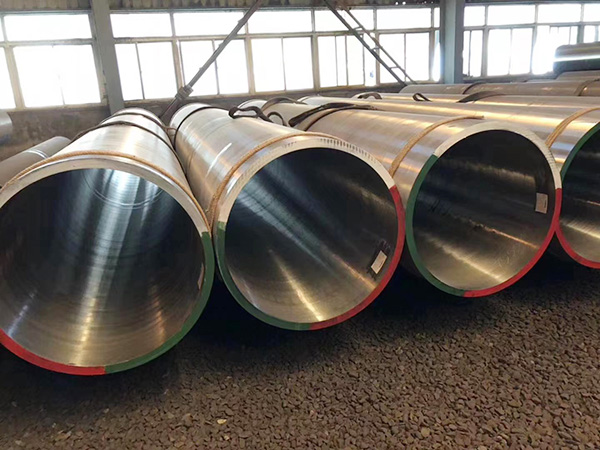
Transmission pipelines transport natural gas at high pressures over long distances, connecting production areas with consumption centers. These large-diameter pipelines typically operate at pressures ranging from 500 to 1500 psi or higher, necessitating thick-walled steel pipes with excellent mechanical properties. The pipes must withstand both internal pressure and external loads from soil, traffic, and geological movements.
Line pipe specifications for gas transmission are defined in standards such as API 5L, which covers seamless and welded steel pipe suitable for various service conditions. The standard defines multiple steel grades and product specification levels that address different application requirements. Higher strength grades enable design of thinner-walled pipes that maintain adequate pressure capacity while reducing material costs.
Weldability is a critical consideration for transmission pipelines, which are constructed by welding individual pipe joints into continuous strings. Pipe materials must exhibit good weldability to ensure high-quality field welds that maintain pipeline integrity. Manufacturers like Zhantong implement stringent chemistry controls to optimize weldability while meeting strength requirements.
Distribution Network Components
Distribution networks deliver natural gas from transmission pipelines to end users through progressively smaller-diameter piping systems. These networks operate at lower pressures than transmission systems but require equally reliable materials and components. Distribution piping may be installed underground in urban environments, where accessibility for maintenance is limited.
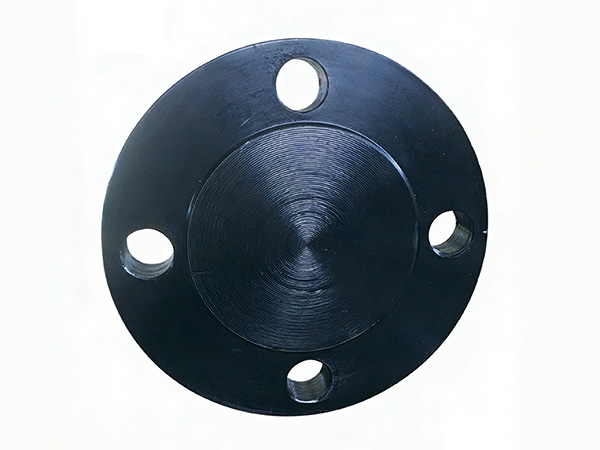
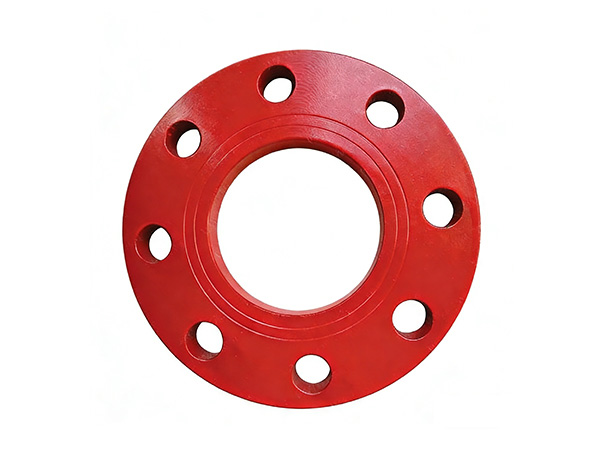
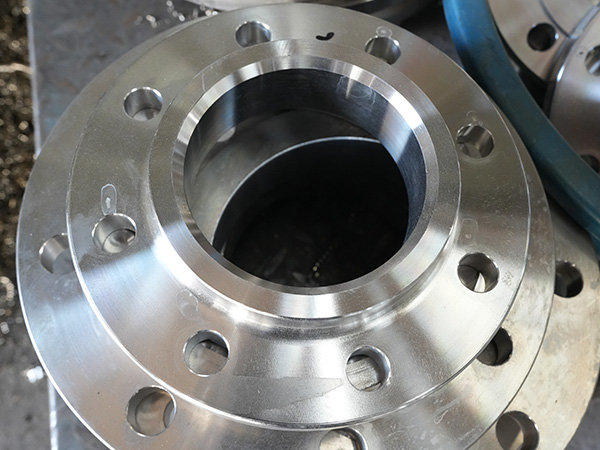
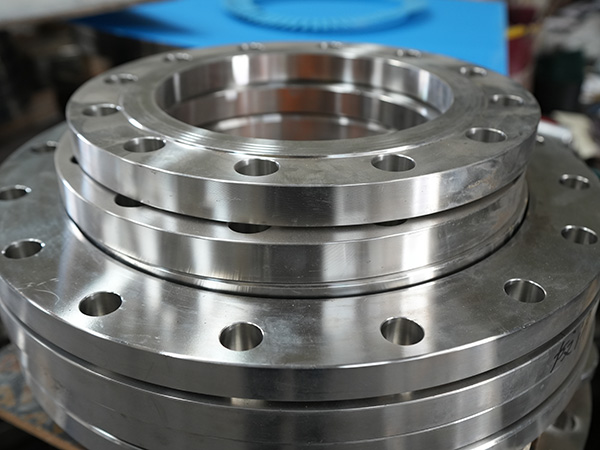
Flange connections in gas distribution systems facilitate connections between pipes, valves, regulators, and other equipment. These connections must maintain seal integrity throughout the service life while allowing disconnection for maintenance when required. Proper gasket selection and bolt tightening procedures are essential for leak-free flanged connections in gas service.
Corrosion protection is particularly important for underground distribution piping, where soil conditions can be highly corrosive. External coating systems and cathodic protection work together to prevent external corrosion that could lead to leaks. Internal corrosion from wet gas or condensate may also require consideration in distribution system design.
Safety and Integrity Management
Safety is paramount in natural gas pipeline systems due to the potential consequences of failures. Pipeline integrity management programs systematically identify and address threats to pipeline safety. These programs include regular inspection using inline inspection tools (smart pigs), direct assessment methods, and continuous monitoring systems.
High-consequence areas, where pipeline failures could cause significant harm to people or the environment, receive enhanced inspection and assessment frequencies. Pipeline operators must demonstrate that their systems are operating safely and take prompt action when integrity concerns are identified. Regulatory frameworks in most jurisdictions mandate comprehensive integrity management programs for gas pipelines.
Emergency response planning and preparedness are integral to pipeline safety management. Operators maintain emergency response capabilities including isolation valves, trained personnel, and communication systems to respond effectively to any incidents. Regular drills and exercises ensure readiness to protect public safety and minimize environmental impact.
Environmental Considerations
Environmental considerations increasingly influence natural gas pipeline design and operation. Methane emissions from pipeline systems contribute to climate change, driving efforts to minimize leakage and reduce emissions. Advanced monitoring technologies and improved maintenance practices help operators identify and repair leaks promptly.
Pipeline construction activities can impact sensitive ecosystems and habitats. Environmental impact assessments evaluate potential effects and identify mitigation measures. Modern construction techniques minimize surface disturbance and enable restoration of affected areas following pipeline installation.
The role of natural gas in the energy transition toward lower-carbon fuels creates both opportunities and challenges for pipeline infrastructure. Existing pipeline networks can transport hydrogen-blended natural gas with appropriate modifications, potentially extending their useful life in a decarbonizing energy system.
Conclusion
Natural gas pipeline transportation systems require robust materials, precise engineering, and comprehensive integrity management to ensure safe, reliable operation. The extensive networks that deliver energy to consumers depend on quality components manufactured to exacting standards. Hebei Zhantong Pipeline Equipment Manufacturing Co., Ltd. supports gas infrastructure development through supply of pipes and flanges engineered for the demanding requirements of gas transmission and distribution applications.
References
1. Journal of Natural Gas Science and Engineering, "Transmission pipeline design considerations for modern natural gas infrastructure", 2020.
2. International Journal of Pressure Vessels and Piping, "Integrity management of aging natural gas pipeline networks", 2021.
3. Journal of Pipeline Systems Engineering and Practice, "Safety performance indicators for gas transmission systems", 2019.
4. Energy Policy, "Environmental impacts of natural gas pipeline development and operation", 2022.
5. Renewable and Sustainable Energy Reviews, "Hydrogen blending in natural gas pipelines: Technical and safety considerations", 2021.
 Recommended Products


 Contact us
—— Contact:Manager
—— Tel:+86 15231788966
—— Email:info@zhantongpipe.com
—— Url:https://www.zhantongpipe.com
—— Address:Mengcun Hui Autonomous County, Cangzhou City, Hebei Province