
NewsDetails
Petrochemical Industry Pipeline Solutions
author:Zhantong time:2026-06-02 23:40:22 Click:90
Introduction to Petrochemical Piping
The petrochemical industry operates some of the most demanding and complex piping systems in the industrial sector. These systems handle hydrocarbons, chemicals, and process fluids under extreme conditions of temperature, pressure, and corrosivity. Hebei Zhantong Pipeline Equipment Manufacturing Co., Ltd. provides comprehensive pipeline solutions specifically engineered to meet the rigorous requirements of petroleum refining, chemical processing, and natural gas facilities.
Pipeline systems in petrochemical plants must safely contain hazardous and valuable fluids while operating continuously over extended periods. The consequences of pipeline failures in this industry can be severe, encompassing safety hazards, environmental damage, and significant economic losses. Selecting appropriate pipe materials, flanges, and fittings is therefore critical to plant safety and operational reliability.
Corrosion Challenges in Petrochemical Service
Corrosion represents one of the primary challenges in petrochemical piping systems. Process streams may contain corrosive components such as hydrogen sulfide, carbon dioxide, chlorides, and various organic acids. Each of these species attacks metal surfaces through distinct mechanisms, requiring careful material selection and corrosion mitigation strategies.
Sour service environments, characterized by the presence of hydrogen sulfide, pose particular risks including sulfide stress cracking and hydrogen-induced cracking. Materials for sour service must meet stringent requirements defined in standards such as NACE MR0175 and ISO 15156. These standards specify maximum hardness limits, heat treatment requirements, and material qualifications for service in hydrogen sulfide-containing environments.
High-temperature corrosion mechanisms including oxidation, sulfidation, and carburization affect piping in fired heaters, reactor systems, and other high-temperature process units. Alloy steels containing chromium and molybdenum provide enhanced resistance to these degradation mechanisms compared to carbon steel. Selecting appropriate alloy grades requires thorough understanding of process conditions and corrosion mechanisms.
Pressure Containment Requirements
Petrochemical piping systems frequently operate at elevated pressures, necessitating careful design and material selection to ensure pressure containment. High-pressure systems require pipes and flanges with adequate wall thickness and pressure ratings. The design must account for both steady-state operating conditions and pressure excursions that may occur during process upsets.
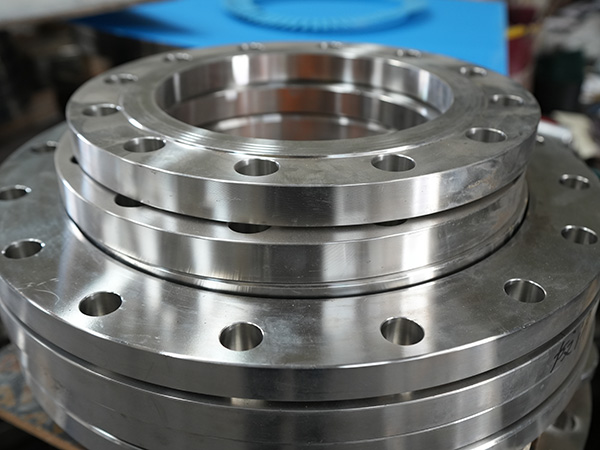
Flange connections in high-pressure service demand particular attention. The bolted connection must maintain seal integrity under operating conditions while allowing for necessary maintenance access. Proper gasket selection, bolt tightening procedures, and flange face condition all influence the pressure integrity of flanged connections.
Hebei Zhantong Pipeline Equipment Manufacturing Co., Ltd. supplies pipes and flanges in pressure classes ranging from standard to high-pressure ratings. The company's manufacturing processes ensure dimensional accuracy and material properties that support reliable pressure containment across the full range of operating conditions encountered in petrochemical facilities.
Material Selection for Specific Services
Different process units within a petrochemical complex may require distinct material selections based on the specific fluids and conditions encountered. Crude distillation units handling high-temperature hydrocarbons typically utilize carbon steel for atmospheric sections and low-alloy steels for vacuum sections where temperatures are highest. Catalytic cracking and reforming units may require stainless steels or higher alloys.
Hydroprocessing units present particularly challenging material requirements due to the combination of high pressure, high temperature, and hydrogen partial pressure. Materials for hydroprocessing service must resist hydrogen attack, a degradation mechanism where atomic hydrogen diffuses into steel and reacts with carbon to form methane, causing decarburization and void formation. Properly selected alloy steels resist this mechanism through stable carbide formation.
Utilities piping including steam, cooling water, and instrument air systems also require appropriate material specifications. While these systems may not face the same aggressive conditions as process piping, their reliability is essential for plant operation. Cost-effective material selections that provide adequate service life are standard practice for utility systems.
Quality and Inspection Requirements
Quality requirements for petrochemical piping are among the most stringent in industry. Material traceability, chemical composition verification, and mechanical property testing ensure that pipes and flanges meet specification requirements. Non-destructive examination including radiography, ultrasonic testing, and magnetic particle inspection detects manufacturing defects that could compromise service performance.
Hydrostatic testing of piping systems prior to service validates pressure integrity and identifies any installation defects. Test pressures exceed maximum operating pressures to provide safety margins. Documentation of testing and inspection results is essential for quality records and regulatory compliance.
Manufacturers serving the petrochemical industry must maintain robust quality management systems. Hebei Zhantong Pipeline Equipment Manufacturing Co., Ltd. implements comprehensive quality control processes throughout production, from incoming material verification through final inspection and testing.
Conclusion
Petrochemical industry pipeline solutions demand exceptional quality, appropriate material selection, and rigorous engineering to ensure safe, reliable operation. The aggressive process conditions and hazardous nature of fluids handled in this industry leave no room for compromise. By partnering with experienced manufacturers like Hebei Zhantong Pipeline Equipment Manufacturing Co., Ltd., petrochemical plant operators can access pipeline products that meet the demanding requirements of this critical industry sector.
References
1. Corrosion Science, "Corrosion mechanisms and material selection in petroleum refining environments", 2020.
2. International Journal of Pressure Vessels and Piping, "Material performance in sour service: A comprehensive review", 2021.
3. Journal of Loss Prevention in the Process Industries, "Pipeline integrity management in petrochemical facilities", 2019.
4. Engineering Failure Analysis, "High-temperature degradation mechanisms in refinery piping systems", 2022.
5. Process Safety and Environmental Protection, "Risk-based inspection planning for petrochemical piping systems", 2021.
 Recommended Products
 Contact us
—— Contact:Manager
—— Tel:+86 15231788966
—— Email:info@zhantongpipe.com
—— Url:https://www.zhantongpipe.com
—— Address:Mengcun Hui Autonomous County, Cangzhou City, Hebei Province