
NewsDetails
Pipe Cap: Sealing the End of Piping Systems Safely
author:Zhantong time:2026-09-29 13:20:40 Click:175
A pipe cap is the simplest yet essential fitting: it closes the end of a pipe. Whether sealing a dead-end header or protecting a line during hydrotest, the cap must match the pipe's pressure and integrity.
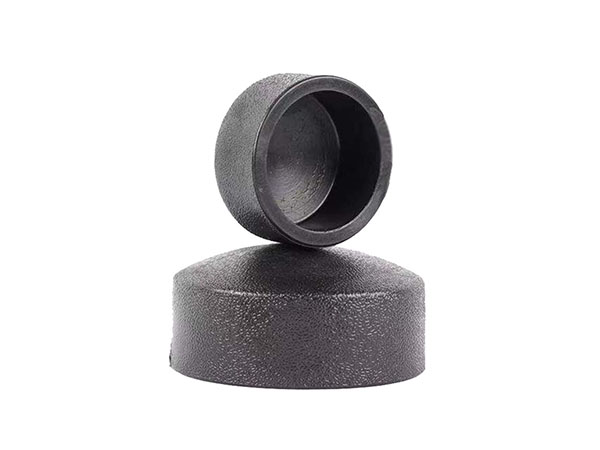
Zhantong manufactures butt-weld caps to ANSI, DIN, JIS and GB. This article covers selection and safe use.
What a Pipe Cap Does
A cap provides a pressure-tight end closure, replacing a flange blind where a permanent seal is preferred. It also protects the pipe bore from contamination during storage, shipping and hydrotesting.
Caps are used on both process ends and on branches terminated for future expansion.
Standards and Forms
Butt-weld caps follow ASME B16.9, with DIN 2617, JIS B2311 and GB/T 12459 equivalents. They are specified by nominal size and schedule, formed from plate or pipe with a domed or flat end.
Zhantong supplies carbon, stainless, alloy and low-temperature caps with full traceability.
Materials and Schedules
Cap wall schedule matches the pipe (SCH 10–160, STD/XS/XXS) so the end closure carries the same pressure. For corrosive or hygienic lines, stainless and duplex caps keep the wetted surface consistent.
Seamless caps avoid a weld seam at the pressure boundary.
Pressure Integrity
Because a cap is a pressure boundary, its weld must be qualified and inspected like any butt joint. In high-pressure lines, RT/UT of the cap weld is often required by code.
Correct fit-up and post-weld heat treatment preserve toughness at the closure.
Applications
Caps seal dead-end headers, vessel stub ends, meter runs and test assemblies. They also terminate branches reserved for future tie-ins, keeping the system clean until expansion.
In subsea and underground lines, caps protect open ends during lay and commissioning.
Selection and Installation
Specify size, schedule, material, standard and end type. Align the bore during welding and inspect the seam per project code; for temporary caps used in testing, ensure they are rated for the test pressure.
Mark future tie-in ends so they are not mistaken for permanent closures during operation.
Frequently Asked Questions
Is a cap better than a blind flange?
A cap gives a permanent welded closure; a blind flange allows easy future opening. Choose by access need.
Which standard covers caps?
ASME B16.9, with DIN 2617 and GB/T 12459 common.
Must schedule match the pipe?
Yes, so the end closure shares the pipe's pressure rating.
Are caps used for testing?
Yes, temporary caps close ends during hydrotest if rated for test pressure.
Conclusion
Pipe caps deliver a clean, pressure-tight end closure and protect open lines during construction and testing. Matching schedule and inspecting the weld keeps the boundary safe.
To discuss specifications, request a quote, or download full datasheets, visit www.zhantongpipe.com or contact our engineering team directly. Hebei Zhantong Pipeline Equipment Manufacturing Co., Ltd supports OEM drawings, third-party inspection, and worldwide shipping for every order.
 Recommended Products
 Contact us
—— Contact:Manager
—— Tel:+86 15231788966
—— Email:info@zhantongpipe.com
—— Url:https://www.zhantongpipe.com
—— Address:Mengcun Hui Autonomous County, Cangzhou City, Hebei Province