
NewsDetails
Pipeline Heat Loss Reduction: Strategies Used by Leading Insulated Pipeline Suppliers
author:Zhantong time:2026-02-18 09:58:58 Click:67
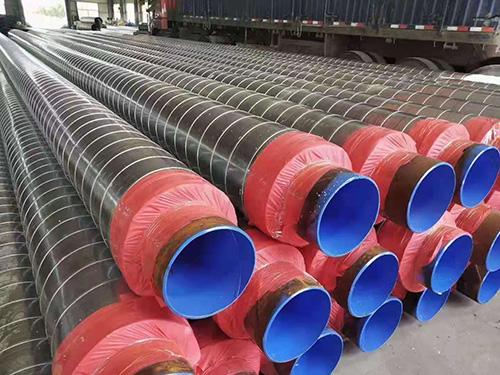
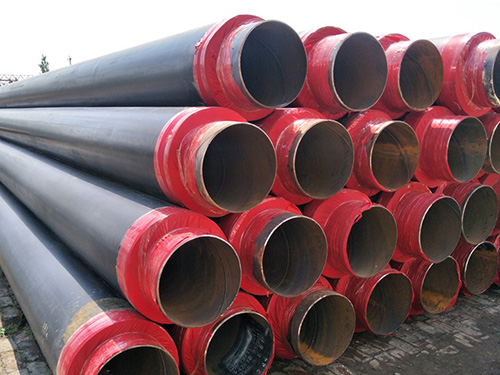
Reducing heat loss in fluid transport systems is essential for energy efficiency, cost control, and environmental performance. As a professional Insulated Pipeline Supplier, mastering heat loss reduction strategies not only supports product performance but also ensures long-term reliability for industrial, municipal, and energy applications. In today’s competitive landscape, manufacturers with optimized factory production systems and bulk supply capabilities deliver insulation solutions that improve thermal efficiency and lower operating expenses.
This article explores proven methods that insulated pipeline suppliers use to minimize heat loss, from material selection and design principles to production techniques and installation best practices.
Why Heat Loss Matters in Pipeline Systems
Heat loss occurs when thermal energy escapes from the pipeline surface to the surrounding environment. In temperature-sensitive applications—such as hot water distribution, thermal oil circuits, and steam transport—heat loss leads to:
·Lower energy efficiency
·Increased fuel consumption
·Temperature fluctuations
·Higher operating costs
·Greater emissions
Effective heat loss mitigation ensures that the transported medium retains its designed temperature over long distances. For an insulated pipeline supplier, this means designing systems that maintain thermal performance without sacrificing durability or ease of installation.
Core Factors Influencing Heat Loss
Before diving into insulation strategies, it’s important to understand the key factors that influence heat loss:
1. Thermal Conductivity of the Pipe Material
Pipes made of metals with high thermal conductivity can transfer heat rapidly to the environment. Choosing appropriate base material is the first step before insulation design.
2. Pipeline Diameter and Thickness
Larger diameter pipelines have more surface area, potentially increasing heat loss if not insulated properly.
3. Operating Temperature
Higher internal temperatures usually result in greater driving force for heat loss.
4. Ambient Conditions
Wind, moisture, and ground conditions can accelerate heat transfer away from the pipeline.
These factors drive insulation strategies that a professional supplier implements during the production and design phases.
Strategic Insulation Material Selection
One of the most impactful ways insulated pipeline suppliers reduce heat loss is through material selection. Specific insulation materials provide different levels of thermal resistance (R-value) and suit unique operating conditions.
High-Performance Thermal Insulation
Popular options include:
·Polyurethane Foam (PUF): Low thermal conductivity and lightweight structure make it ideal for both above-ground and buried systems.
·Mineral Wool: Excellent heat resistance up to high temperatures, suitable for steam lines.
·Aerogel: Superior insulation with minimal thickness, beneficial where space is limited.
·Expanded Perlite: Good thermal stability for specific industrial environments.
Choosing the right material requires balancing cost, performance, and production scalability. In modern industrial settings, factory production lines integrate precision insulation application processes—such as controlled foaming and layering—to ensure consistent bulk manufacturing quality.
Designing for Maximum Thermal Performance
Good insulation design goes beyond material choice. Leading insulated pipeline suppliers adopt several design strategies to optimize heat retention.
Multi-Layer Insulation Systems
Combining layers with varying thermal characteristics—such as a high-R inner layer and a protective outer jacket—reduces thermal bridging and prevents moisture ingress.
Thermal Breaks and Barriers
In areas with mechanical supports or connections, thermal breaks interrupt heat flow, lowering overall energy loss.
Seam-Free Jackets
Outer jackets made of continuous material with minimal joints reduce points of thermal leakage. Factory production techniques—such as automated welding and wrapping—ensure tight process control, which enhances long-term insulation performance in bulk-produced systems.
Production Techniques That Improve Insulation Integrity
A high-quality insulation system begins with controlled production processes. Insulated pipeline suppliers with advanced manufacturing and production facilities ensure consistent insulation quality by:
·Monitoring raw material quality
·Using automated applicators for foaming and layering
·Controlling curing temperatures and times
·Inspecting thickness and density uniformity
·Packaging for moisture protection and installation ease
These steps reduce defects and variance between batches, which is essential for large-scale projects and stable supply.
Pipeline Routing and Layout Optimization
Beyond materials and insulation design, how a pipeline is routed impacts heat loss. Strategic layout decisions can significantly reduce thermal exposure.
Minimize Exposed Length
Long sections exposed to harsh environments are more prone to heat loss. Designing shorter exposed runs or burying lines where feasible can preserve thermal energy.
Avoid Sharp Bends
Sharp bends increase surface area and disrupt insulation continuity. Smooth transitions and gentle bends contribute to lower heat transfer.
These considerations are integrated during the planning and production phases by insulated pipeline suppliers so that the result is thermally efficient and installation-ready.
Installation Practices That Support Heat Retention
Even the best insulation materials perform poorly if installed incorrectly. Key installation practices include:
·Proper sealing at joints and connections
·Ensuring insulation continuity along the entire line
·Using protective outer covers to prevent moisture intrusion
·Tight mechanical support that does not compress insulation
By training installation teams and providing clear guidelines, manufacturers help ensure that production quality translates into field performance.
Monitoring and Maintenance
Heat loss prevention doesn’t stop at installation. Maintaining insulation systems through periodic checks ensures they stay effective over time.
Temperature Monitoring
Installing thermal sensors at critical points helps detect unexpected heat loss early.
Visual and Mechanical Inspection
Routine inspections for cracks, moisture damage, or compression maintain insulation integrity.
These practices protect long-term performance, especially in industrial installations where uptime and energy efficiency are critical.
Economic and Environmental Benefits
Effective heat loss reduction improves economic outcomes by lowering fuel costs and extending equipment life. Environmentally, reduced energy waste impacts greenhouse gas emissions, aligning with sustainability goals.
Insulated pipeline suppliers that emphasize performance in both material selection and production help project owners achieve these benefits while maintaining reliable supply capacity for large orders.
Summary: Thermal Performance Through Strategic Insulation
In summary, reducing pipeline heat loss requires thoughtful insulation strategies that encompass:
·Advanced material selection
·High-quality design and layering
·Controlled factory production
·Smart routing and layout
·Proper installation
·Ongoing maintenance
For professional Insulated Pipeline Suppliers, mastering these strategies ensures that products not only meet thermal performance targets but also support bulk manufacturing, consistent quality, and project success.
Whether for industrial, municipal, or energy applications, the insulation solutions implemented during production and factory manufacturing are key to minimizing heat loss and maximizing pipeline efficiency.
References
GB/T 7714:Alrasheed M R A. Optimizing the thickness of multilayer thermal insulation on different pipelines for minimizing overall cost-associated heat loss[J]. Processes, 2024, 12(2): 318.
MLA:Alrasheed, Mohammed RA. "Optimizing the thickness of multilayer thermal insulation on different pipelines for minimizing overall cost-associated heat loss." Processes 12.2 (2024): 318.
APA:Alrasheed, M. R. (2024). Optimizing the thickness of multilayer thermal insulation on different pipelines for minimizing overall cost-associated heat loss. Processes, 12(2), 318.
 Recommended Products
 Contact us
—— Contact:Manager
—— Tel:+86 15231788966
—— Email:info@zhantongpipe.com
—— Url:https://www.zhantongpipe.com
—— Address:Mengcun Hui Autonomous County, Cangzhou City, Hebei Province