
NewsDetails
Slip on Pipe Flange the Complete Guide for Industrial Piping Systems
author:Zhantong time:2026-03-08 16:49:02 Click:194
In industrial piping systems, choosing the right flange is critical to safety, efficiency, and long‑term performance. Among the most widely used flange types worldwide, theslip‑on pipe flangestands out for its versatility, ease of installation, and cost‑effectiveness. Whether you work in oil and gas, water treatment, chemical processing, power generation, or general manufacturing, understanding slip‑on flanges can help you make better purchasing and engineering decisions. This complete guide covers everything you need to know about slip‑on pipe flanges: what they are, how they work, key specifications, materials, applications, installation best practices, and how they compare to other flange styles.

What Is a Slip‑On Pipe Flange?
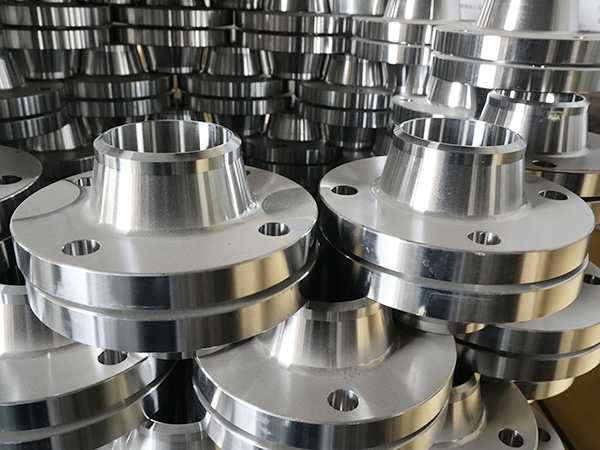
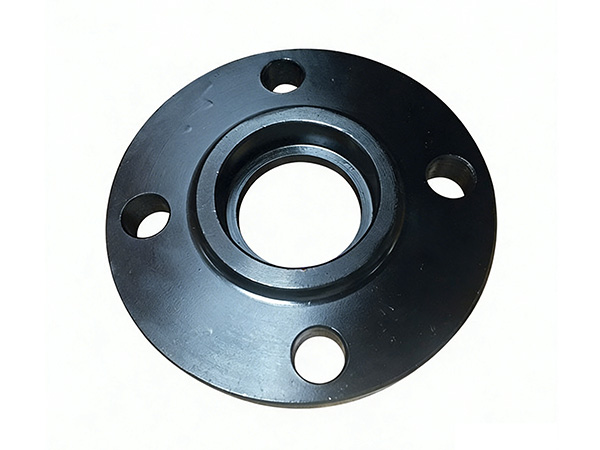
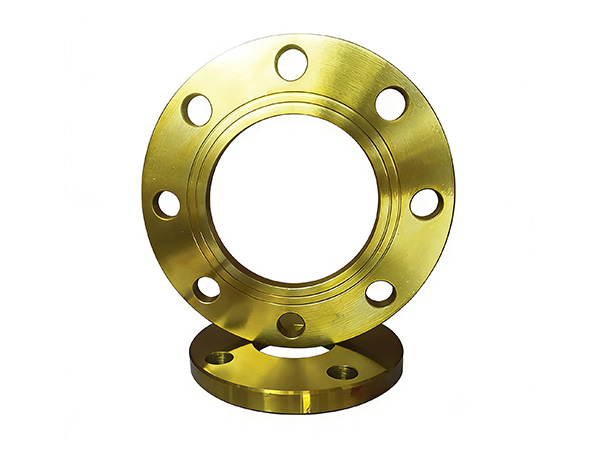
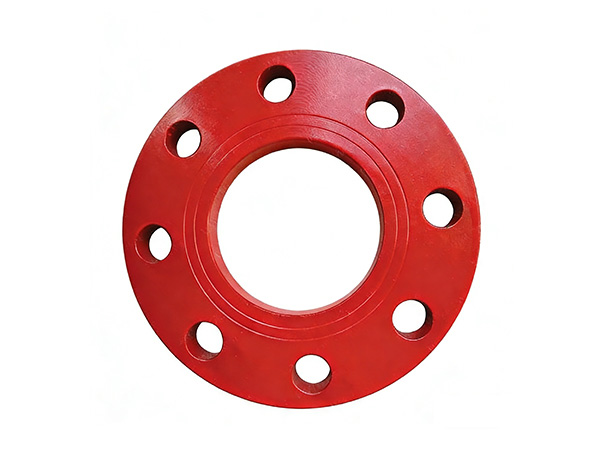
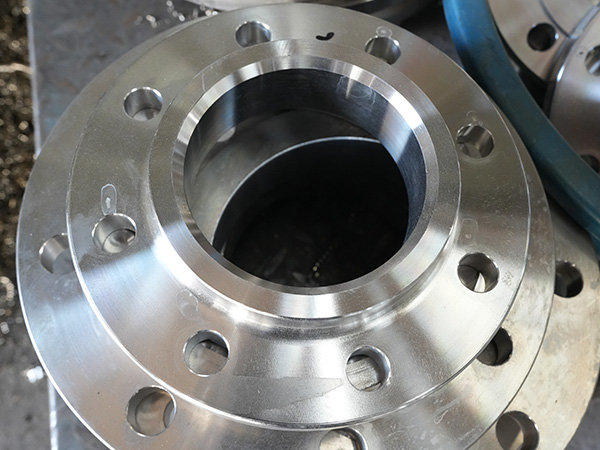
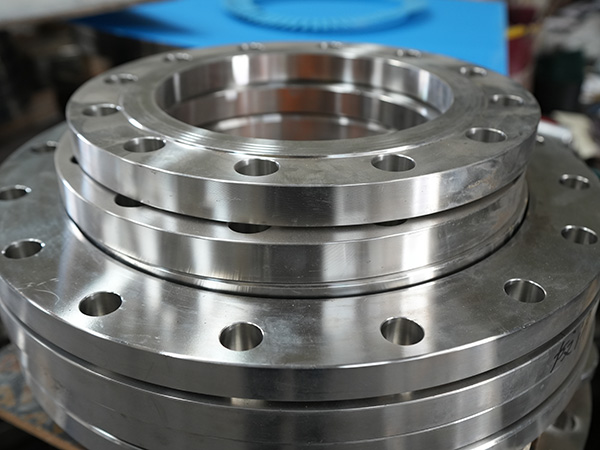
A slip‑on pipe flange is a flat, ring‑shaped fitting thatslips over the end of a pipebefore being welded in place. It has a slightly larger inner diameter than the outer diameter of the pipe, allowing it to slide easily onto the pipe end. Unlike weld‑neck flanges, which have a long tapered hub for high‑stress applications, slip‑on flanges feature a low profile and simple design. They are typically welded bothinside and outsideto create a strong, leak‑proof joint.
Key Advantages of Slip‑On Pipe Flanges
1. Easy & Fast Installation
Slip‑on flanges require less precise pipe cutting and alignment compared to other flanges. They slide onto the pipe smoothly, reducing installation time and labor costs.
2. Cost‑Effective
Their simple design and lower material usage make slip‑on flanges more affordable than weld‑neck or blind flanges, especially for large‑scale projects.
3. Versatile Design
Available in multiple sizes, pressure ratings, and materials, they adapt to countless low‑to‑medium pressure applications.
4. Space‑Saving Profile
Their compact shape works well in tight spaces where larger flanges may not fit.
5. Suitable for Both Low‑Pressure & General Applications
Ideal for systems where high structural strength is not the primary requirement.
Common Standards & Pressure Ratings
Slip‑on pipe flanges are manufactured according to global industrial standards to ensure compatibility and reliability:
·ANSI/ASME B16.5
·ASME B16.47
·DIN
·JIS
·BS10
Common pressure classes include:
·Class 150
·Class 300
·Class 600 (higher‑pressure variants)
Always select the correct class based on your system’s operating pressure and temperature.
Popular Materials for Slip‑On Flanges
The material choice directly impacts corrosion resistance, temperature tolerance, and lifespan.
Carbon Steel
A105
Used in general industrial, oil, gas, and water systems
Stainless Steel
304 / 304L
316 / 316L
Excellent corrosion resistance for chemical, food, and marine environments
Alloy Steel
For high‑temperature and high‑pressure applications
Other Materials
Cast iron
Duplex steel
Titanium
Applications of Slip‑On Pipe Flanges
Slip‑on flanges are used across nearly every industry that uses piping systems:
·Oil & gas pipelines
·Water supply & wastewater treatment
·Chemical & petrochemical plants
·Power plants & utility systems
·HVAC systems
·Food & beverage processing
·Pharmaceutical facilities
·General manufacturing & mechanical engineering
They perform best inlow‑to‑medium pressuresystems with moderate temperatures.
Slip‑On Flange vs. Weld‑Neck Flange
Many engineers compare these two common flange types. Here’s a quick breakdown:
Slip‑On Flange
·Slides over pipe
·Lower cost
·Easier installation
·Better for low‑medium pressure
·Less welding precision required
Weld‑Neck Flange
·Has a long hub for reinforced strength
·Higher pressure & temperature rating
·More durable in extreme conditions
·Higher cost
·Used in critical, high‑stress systems
Choose slip‑on flanges for standard, non‑critical lines; use weld‑neck for heavy‑duty, high‑pressure applications.
Installation Best Practices
To ensure a safe, long‑lasting connection:
·Slide the flange fully onto the pipe end.
·Position the flange at the correct depth for proper alignment.
·Performboth inside and outside weldingfor strength.
·Clean the mating surface before assembly.
·Use a high‑quality gasket compatible with your medium.
·Tighten bolts evenly in a cross pattern to avoid distortion.
·Inspect for leaks after installation and pressure testing.
How to Select the Right Slip‑On Pipe Flange
Before ordering, confirm these details:
·Pipe size (nominal diameter)
·Pressure class
·Material grade
·Face type (flat face, raised face, etc.)
·Standard (ANSI, DIN, JIS, etc.)
·Operating temperature & medium
Working with a professional flange manufacturer ensures you receive the correct product for your system.
Conclusion
Slip‑on pipe flanges are a reliable, economical, and practical solution for countless industrial piping applications. Their simple design, easy installation, and wide availability make them a staple in piping systems worldwide. Whether you are replacing old flanges, designing a new pipeline, or sourcing components for a large project, selecting high‑quality slip‑on flanges from a trusted supplier is essential for safety and performance. If you need expert advice on sizing, materials, or custom slip‑on flanges, our team is ready to support your project requirements.
References
GB/T 7714:Pipe Flanges and Flanged Fittings (NPS 1/2 through NPS 24). American Society of Mechanical Engineers.
MLA:Piping and Pipeline Calculations Manual: Construction, Design, Fabrication, and Examination. Butterworth-Heinemann
APA:Flange Basics. In Pipe Drafting and Design (pp. 56–78). Gulf Professional Publishing
 Recommended Products
 Contact us
—— Contact:Manager
—— Tel:+86 15231788966
—— Email:info@zhantongpipe.com
—— Url:https://www.zhantongpipe.com
—— Address:Mengcun Hui Autonomous County, Cangzhou City, Hebei Province