
NewsDetails
Stainless Steel Pipe Flange Explained: Functions and Industrial Applications
author:Zhantong time:2026-04-21 10:58:30 Click:62
Stainless steel pipe flanges are among the most crucial components in modern piping systems, with wide applications across industries including oil and gas, chemical processing, water treatment, shipbuilding, and power generation. Despite their seemingly simple metal ring appearance, they play a pivotal role in ensuring secure, leak-free, and maintainable pipeline connections. This article elaborates on what stainless steel pipe flanges are, their core functions, and their common applications in industrial systems.

What Is a Stainless Steel Pipe Flange?
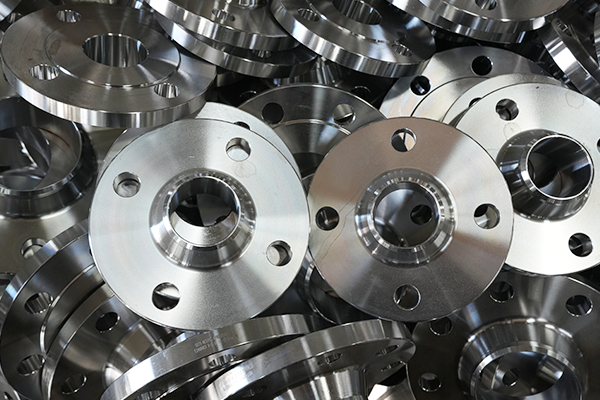
A stainless steel pipe flange is a mechanical part used to connect pipes, valves, pumps, and other equipment in a piping system. It is usually circular, featuring evenly spaced bolt holes that allow two flange faces to be tightly fastened together with bolts, with a gasket placed between them. Stainless steel is the preferred material for flanges due to its superior corrosion resistance, high structural strength, and ability to perform reliably under extreme temperature and pressure conditions. Common stainless steel grades utilized include 304, 316, and 316L, which are selected based on the specific requirements of the application environment. Unlike welded joints, flanged connections are detachable, making them well-suited for systems that require regular inspection, cleaning, or maintenance work.
Key Functions of Stainless Steel Pipe Flanges
Ensuring Secure Pipe Connections: The primary function of a stainless steel pipe flange is to establish a robust and stable connection between different sections of piping. By bolting two flanges together with a gasket, the system forms a tight seal that prevents the leakage of liquids or gases.
Facilitating Easy Maintenance and Inspection: One of the greatest advantages of flanged connections is their removability. Unlike permanent welded joints, flanges can be easily unbolted, enabling technicians to access the internal parts of the pipeline for maintenance, inspection, or component replacement.
Supporting High-Pressure and High-Temperature Systems: Stainless steel flanges are engineered to withstand harsh operating conditions. In industries such as petrochemical and power generation, pipelines often operate under high pressure and extreme temperatures, and stainless steel flanges ensure the structural integrity and safety of the system.
Connecting Various Pipeline Components: Flanges serve as a key connection point for integrating different system components, such as valves, pumps, filters, and pressure vessels, making them essential in complex industrial piping networks.
Providing System Flexibility: Since pipelines may need to be expanded, modified, or rerouted, flanges offer flexibility in system design. Engineers can easily add or remove pipeline sections without the need for major reconstruction work.
Main Types of Stainless Steel Pipe Flanges
Different industrial applications demand different flange designs. Some of the most commonly used types are as follows:
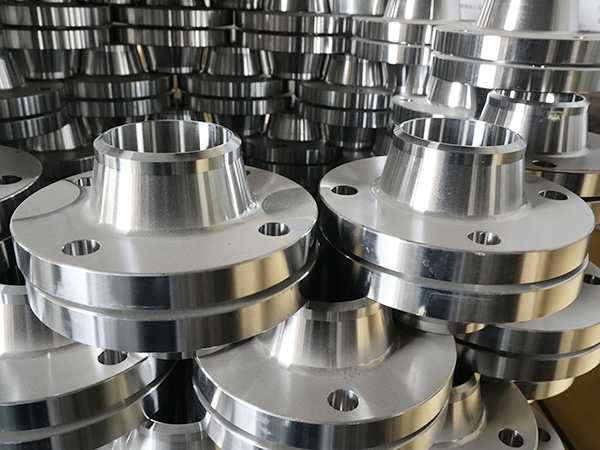
Weld Neck Flange: Perfect for high-pressure systems, thanks to its strong welded connection and uniform stress distribution.
Slip-On Flange: Easier to install and commonly employed in low-pressure applications.
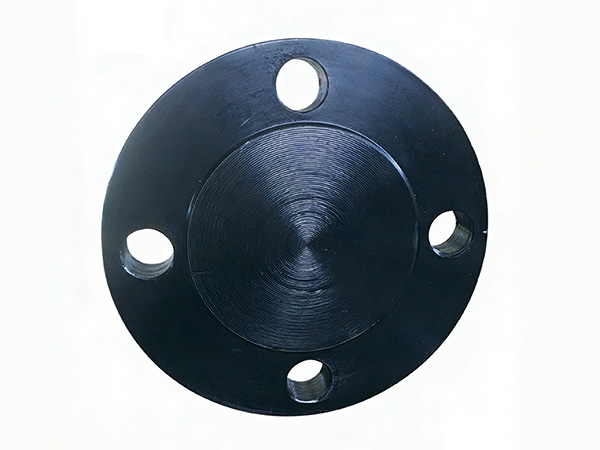
Blind Flange: Used to seal the end of a pipeline or an opening in a pressure vessel.
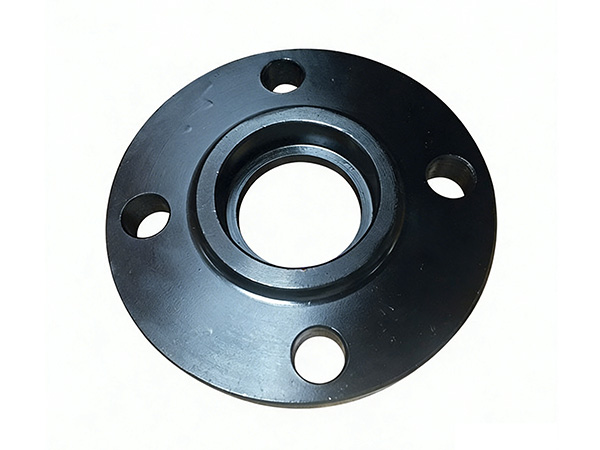
Socket Weld Flange: Suitable for small-diameter, high-pressure pipelines.
Threaded Flange: Enables connection without welding and is often used in low-pressure systems.
Each type is chosen based on factors such as pressure rating, pipe size, fluid type, and installation requirements.
Industrial Applications of Stainless Steel Pipe Flanges
Oil and Gas Industry
In both upstream and downstream oil and gas operations, stainless steel flanges are used to connect pipelines that transport crude oil, natural gas, and refined products. Their corrosion resistance and ability to handle high pressure make them ideal for harsh offshore and onshore environments.
Chemical Processing Industry
Chemical plants handle highly corrosive substances such as acids, alkalis, and solvents. Stainless steel pipe flanges—especially those made from 316 and 316L grades—are widely used to prevent corrosion-related failures and ensure safe operation.
Water Treatment Systems
Municipal water treatment plants and desalination facilities rely on flanged piping systems for pumps, filters, and distribution lines. Stainless steel ensures a long service life and hygienic performance.
Power Generation Plants
In thermal, nuclear, and renewable energy plants, flanges are used in steam lines, cooling systems, and turbine connections. Their ability to withstand high temperatures and pressures is crucial for operational safety.
Marine and Shipbuilding
Saltwater environments are highly corrosive, making stainless steel flanges the preferred choice for ship pipelines, offshore platforms, and marine engineering systems.
Advantages of Using Stainless Steel Pipe Flanges
Utilizing stainless steel pipe flanges offers several significant benefits:
Superior corrosion resistance
High strength and durability
Long service life with minimal maintenance needs
Easy installation and disassembly
Compatibility with various piping systems
Suitability for extreme operating environments
Despite their higher initial cost compared to carbon steel alternatives, these advantages make stainless steel pipe flanges a cost-effective solution in the long run.
Conclusion
Stainless steel pipe flanges play a vital role in ensuring the safety, efficiency, and flexibility of modern piping systems. Their ability to provide strong yet detachable connections makes them indispensable across industries such as oil and gas, chemical processing, water treatment, and power generation. Selecting the right type and grade of stainless steel flange is essential for optimal system performance and long-term reliability. Whether for high-pressure pipelines or corrosive environments, stainless steel pipe flanges remain one of the most trusted solutions in industrial engineering.
References
GB/T 7714:Material Selection and Corrosion Resistance of Stainless Steel Pipe Flanges for Industrial Applications. Journal of Materials Engineering and Performance
MLA:Design Optimization and Performance Evaluation of Stainless Steel Flange Types for High-Pressure Piping Systems. ASME Journal of Pressure Vessel Technology
APA:Sealing Performance and Maintenance of Stainless Steel Pipe Flanges in Oil and Gas Industry. Journal of Petroleum Science and Engineering
 Recommended Products
 Contact us
—— Contact:Manager
—— Tel:+86 15231788966
—— Email:info@zhantongpipe.com
—— Url:https://www.zhantongpipe.com
—— Address:Mengcun Hui Autonomous County, Cangzhou City, Hebei Province