
NewsDetails
Steel Welding Plate Flange: Types, Materials, and Industrial Applications
author:Zhantong time:2026-04-28 18:28:47 Click:111
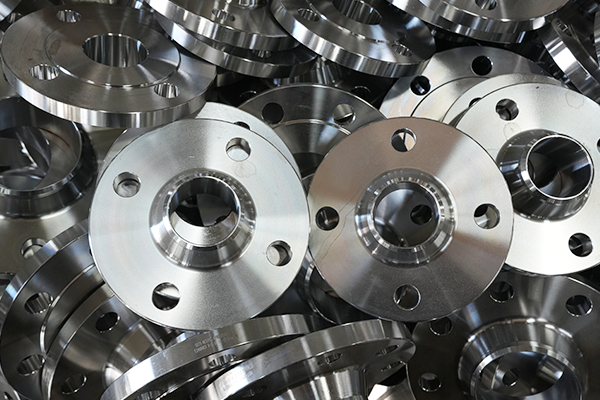
Steel welding plate flanges are vital components in modern piping systems, extensively utilized to connect pipes, valves, pumps, and other related equipment. Renowned for their robustness, long service life, and straightforward installation process, these flanges play a pivotal role in ensuring leak-proof and stable connections across a wide range of industries. This article delves into the main types of steel welding plate flanges, their commonly used materials, and their diverse industrial applications.


What Is a Steel Welding Plate Flange?
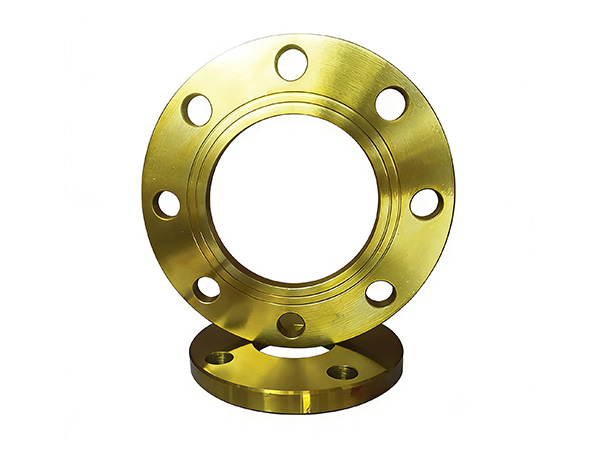
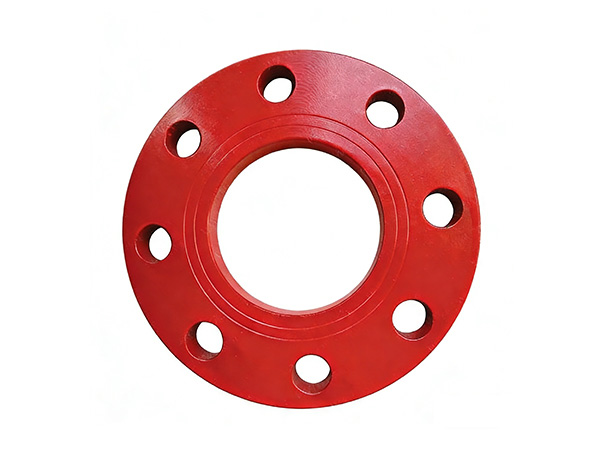
A steel welding plate flange—often simply called a plate flange or flat flange—is a circular steel disc that is directly welded onto a pipe. It features a flat surface designed for bolting to another flange, creating a secure and tight seal with the assistance of a gasket. These flanges are particularly well-suited for low to medium pressure systems and are highly regarded for their cost-efficiency and uncomplicated design.
Types of Steel Welding Plate Flanges
Steel welding plate flanges are available in several variants to cater to different engineering needs and operational conditions:
1. Flat Face (FF) Flange
This type of flange boasts a flat sealing surface and is usually employed in systems where the mating flange also has a flat face. It is commonly found in low-pressure applications such as municipal water supply systems.
2. Raised Face (RF) Flange
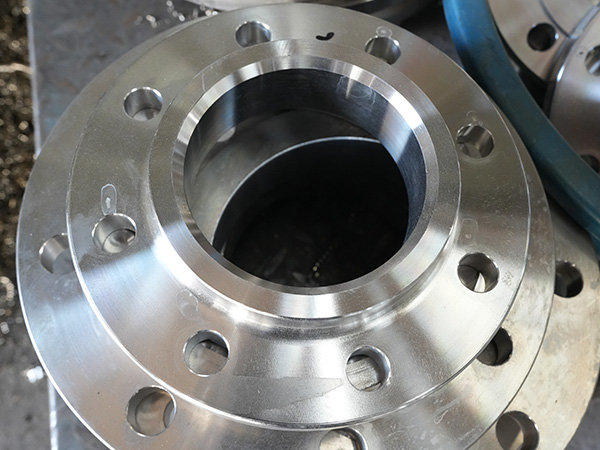
Raised face flanges have a slightly elevated sealing surface, which helps concentrate pressure on the gasket and thereby enhances sealing performance. They are widely used in general industrial piping systems.
3. Slip-On Plate Flange
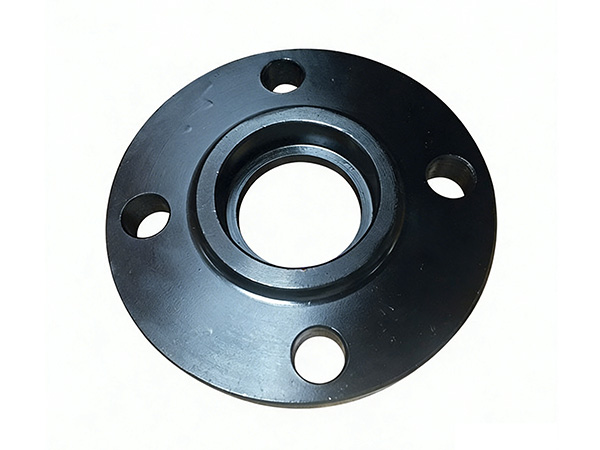
Though slightly different in structure, slip-on flanges are closely associated with plate flanges. They slide over the pipe and are welded both internally and externally, providing excellent strength and alignment.
4. Customized Plate Flanges
Manufacturers frequently produce non-standard plate flanges tailored to specific project requirements, including special dimensions, drilling patterns, or surface treatment processes.
Common Materials Used
The performance of a welding plate flange is largely determined by the material it is made of. Some of the most commonly used materials are as follows:
Carbon Steel
Carbon steel plate flanges are the most widely adopted due to their outstanding strength, affordability, and versatility. They are suitable for a wide range of general industrial applications.
Stainless Steel
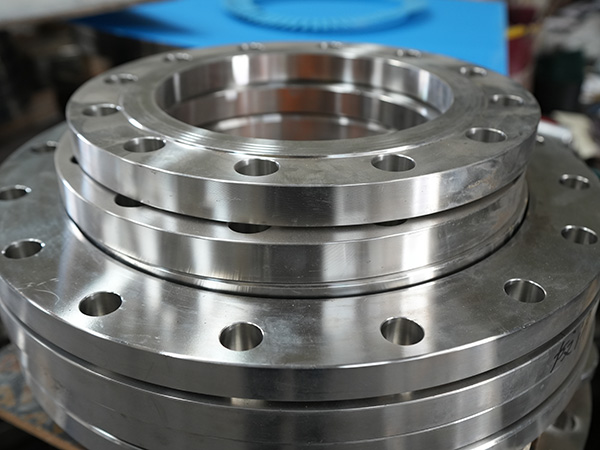
Stainless steel flanges offer superior corrosion resistance, making them ideal for use in chemical processing, food industries, and environments exposed to moisture or corrosive substances.
Alloy Steel
Alloy steel flanges are specifically designed for high-temperature and high-pressure applications. They provide enhanced mechanical properties and improved resistance to wear and corrosion.
Duplex Steel
Duplex stainless steel combines high strength with excellent corrosion resistance, making it particularly suitable for marine and offshore environments.
Key Advantages
Steel welding plate flanges offer a number of significant benefits:
Simple structure and easy installation process
Cost-effective in comparison to more complex flange types
Strong and reliable connection performance
Suitable for a wide range of pipe sizes
Easy to replace and maintain
Industrial Applications
Due to their adaptability and excellent performance, steel welding plate flanges are used in numerous industries:
Oil and Gas Industry
They are used in pipeline systems for transporting oil, gas, and petroleum products, where secure and leak-proof connections are of utmost importance.
Water Treatment Systems
They are common in municipal water supply, wastewater treatment, and irrigation systems, thanks to their reliability and easy installation.
Chemical Processing
Stainless steel plate flanges are widely applied in chemical plants, where corrosion resistance is a critical requirement.
Power Generation
They are used in thermal power plants and other power generation facilities for connecting steam, water, and gas pipelines.
Construction and Infrastructure
They are applied in HVAC systems, fire protection pipelines, and general building service systems.
How to Choose the Right Flange
When selecting a steel welding plate flange, the following factors should be taken into consideration:
Operating pressure and temperature conditions
Type of fluid or gas being transported
Corrosion resistance requirements
Pipe size and standard specifications (such as ANSI, DIN, etc.)
Installation environment
Choosing the right material and type of flange ensures long-term performance and operational safety.
Conclusion
Steel welding plate flanges are indispensable components in modern piping systems. With a variety of types and materials available, they can be customized to meet diverse industrial needs. Their simplicity, durability, and cost-effectiveness make them a preferred choice for engineers and project managers around the world. Understanding their characteristics and applications will help you select the most suitable flange solution for your specific project.
References
GB/T 7714: Committee. Steel Pipe Flanges and Flanged Fittings[J]. American Society of Mechanical Engineers
MLA:European Committee for Standardization. EN 1092-1: Steel Flanges for Pipes, Valves, Fittings and Accessories
APA:Application of Duplex Stainless Steel Flanges in Marine and Offshore Piping Systems[C]. International Conference on Piping Systems and Equipment
 Recommended Products
 Contact us
—— Contact:Manager
—— Tel:+86 15231788966
—— Email:info@zhantongpipe.com
—— Url:https://www.zhantongpipe.com
—— Address:Mengcun Hui Autonomous County, Cangzhou City, Hebei Province