
NewsDetails
Sustainable Flange Manufacturing: Green Production Insights
author:Zhantong time:2025-11-11 16:47:06 Click:85
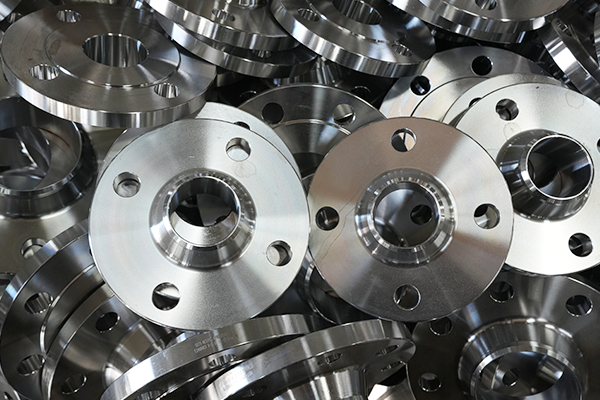
In today’s global industrial landscape, sustainability has become a decisive factor for competitiveness and long-term growth. The Flange Manufacturer community, once defined solely by strength and precision, is now redefining success through eco-friendly innovation. Reducing energy use, lowering emissions, and adopting clean technologies are no longer optional—they’re essential for meeting global climate targets and client expectations.
As international projects expand in scale, many companies are turning to experienced China suppliers and China manufacturers that can combine sustainability with bulk supply efficiency. This shift represents a new era where environmental responsibility aligns perfectly with cost-effectiveness and quality assurance.

1. Why Green Manufacturing Matters More Than Ever
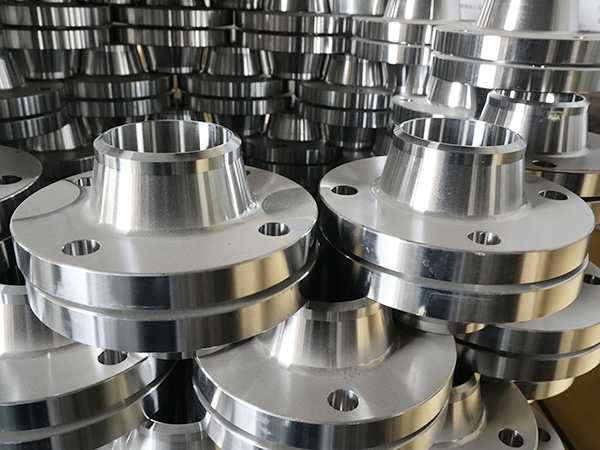
Flanges play a critical role in pipeline, energy, and heavy engineering sectors. However, their production—through forging, heat treatment, and machining—has historically been resource-intensive. Modern manufacturing trends are changing that.
Sustainable flange production offers multiple benefits:
·Lower carbon emissions by replacing fossil fuels with renewable or recycled energy sources.
·Material efficiency through intelligent cutting, recycling, and recovery systems.
·Improved compliance with global ESG and ISO 14001 standards.
·Enhanced corporate image that appeals to environmentally conscious clients.
A responsible Flange Manufacturer now balances mechanical performance with ecological responsibility—producing reliable components while minimizing environmental harm.
2. Using Greener Materials and Resource Optimization
Material science is at the heart of sustainable flange manufacturing. Instead of relying solely on newly mined alloys, modern producers integrate high-quality recycled steel into their supply chains.
Key green material practices include:
·Recycled Steel & Alloy Recovery: Capturing and reusing scrap from machining operations significantly reduces mining and smelting demands.
·Eco-Friendly Stainless Steel: Advanced grades maintain corrosion resistance while incorporating over 50% recycled content.
·Smart Machining Strategies: CNC precision cutting minimizes leftover waste and optimizes metal yield per billet.
Across Asia, several China suppliers have implemented closed-loop production systems—where every scrap, chip, or offcut is reprocessed. This approach supports sustainability while ensuring bulk supply consistency for international buyers.
3. Cleaner, Smarter Energy Systems in Production
Energy efficiency defines the next frontier of sustainable flange production. The energy-intensive stages—especially forging and heat treatment—are being revolutionized through new technologies:
·Induction Heating: A highly efficient method that transfers energy directly into the metal, lowering fuel use by up to 30%.
·Electric Furnaces with Heat Recovery: Modern electric arc furnaces recover waste heat for reuse in preheating materials or facilities.
·Automation and Robotics: Reducing idle operation time and improving machining precision, which cuts energy loss and rework rates.
These advancements allow any Flange Manufacturer to maintain production quality while achieving measurable reductions in carbon intensity.
4. Responsible Water and Waste Management
True sustainability extends beyond energy conservation—it also encompasses how a factory handles water and chemical resources.
Sustainable flange producers adopt:
·Closed-Loop Cooling Systems: Reusing process water instead of constant discharge.
·Low-VOC Coatings and Treatments: Water-based coatings replace solvent-based options, drastically cutting volatile emissions.
·Lubricant Recovery Units: Filtering and recycling coolants reduces hazardous waste.
Such initiatives not only protect local ecosystems but also lower operational costs—a key motivation for any China manufacturer seeking to meet green export standards.

5. Digital Transformation for Greener Outcomes
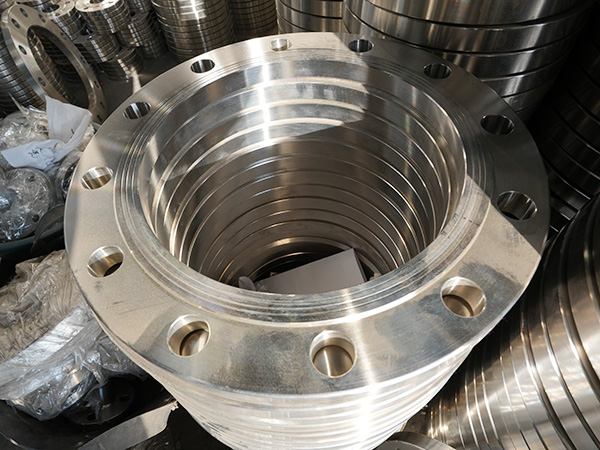
Digitalization has become a cornerstone of sustainability in metalworking. Smart monitoring and predictive analytics help factories manage their resources more intelligently.
Some examples include:
·IoT-Based Energy Tracking: Sensors identify power-hungry equipment for optimization.
·Predictive Maintenance: Prevents unplanned downtime and unnecessary energy use.
·AI Process Control: Optimizes machining parameters to minimize material loss.
·Transparent Data Reporting: Enables verifiable sustainability metrics for clients and auditors.
Digital tools empower manufacturers to make sustainability measurable rather than theoretical. A China supplier using real-time data systems can guarantee both consistency and traceability for bulk supply orders across multiple projects.
6. Packaging, Shipping, and Green Logistics
Environmental stewardship doesn’t end at the factory gate. Transport and packaging have their own carbon impact, especially for global shipments.
Green logistics strategies now focus on:
·Recyclable Packaging: Corrugated materials, reusable wooden crates, and biodegradable fillers.
·Shipment Consolidation: Bulk export models that reduce transport frequency and fuel usage.
·Optimized Routing: Using data-driven logistics to shorten delivery distances.
These measures make international trade more efficient while reinforcing the brand reputation of every responsible Flange Manufacturer.
7. Building Sustainable Partnerships Across the Supply Chain
A truly sustainable flange operation depends on collaboration. Manufacturers are increasingly evaluating partners and suppliers based on their environmental performance, not just cost.
Essential attributes of a sustainable partner include:
ISO 14001 or similar environmental certifications.
Proven waste reduction and recycling programs.
Ethical sourcing of raw materials.
Transparency in energy reporting and emissions data.
Working with an established China manufacturer that already integrates these systems into production ensures consistent bulk supply and compliance with global sustainability benchmarks.
Conclusion — The Future of Green Flange Manufacturing
Sustainability in flange production is no longer a trend—it’s the foundation of industrial progress. By adopting recycled materials, efficient energy systems, smart digital tools, and responsible logistics, modern manufacturers are shaping a greener future for the metalworking industry.
For global buyers, collaborating with a certified Flange Manufacturer—particularly a China supplier capable of large-scale, bulk supply with verified environmental compliance—ensures reliable performance without compromising ecological integrity.
Green flange manufacturing isn’t just about reducing emissions; it’s about building an enduring, responsible supply chain that benefits both business and the planet.
GB/T 7714: MLA: APA:
References
GB/T 7714:Lahri V, Virmani N, Jagtap S. Sustainability framework for manufacturing in the steel industry: emphasis on eco-centric and sociocentric dimensions[J]. Discover Sustainability, 2025, 6(1): 743.
MLA:Lahri, Vijay, Naveen Virmani, and Sandeep Jagtap. "Sustainability framework for manufacturing in the steel industry: emphasis on eco-centric and sociocentric dimensions." Discover Sustainability 6.1 (2025): 743.
APA:Lahri, V., Virmani, N., & Jagtap, S. (2025). Sustainability framework for manufacturing in the steel industry: emphasis on eco-centric and sociocentric dimensions. Discover Sustainability, 6(1), 743.
 Recommended Products
 Contact us
—— Contact:Manager
—— Tel:+86 15231788966
—— Email:info@zhantongpipe.com
—— Url:https://www.zhantongpipe.com
—— Address:Mengcun Hui Autonomous County, Cangzhou City, Hebei Province