
NewsDetails
Understanding Flange Types and Their Industrial Applications
author:David Miller time:2026-11-07 13:54:58 Click:0
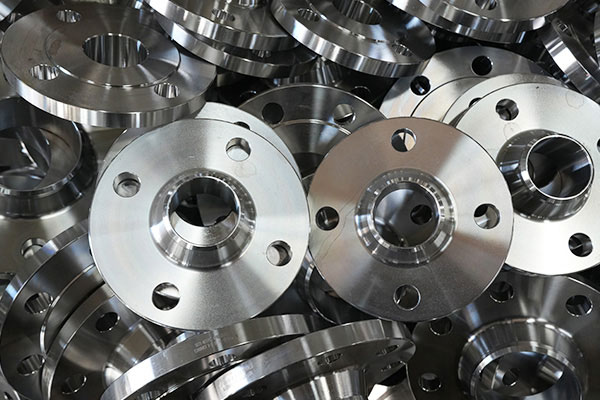
Flanges are among the most widely used connecting elements in industrial piping systems. They provide a bolted joint that allows easy assembly, disassembly and maintenance. Understanding the different flange types and their proper application is essential for piping engineers, procurement teams and maintenance personnel.
1. What Is a Flange?
A flange is a rim or ridge at the end of a pipe that connects it to another pipe, valve, pump or equipment. Two flanges are bolted together with a gasket between them to create a sealed joint that can be easily separated when needed.
2. Common Flange Types
- Weld Neck Flange (WNF) — has a long tapered hub and is butt-welded to the pipe. Ideal for high pressure, high temperature and cyclic loading applications.
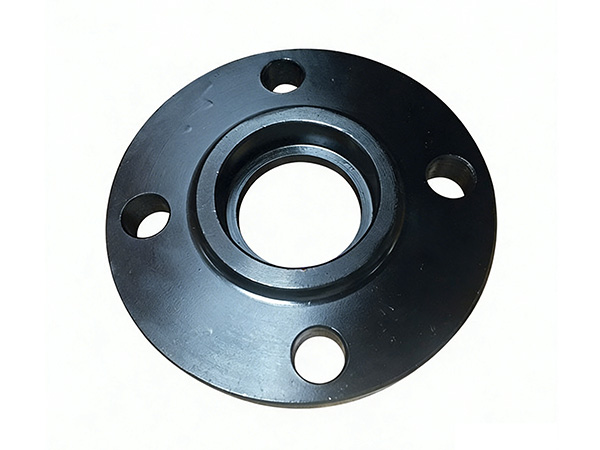
- Slip-On Flange (SOF) — slides over the pipe and is fillet-welded. Easier to align and more economical for low pressure services.
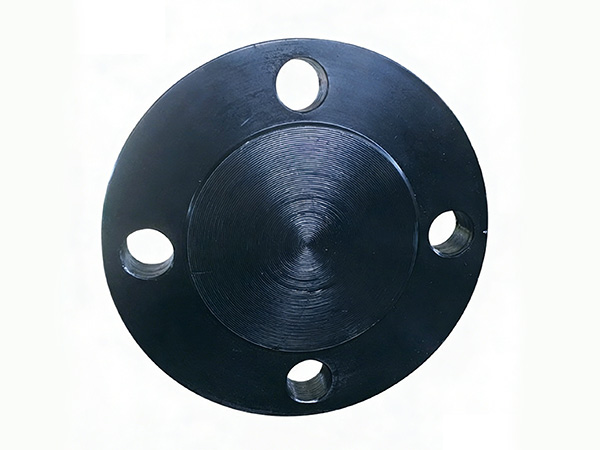
- Blind Flange — a solid disk used to close the end of a pipe, valve or vessel nozzle. Allows easy access for future expansion.
- Threaded (Screwed) Flange — used with small bore pipe and thin wall tubing, typically for low pressure.
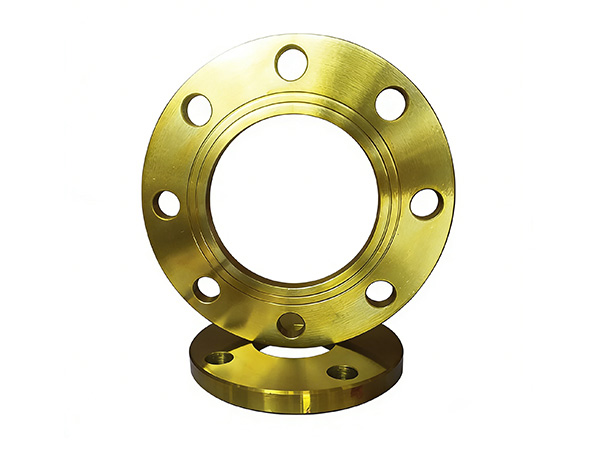
- Lap Joint Flange — used with a stub end, allows easy alignment of bolt holes without rotating the pipe.
3. Pressure Ratings
Flanges are rated by pressure class in accordance with ASME B16.5. Common classes include 150#, 300#, 600#, 900#, 1500# and 2500#. The allowable pressure decreases as temperature rises, so always consult the pressure-temperature rating chart for the specific material and class.
4. Material Selection
Flanges are available in carbon steel (A105), stainless steel (304/316L), alloy steel (F11, F22) and other materials. The choice depends on the fluid being conveyed, operating temperature and environmental conditions.
Flange Face Types and Gasket Selection
The flange face type determines which gasket to use. Raised Face (RF) is the most common and works with spiral wound or ring gaskets. Flat Face (FF) is used for cast iron and low-pressure applications. Ring Type Joint (RTJ) uses oval or octagonal metal rings for high-pressure, high-temperature service. Choosing the wrong gasket leads to leakage.
Flange Face Types and Gasket Selection
The flange face type determines which gasket to use. Raised Face (RF) is the most common and works with spiral wound or ring gaskets. Flat Face (FF) is used for cast iron and low-pressure applications. Ring Type Joint (RTJ) uses oval or octagonal metal rings for high-pressure, high-temperature service. Choosing the wrong gasket leads to leakage, so always match gasket material and dimensions to the flange face. The surface finish of the flange also matters — RF faces typically have a 125–250 AARH roughness that allows the gasket to bite without leaking.
Flange Material Selection Guide
Flanges are available in a range of materials, each suited to different services. Carbon steel (A105) is the standard for general purpose piping. Stainless steel (304/316L) provides corrosion resistance for chemical and food-grade applications. Alloy steel (F11, F22) handles high temperature and high pressure. For sour service, NACE MR0175 compliant materials are required. Always match the flange material to the pipe material and the fluid being conveyed.
| Flange Type | Best For | Pressure Range |
|---|---|---|
| Weld Neck | High pressure, cyclic service | 150# to 2500# |
| Slip-On | Low pressure, general service | 150# to 600# |
| Blind | Closing pipe ends, future expansion | All classes |
| Lap Joint | Easy bolt alignment, stainless systems | 150# to 600# |
Flange Selection FAQ
Answers to the most common questions about selecting flanges for industrial piping.
- What is the difference between Weld Neck and Slip-On flanges? — Weld Neck has a tapered hub for high-stress, cyclic and high-temperature service. Slip-On slides over the pipe and is fillet welded — cheaper but lower strength. Use WN for critical service, SO for low-pressure general use.
- Which flange face type do I need? — Raised Face (RF) is the most common for general industrial service. Flat Face (FF) for cast iron and low-pressure systems. Ring Type Joint (RTJ) for high-pressure, high-temperature oil and gas service.
- How do I choose the right flange pressure class? — The flange must be rated for at least the design pressure at your operating temperature. Remember that pressure ratings decrease as temperature rises — always check the rating chart.
- Can I use carbon steel flanges for stainless steel piping? — You can, but the gasket must be compatible. However, for hygienic or corrosive service, use matching material flanges to avoid galvanic corrosion.
- Do flanges require gaskets? — Yes, all flange joints need a gasket. The gasket material must be compatible with the fluid, temperature and pressure. Never reuse a gasket — always install a new one.
Flange Installation Best Practices
Proper flange installation ensures leak-free service. Key tips: clean the flange faces thoroughly before assembly, align bolt holes within 1.5 mm offset, insert the gasket without twisting, and torque bolts in a crisscross pattern (star pattern) to evenly compress the gasket. Over-tightening can warp the flange and cause leaks.
Writer David Miller
David Miller is a technical writer and engineer with over 12 years of experience in the industry. He specializes in technical documentation, product specification and application engineering. David Miller holds a Bachelor's degree in Mechanical Engineering and has contributed to numerous technical publications on pipeline design, corrosion protection and industrial solutions.
 Recommended Products
 Contact us
—— Contact:Manager
—— Tel:+86 15231788966
—— Email:info@zhantongpipe.com
—— Url:https://www.zhantongpipe.com
—— Address:Mengcun Hui Autonomous County, Cangzhou City, Hebei Province