
NewsDetails
Carbon Steel Pipe vs Stainless Steel Pipe: A Practical Comparison
author:David Miller time:2026-11-15 17:17:27 Click:0
Choosing between carbon steel and stainless steel pipe is a common decision in piping design. Each material has distinct advantages depending on the fluid, environment and budget.
1. Carbon Steel Pipe
Carbon steel (A106 Gr.B, A53) is the workhorse of industrial piping. It is strong, readily available and cost-effective.
- Advantages: low cost, high strength, easy to weld and machine.
- Disadvantages: corrodes in moist or corrosive environments.
- Best for: oil, gas, steam, water and general process piping.
2. Stainless Steel Pipe
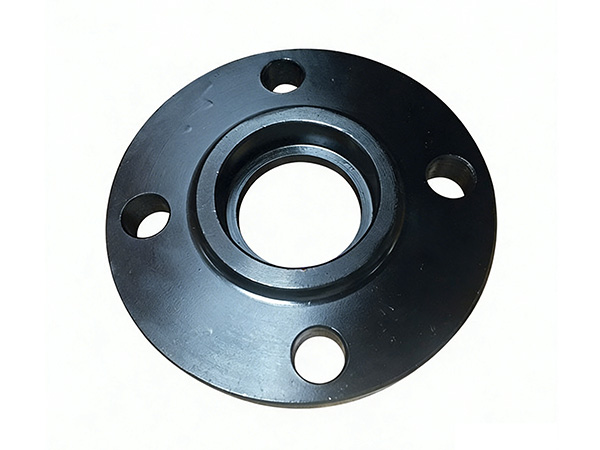
Stainless steel (304/304L, 316/316L) contains chromium for corrosion resistance.
- Advantages: excellent corrosion resistance, hygienic, good for high temperature.
- Disadvantages: higher cost, more difficult to weld, more expensive.
- Best for: food, pharmaceutical, chemical, marine and high-purity applications.
3. Decision Factors
- Fluid corrosivity — corrosive fluids favor stainless.
- Budget — carbon steel is much cheaper.
- Temperature — stainless performs better at high temperature.
- Hygiene requirements — food/pharma require stainless.
Cost Comparison: CS vs SS Pipe
Stainless steel pipe typically costs 3–5 times more than carbon steel of the same size. However, in corrosive service, stainless steel's longer life and lower maintenance can offset the initial cost. Always evaluate total cost of ownership, not just purchase price.
Cost Comparison: CS vs SS Pipe
Stainless steel pipe typically costs 3–5 times more than carbon steel of the same size. However, in corrosive service, stainless steel's longer life and lower maintenance can offset the initial cost. Always evaluate total cost of ownership, not just purchase price. For mild, non-corrosive applications, carbon steel with external coating is usually the most economical choice.
When to Choose Stainless Steel
Stainless steel is worth the premium in these situations: corrosive fluids (chemicals, acids, saline water), hygienic applications (food, pharmaceutical, semiconductor), high temperature service, outdoor or corrosive environments, and when long-term durability is required. For general water, gas and oil piping, carbon steel is almost always the better economic choice.
| Factor | Carbon Steel | Stainless Steel |
|---|---|---|
| Relative cost | 1× (baseline) | 3–5× |
| Corrosion resistance | Poor (needs coating) | Excellent |
| Typical life | 20–30 years (coated) | 40+ years |
| Best for | Water, gas, oil | Chemical, food, pharma |
Carbon Steel vs Stainless Steel FAQ
Answers to the most common questions about choosing between carbon steel and stainless steel pipe.
- How much more expensive is stainless steel? — Stainless steel pipe typically costs 3–5 times more than carbon steel of the same size and schedule. However, in corrosive service, stainless steel's longer life can offset the initial cost.
- When should I use stainless steel pipe? — Use stainless steel for: corrosive fluids (chemicals, acids, saline water), hygienic applications (food, pharmaceutical, semiconductor), high temperature service, and outdoor or corrosive environments.
- Can I use carbon steel with coating instead of stainless? — Yes, for mild, non-corrosive applications. Epoxy-coated carbon steel works well for water and low-pressure gas. But for aggressive chemicals, stainless steel is the safer long-term choice.
- Which stainless grade is best? — 304 is the general-purpose grade for mild corrosion resistance. 316L has molybdenum for better chloride and acid resistance. For high-temperature service, 321 or 347 are stabilized grades.
- Is stainless steel pipe always seamless? — No, stainless steel pipe is available in both seamless and welded (ERW) versions. Welded stainless is cheaper but may have a weld bead that needs polishing for hygienic applications.
Total Cost of Ownership Comparison
When comparing carbon steel vs stainless steel, consider the total cost over 20 years, not just purchase price. Stainless steel may cost 3–5 times more upfront, but it may last 2–3 times longer with zero corrosion maintenance. For corrosive applications, stainless steel often wins on lifetime cost.
Writer John Anderson
John Anderson is a technical writer and engineer with over 12 years of experience in the industry. He specializes in technical documentation, product specification and application engineering. John Anderson holds a Bachelor's degree in Mechanical Engineering and has contributed to numerous technical publications on pipeline design, corrosion protection and industrial solutions.
 Recommended Products
 Contact us
—— Contact:Manager
—— Tel:+86 15231788966
—— Email:info@zhantongpipe.com
—— Url:https://www.zhantongpipe.com
—— Address:Mengcun Hui Autonomous County, Cangzhou City, Hebei Province