
NewsDetails
Common Pipe Materials for Water Supply Systems
author:David Miller time:2026-11-18 19:04:41 Click:0
Water supply systems use a range of pipe materials, each chosen for its pressure rating, corrosion resistance, cost and installation method. The right material depends on the application and local conditions.
1. Steel Pipe
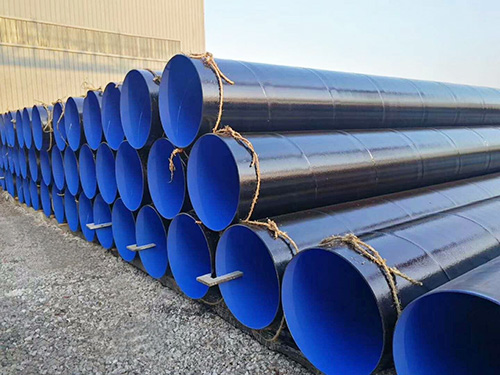
Steel pipe (often with internal cement mortar lining or epoxy coating) is used for large-diameter water transmission mains. It is strong, available in long lengths and can handle high pressure.
2. Ductile Iron Pipe
Ductile iron pipe is the traditional choice for municipal water distribution. It is strong, durable and easy to join with push-on or flanged joints.
3. HDPE and PVC Pipe
- HDPE — flexible, corrosion-proof, fused joints. Used for buried and trenchless installation.
- PVC — light, smooth, easy to install. Common in building plumbing and small distribution lines.
4. Selection Factors
- Pressure and flow requirements.
- Soil corrosivity and burial depth.
- Water quality (potable vs reclaimed).
- Installation method (open trench, trenchless, above ground).
Joining Methods for Plastic and Steel Pipe
HDPE pipe is joined by heat fusion or electrofusion. PVC uses solvent cement. Steel pipe uses threaded, welded or flanged connections. When transitioning between plastic and steel, use mechanical transition couplings or flange adapters.
Joining Methods for Plastic and Steel Pipe
HDPE pipe is joined by heat fusion or electrofusion, creating a permanent leak-free joint. PVC uses solvent cement. Steel pipe uses threaded, welded or flanged connections. When transitioning between plastic and steel, use mechanical transition couplings or flange adapters. Always follow the manufacturer's joining instructions and pressure test after installation.
Water Main Installation Best Practices
Installing a water main requires careful planning and execution. Key steps include: route survey and alignment, trench excavation with proper shoring, bed preparation with sand or gravel, pipe laying and jointing, backfilling in layers, pressure testing, disinfection, and final connection. Always follow local water authority standards and AWWA guidelines. Record all materials, joints and test results for the as-built dossier.
- Heat fusion (HDPE) — creates a monolithic joint, leak-proof.
- Solvent cement (PVC) — quick and easy, but requires cure time.
- Transition fittings — for plastic-to-steel connections.
- Pressure test — 1.5× working pressure, hold for 2–4 hours.
Water Supply Pipe Material FAQ
Answers to the most common questions about pipe materials for water supply systems.
- What is the best pipe material for water supply? — It depends on the application. For municipal water mains, ductile iron or steel with cement mortar lining is standard. For building plumbing, copper or PEX is common. For agricultural irrigation, PVC or HDPE is popular.
- Is PVC pipe safe for drinking water? — Yes, certified PVC pipe (NSF/ANSI 61) is safe for potable water. It is widely used in residential and municipal water systems. PVC is lightweight, corrosion-resistant and cost-effective.
- How long does HDPE pipe last? — HDPE pipe has an expected service life of 50–100 years underground. It is resistant to corrosion, chemical attack and root intrusion. The heat-fused joints are leak-free.
- Can I use galvanized steel for water? — Old galvanized steel pipes can leach zinc and rust into the water. They are being phased out in modern plumbing. For new installations, use copper, PEX or PVC instead.
- What about lead in water pipes? — Lead pipes are banned in new construction. If your home has old lead pipes, consider replacing them. Lead exposure can cause serious health problems, especially for children.
Pipe Material Comparison for Water
Here is a quick comparison: Copper — durable, corrosion-resistant, expensive, lasts 50+ years. PVC — cheap, lightweight, easy to install, lasts 40+ years. HDPE — flexible, leak-free joints, good for buried, lasts 50+ years. Ductile iron — strong, good for large mains, needs lining, lasts 50+ years.
Writer Michael Chen
Michael Chen is a technical writer and engineer with over 12 years of experience in the industry. He specializes in technical documentation, product specification and application engineering. Michael Chen holds a Bachelor's degree in Mechanical Engineering and has contributed to numerous technical publications on pipeline design, corrosion protection and industrial solutions.
 Recommended Products
 Contact us
—— Contact:Manager
—— Tel:+86 15231788966
—— Email:info@zhantongpipe.com
—— Url:https://www.zhantongpipe.com
—— Address:Mengcun Hui Autonomous County, Cangzhou City, Hebei Province