
NewsDetails
Pipe Installation Best Practices for Industrial Projects
author:David Miller time:2026-11-20 19:41:46 Click:0
Proper pipe installation ensures the system operates as designed, leaks less and lasts longer. Whether installing process piping, water lines or heating circuits, following best practices prevents costly rework.
1. Planning and Preparation
Before cutting or welding, review the P&ID, isometric drawings and piping specification. Confirm material, wall thickness, flange rating and connection type. Pre-fabricate spools in the shop when possible to reduce field work.
2. Handling and Storage
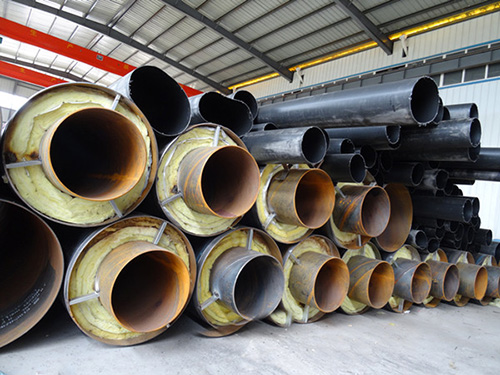
- Keep pipe ends capped to prevent dirt and moisture ingress.
- Store pipes on smooth supports, not directly on the ground.
- Lift with nylon slings, not steel chains that damage coating.
3. Welding and Joints
- Follow qualified WPS (Welding Procedure Specification).
- Clean bevels and remove oil before welding.
- Inspect radiographically or per code requirement.
4. Testing and Commissioning
- Pressure test (hydrostatic or pneumatic) before insulation and backfill.
- Flush and clean the line before introducing the product.
- Record test pressure, duration and results for the handover dossier.
Documentation for Pipeline Projects
Good documentation is essential for handover. Keep the P&ID, isometric drawings, material certificates, welding procedure specifications, NDT reports, pressure test records and as-built drawings organized. A complete dossier speeds up commissioning.
Documentation for Pipeline Projects
Good documentation is essential for handover. Keep the P&ID, isometric drawings, material certificates, welding procedure specifications, NDT reports, pressure test records and as-built drawings organized. A complete dossier speeds up commissioning and makes future maintenance easier. Always provide the client with both paper and digital copies.
Pre-Commissioning and Cleaning
Before putting a pipeline into service, it must be cleaned and flushed. Air blow, water flushing or pigging removes debris, welding spatter and construction dirt. For potable water lines, disinfection with chlorine or hyperchlorite is required. After cleaning, perform a pressure test, then disinfect and flush again. Record all steps and results for the commissioning dossier.
- Air blow — uses compressed air to push a pig through the line.
- Water flushing — high velocity water to remove debris.
- Disinfection — chlorine treatment for potable water lines.
- Pressure test — hydrostatic test at 1.5× working pressure.
Pipe Installation Best Practices FAQ
Answers to the most common questions about industrial pipe installation.
- What is the most important step in pipe installation? — Preparation is critical. Before welding, clean the pipe ends thoroughly (remove oil, rust, paint), bevel correctly, and align properly. Poor preparation leads to bad welds and leaks.
- How do I prevent pipe sagging? — Install supports at the correct spacing, and use additional supports at intermediate points. For long horizontal runs, consider using a slight upward slope to drain properly.
- Should I test pressure before insulation? — Yes, always hydrostatically test before installing insulation or backfilling. That way, any leaks are visible and easy to fix. Testing after insulation is much more difficult.
- What is the correct trench depth? — Burial depth depends on soil type, traffic load and local code. Typically 0.9–1.5 meters for water mains, deeper for highways. Always check local building codes.
- How do I clean the pipe before commissioning? — Air blow, water flushing or pigging removes debris and welding spatter. For potable water lines, disinfect with chlorine after cleaning. Record all cleaning steps for the commissioning dossier.
Installation Safety Checklist
Before starting any pipe installation project: confirm all drawings are approved, verify material certificates match the order, check all tools are calibrated, ensure welders are certified, and confirm the work area is safe (trench shoring, lockout/tagout, PPE required). Safety on site prevents accidents and delays.
Writer Michael Chen
Michael Chen is a technical writer and engineer with over 12 years of experience in the industry. He specializes in technical documentation, product specification and application engineering. Michael Chen holds a Bachelor's degree in Mechanical Engineering and has contributed to numerous technical publications on pipeline design, corrosion protection and industrial solutions.
 Recommended Products
 Contact us
—— Contact:Manager
—— Tel:+86 15231788966
—— Email:info@zhantongpipe.com
—— Url:https://www.zhantongpipe.com
—— Address:Mengcun Hui Autonomous County, Cangzhou City, Hebei Province