
NewsDetails
Steam Pipe Design and Insulation Guidelines
author:David Miller time:2026-11-22 19:52:47 Click:0
Steam is an efficient heat transfer medium used in process plants, hospitals and district heating. Proper steam pipe design prevents water hammer, reduces energy loss and ensures reliable operation.
1. Steam System Basics
A steam system includes a boiler, steam mains, branch lines, steam traps, condensate return and vents. The design must account for both the steam supply and the condensate that forms as steam cools.
2. Pipe Sizing
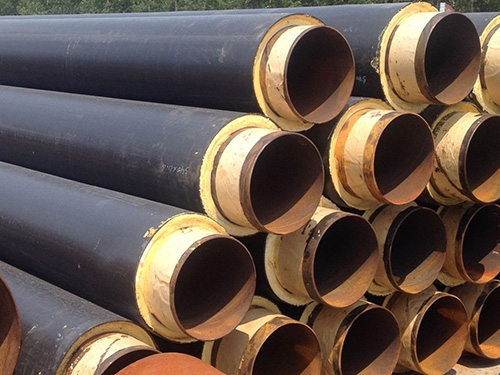
Size steam lines for a velocity of 25–40 m/s (saturated steam). Larger lines reduce pressure drop but cost more. Oversized piping wastes money; undersized piping causes wet steam and water hammer.
3. Insulation
Insulation is mandatory on steam lines. Use mineral wool, calcium silicate or polyurethane foam with an aluminum or stainless steel jacket. Proper insulation lowers surface temperature to below 50°C and reduces heat loss by 90% or more.
4. Drainage and Traps
- Install drip legs at low points and end of mains.
- Fit steam traps to remove condensate automatically.
- Provide expansion loops or bellows to absorb thermal growth.
Steam Trap Selection and Maintenance
Steam traps are critical for removing condensate from steam lines. There are three main types: mechanical, thermostatic and thermodynamic. Choose based on steam pressure, load and subcooling requirements. Inspect traps regularly for leaks or blockages.
Steam Trap Selection and Maintenance
Steam traps are critical for removing condensate from steam lines. There are three main types: mechanical (bucket, float), thermostatic (bimetallic, bellows) and thermodynamic (disc). Choose based on steam pressure, load and subcooling requirements. Inspect traps regularly for leaks or blockages — a failed trap wastes energy and causes water hammer.
Steam System Efficiency Tips
A well-designed steam system saves energy and reduces operating costs. Key tips: insulate all steam and condensate lines, install proper steam traps, use pressure reducing valves (PRVs) to match end-use pressure, recover condensate for boiler feedwater, and monitor steam consumption with meters. Regular maintenance of traps, valves and insulation keeps the system efficient for decades.
- Mechanical traps — bucket or float, high capacity, reliable.
- Thermostatic traps — bimetallic or bellows, adjustable subcooling.
- Thermodynamic traps — disc type, compact, handles wide pressure range.
- Condensate recovery — returns hot condensate to boiler, saves energy.
Steam Pipe Design FAQ
Answers to the most common questions about steam piping design and insulation.
- What pipe material should I use for steam? — Carbon steel (ASTM A106 Gr.B or A53) is standard for saturated steam up to 400°C. For superheated steam above 400°C, use alloy steel (A335 P11 or P22).
- How much insulation do I need? — Steam pipe insulation thickness depends on temperature and ambient conditions. Typical mineral wool or calcium silicate insulation is 50–100 mm thick. Proper insulation reduces energy loss and protects personnel.
- What is a steam trap and why do I need it? — Steam traps remove condensate from steam lines. Without them, condensate causes water hammer, reduces heat transfer and damages equipment. There are three types: mechanical, thermostatic and thermodynamic.
- How do I size a steam pipe? — Steam pipe sizing considers flow rate, pressure drop and velocity. Typical steam velocities are 20–40 m/s for saturated steam. Oversized pipe wastes material; undersized pipe causes excessive pressure drop.
- Do I need expansion joints? — Yes, steam pipes expand significantly as they heat up. Use expansion loops, bellows expansion joints or slip-type expansion joints to absorb thermal movement. Spring hangers support the pipe while allowing movement.
Steam System Efficiency Tips
A well-designed steam system saves energy and reduces operating costs. Key tips: insulate all steam and condensate lines, install proper steam traps, use pressure reducing valves (PRVs) to match end-use pressure, and recover condensate for boiler feedwater. Regular maintenance keeps the system efficient for decades.
Writer Robert Taylor
Robert Taylor is a technical writer and engineer with over 12 years of experience in the industry. He specializes in technical documentation, product specification and application engineering. Robert Taylor holds a Bachelor's degree in Mechanical Engineering and has contributed to numerous technical publications on pipeline design, corrosion protection and industrial solutions.
 Recommended Products
 Contact us
—— Contact:Manager
—— Tel:+86 15231788966
—— Email:info@zhantongpipe.com
—— Url:https://www.zhantongpipe.com
—— Address:Mengcun Hui Autonomous County, Cangzhou City, Hebei Province