
NewsDetails
Top Quality Standards for Industrial Plate Flanges You Should Know
author:Zhantong time:2026-04-16 16:08:20 Click:115
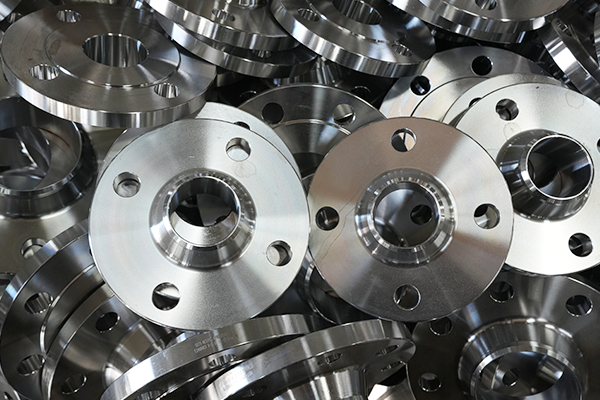
Industrial plate flanges play a vital role in piping systems across multiple industries, including oil and gas, petrochemicals, water treatment, and power generation. Their performance directly impacts the safety, sealing reliability, and service life of the entire pipeline system. For this reason, understanding the key quality standards for industrial plate flanges is indispensable for engineers, buyers, and project managers. This article breaks down the most important international standards, material requirements, and inspection criteria that should be taken into account when selecting industrial plate flanges.

1. What Are Industrial Plate Flanges?
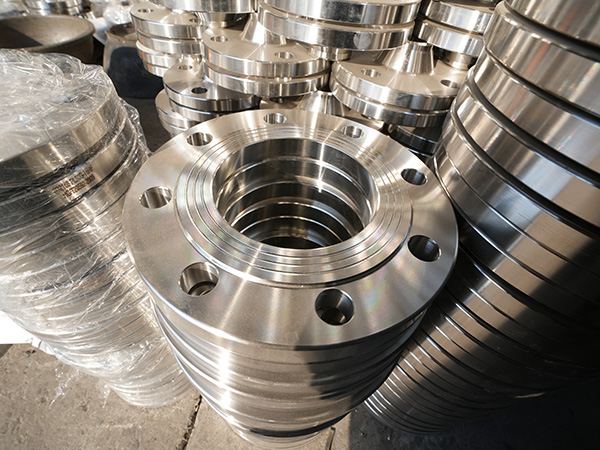
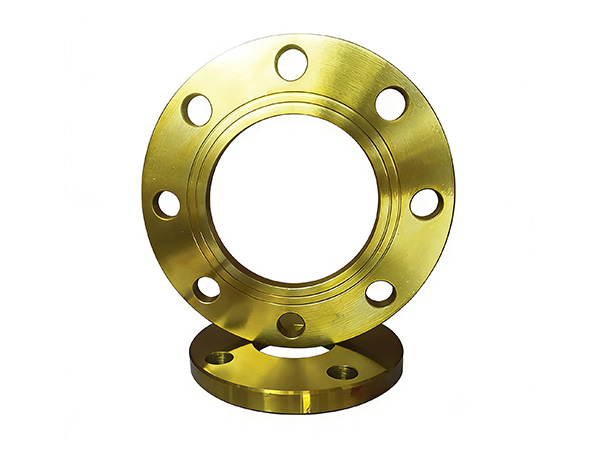
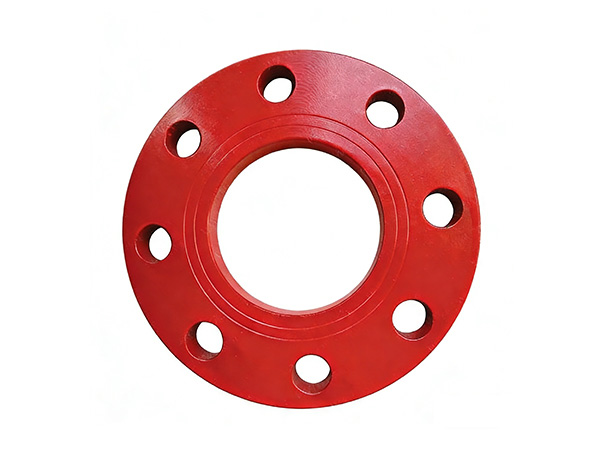
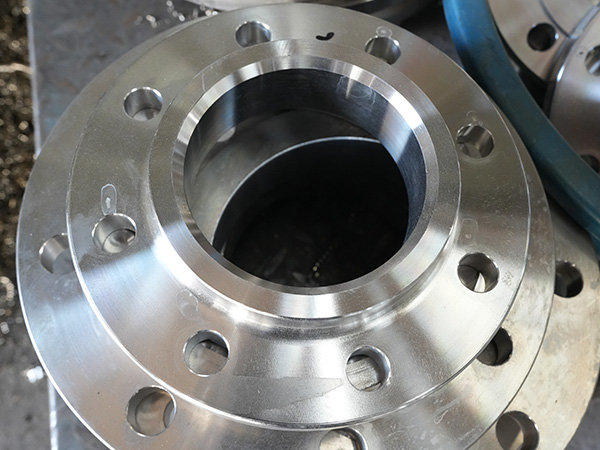
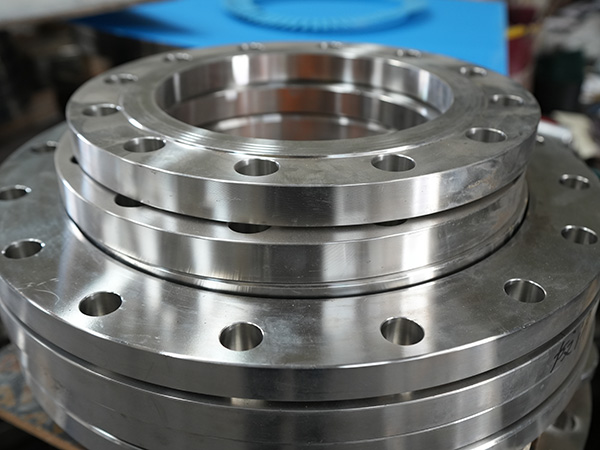
An industrial plate flange is a flat, circular disc utilized to connect pipes, valves, pumps, and other equipment in a piping system. It is usually welded or bolted in place and designed to form a strong, leak-tight connection. Compared with other types of flanges, plate flanges are widely adopted due to their simple structure, cost-effectiveness, and ease of installation. However, their performance is highly dependent on manufacturing quality and compliance with international standards.
2. Key International Standards for Plate Flanges
To ensure safety and compatibility, industrial plate flanges must meet globally recognized standards. The most commonly used ones are as follows:
ASME B16.5 (USA Standard)
As one of the most widely applied flange standards, it covers pressure-temperature ratings, dimensions, tolerances, and materials for pipe flanges up to 24 inches in size.
EN 1092-1 (European Standard)
This standard specifies flanges for pipes, valves, and fittings in Europe. It includes various flange types, pressure ratings (ranging from PN6 to PN100), and material specifications.
DIN Standards (Germany)
DIN flanges are renowned for their precision and reliability, and they are commonly used in industrial applications across Europe and Asia.
JIS Standards (Japan)
Japanese Industrial Standards (JIS) are widely used in Asia, particularly in the marine, chemical, and mechanical industries.
3. Material Standards and Requirements
Material selection is one of the most critical factors influencing flange quality. Common materials include:
Carbon Steel (ASTM A105): Widely used for general industrial applications
Stainless Steel (304, 316): Suitable for corrosive environments
Alloy Steel: Used in high-temperature and high-pressure working conditions
High-quality industrial plate flanges must meet strict requirements for chemical composition and mechanical properties, including tensile strength, yield strength, and hardness.
4. Pressure Ratings and Performance Classes
Industrial plate flanges are categorized based on pressure ratings, which determine their capacity to withstand internal pressure. Common pressure classes include:
Class 150 / 300 / 600 / 900 / 1500 / 2500 (ASME system)
PN6 / PN10 / PN16 / PN25 / PN40 (EN system)
Selecting the appropriate pressure rating is crucial to ensuring system safety and preventing leakage or failure.
5. Manufacturing Quality Control Standards
High-quality industrial plate flanges must go through strict manufacturing control processes, such as:
Forging or Casting Inspection
This ensures the integrity of raw materials and the structural strength of the flange.
Dimensional Accuracy Testing
It verifies that the flange’s thickness, bolt hole spacing, and diameter meet the requirements of relevant standards.
Surface Finish Control
Smooth sealing surfaces reduce the risk of leakage and enhance gasket performance.
Heat Treatment
This process improves the mechanical strength and durability of the flange.
6. Testing and Certification Requirements
Before delivery, industrial plate flanges should pass several quality tests:
Hydrostatic pressure test
Ultrasonic testing (UT)
Radiographic testing (RT)
Magnetic particle inspection (MPI)
Chemical composition analysis
In addition, certifications such as ISO 9001, CE marking, or PED compliance are often required for international trade.
7. Why Quality Standards Matter
Using non-standard or low-quality flanges can lead to serious consequences, including:
Pipeline leakage
System pressure failure
Equipment damage
Safety risks in industrial environments
Complying with international standards ensures long-term reliability, safety, and compatibility with global piping systems.
Conclusion
Although industrial plate flanges appear simple, their performance relies heavily on strict adherence to international standards, proper material selection, and rigorous quality control. When sourcing flanges, always check their compliance with ASME, EN, DIN, or JIS standards, and ensure the manufacturer provides complete certification and testing reports. This not only guarantees product quality but also ensures the safety and efficiency of your entire piping system.
References
GB/T 7714: Performance Evaluation of Industrial Plate Flanges Under High-Pressure Conditions. Energies
MLA:Compliance of Industrial Plate Flanges with International Standards (ASME B16.5, EN 1092-1). Journal of Electrical Engineering & Technology
APA:Quality Control Standards for Industrial Plate Flanges in Harsh Industrial Environments. Renewable Energy
 Recommended Products
 Contact us
—— Contact:Manager
—— Tel:+86 15231788966
—— Email:info@zhantongpipe.com
—— Url:https://www.zhantongpipe.com
—— Address:Mengcun Hui Autonomous County, Cangzhou City, Hebei Province