
NewsDetails
TPEP Anti-Corrosion Steel Pipe Technology and Applications
author:Zhantong time:2026-05-25 15:38:33 Click:69
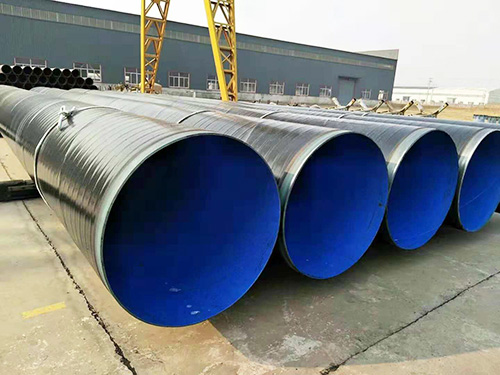
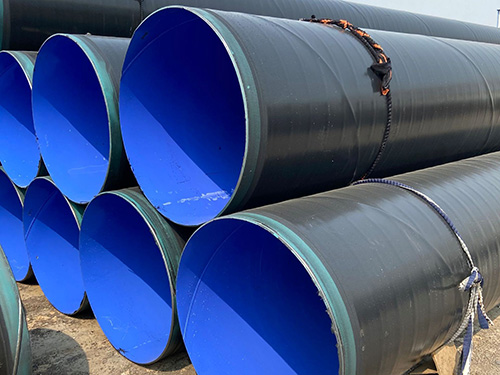
TPEP (Three-Layer Polyethylene Polyethylene) anti-corrosion steel pipes represent advanced external coating systems that provide exceptional barrier protection against corrosive environments in pipeline transportation systems. These sophisticated coating systems, engineered and manufactured by specialized pipeline equipment suppliers, integrate epoxy primer, adhesive layer, and polyethylene topcoat to deliver long-term corrosion resistance in buried or submerged pipeline applications. Understanding TPEP coating structure, application processes, and performance characteristics enables pipeline engineers to specify appropriate corrosion protection for demanding service conditions.
Three-Layer Coating Structure and Function
The TPEP coating system comprises three distinct layers: fusion bonded epoxy (FBE) primer, copolymer adhesive intermediate layer, and polyethylene (PE) topcoat, each contributing specific protective functions. The FBE primer (150-300 microns thickness) provides excellent adhesion to steel substrate and corrosion resistance through chemical bonding and barrier protection mechanisms.
The adhesive intermediate layer (200-400 microns thickness) ensures chemical bonding between FBE primer and polyethylene topcoat, preventing delamination and maintaining coating system integrity. The polyethylene topcoat (2.0-4.0mm thickness) provides mechanical protection, moisture barrier, and UV resistance for long-term durability. Reputable anti-corrosion pipe manufacturers employ precision coating application equipment and quality control systems to ensure proper layer thickness and adhesion.
Coating Application Process and Equipment
TPEP coating application follows sequential process steps including steel pipe surface preparation, epoxy primer application, adhesive layer extrusion, and polyethylene topcoat extrusion. Surface preparation employs abrasive blasting or chemical cleaning to achieve specified surface profile (50-100 micrometers) and cleanliness (Sa 2.5 or SSPC-SP 10) for optimal coating adhesion.
Epoxy primer application utilizes electrostatic spraying or fusion bonding techniques to achieve uniform coating thickness and complete surface coverage. The adhesive and polyethylene layers are applied through extrusion coating processes where molten materials are continuously applied to preheated pipe surfaces. Professional pipeline suppliers provide coating application services with comprehensive quality testing and documentation.
Performance Characteristics and Testing Standards
TPEP anti-corrosion coatings deliver exceptional performance characteristics including cathodic disbondment resistance, impact resistance, and long-term durability in aggressive soil environments. Cathodic disbondment testing (ASTM G8, CSA Z245.20) evaluates coating system resistance to underfilm corrosion propagation when cathodic protection systems are applied.
Impact resistance testing (ASTM G14) validates coating system ability to withstand mechanical damage during handling, transportation, and installation. Additional performance tests include bend testing, thermal aging, and environmental exposure evaluations to simulate long-term service conditions. Leading pipeline equipment manufacturers provide comprehensive test reports and certification packages meeting international standards.
Quality Control and Inspection Methods
Comprehensive quality control programs encompass incoming material verification, in-process coating thickness monitoring, and finished product performance testing to ensure compliance with project specifications. Coating thickness measurement employs magnetic gauges, ultrasonic testing, or optical microscopy to verify layer thickness compliance with design requirements.
Adhesion testing (ASTM D4541) evaluates coating system bond strength to steel substrate, with minimum adhesion strength requirements (typically 5-10 MPa) ensuring long-term coating system integrity. Holiday detection (spark testing) identifies coating discontinuities, pinholes, or thin spots that compromise corrosion protection performance. Professional anti-corrosion pipe suppliers provide comprehensive quality assurance documentation and traceability for critical pipeline projects.
References
ISO 21809-1 - Petroleum and natural gas industries - External coatings for buried or submerged pipelines
CSA Z245.20 - Plant-Applied External Polyethylene Coating for Steel Pipe
ASTM G8 - Standard Test Methods for Cathodic Disbonding of Pipeline Coatings
DNV-RP-F106 - Factory Applied External Pipeline Coatings for Corrosion Control
API 5L - Specification for Line Pipe
 Recommended Products
 Contact us
—— Contact:Manager
—— Tel:+86 15231788966
—— Email:info@zhantongpipe.com
—— Url:https://www.zhantongpipe.com
—— Address:Mengcun Hui Autonomous County, Cangzhou City, Hebei Province