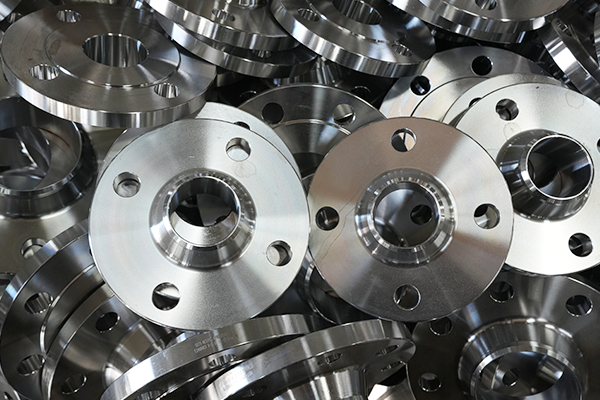

NewsDetails
Understanding Alloy Steel Flat Welding Flanges in Modern Piping Systems
author:Zhantong time:2026-03-20 19:18:59 Click:189
In contemporary industrial piping systems, flanges act as vital components for linking pipes, valves, pumps, and other related equipment. Among the numerous types of flanges available, Alloy Steel Flat Welding Flanges are extensively utilized, owing to their robust strength, long-lasting durability, and outstanding performance in harsh operating conditions. These flanges are commonly employed in sectors such as oil and gas, petrochemical processing, power generation, and chemical manufacturing. Their dependable sealing ability and strong mechanical properties make them a crucial part of high-performance pipeline systems. This article examines the characteristics, advantages, applications, and selection considerations of alloy steel flat welding flanges in modern piping systems.

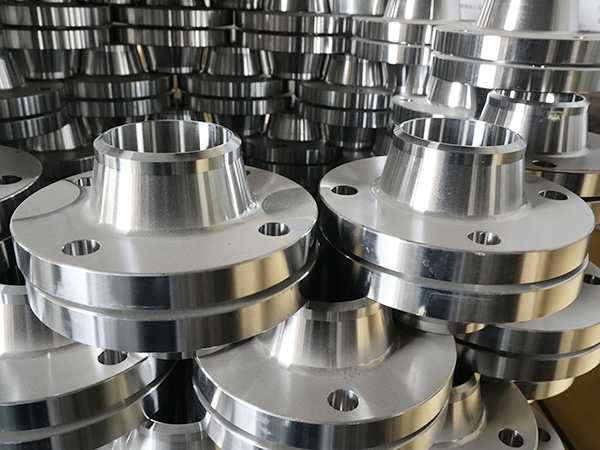
What Is an Alloy Steel Flat Welding Flange?
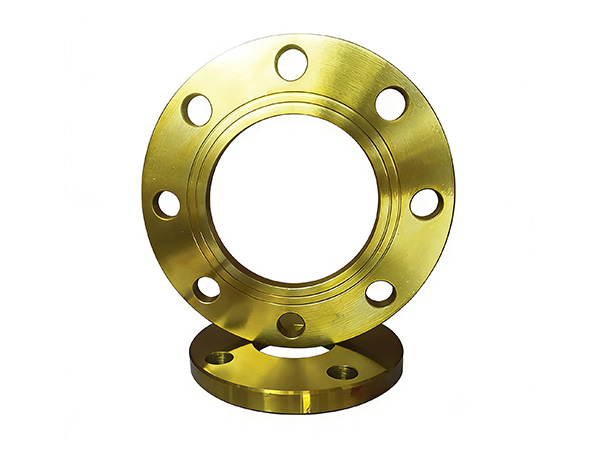
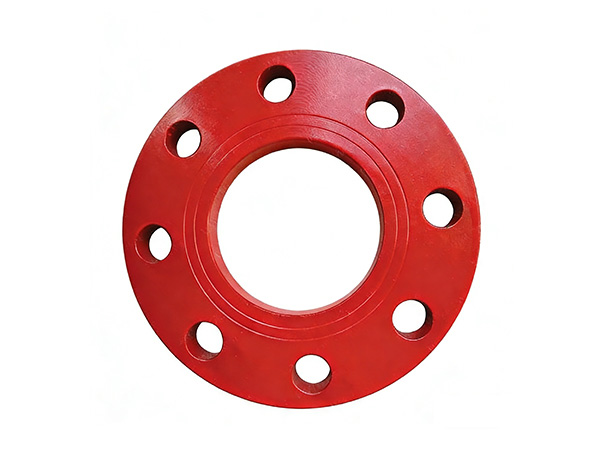
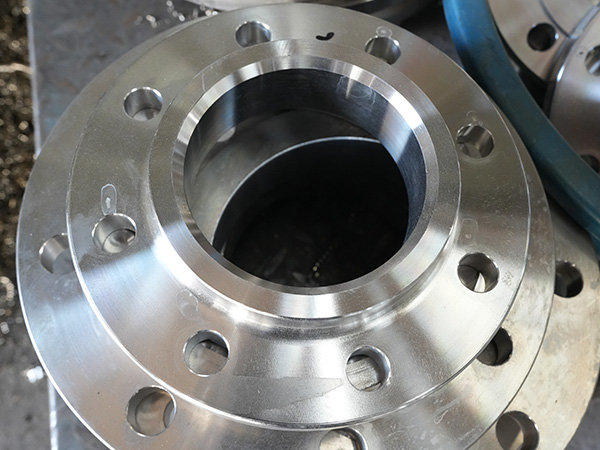
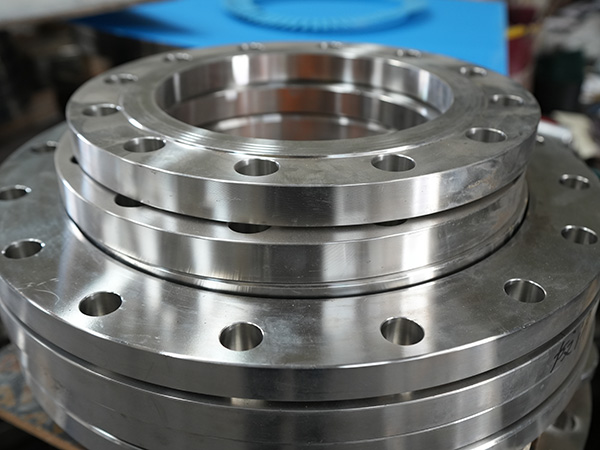
An Alloy Steel Flat Welding Flange is a specific type of pipe flange designed to be directly welded onto the pipe. It boasts a flat surface that enables the pipe to be inserted into the flange, with welding performed around the connection area to ensure stability. In comparison to other flange types, flat welding flanges feature a simple structure and convenient installation process, while still maintaining excellent mechanical performance. Key characteristics are as follows:
·Produced from high-strength alloy steel materials
·Adopts a flat sealing surface design
·Facilitates easy welding and installation
·Suitable for medium to high-pressure pipeline systems
·Possesses good corrosion and heat resistance
Due to the presence of elements like chromium, molybdenum, and nickel in alloy steel, these flanges offer enhanced strength and durability when compared to standard carbon steel flanges.
Advantages of Alloy Steel Flat Welding Flanges
1. High Strength and Durability
Alloy steel delivers superior mechanical strength, making these flanges well-suited for harsh industrial environments where pipelines are subjected to pressure, high temperatures, and mechanical stress.
2. Excellent Corrosion Resistance
Many alloy steel grades provide improved resistance to corrosion and oxidation, which helps prolong the service life of piping systems and reduce maintenance costs.
3. Reliable Sealing Performance
The flat welding structure ensures stable connections, which helps maintain tight sealing performance and minimizes the risk of leakage in industrial pipelines.
4. Easy Installation and Maintenance
Flat welding flanges are relatively simple to install and align with piping systems, which can shorten installation time and lower maintenance expenses.
5. Cost-Effective Solution
Compared with more complex flange types, flat welding flanges achieve a balance between performance and cost, making them a practical option for numerous engineering projects.
Common Applications in Modern Piping Systems
Alloy steel flat welding flanges are widely used in industries that require reliable pipe connections to ensure smooth operations. Typical application scenarios include:
·Oil and gas pipelines
·Petrochemical plants
·Power generation facilities
·Chemical processing systems
·Water treatment systems
·Industrial fluid transportation
In these industries, piping systems often operate under high-temperature, high-pressure, and corrosive environments, making alloy steel materials an ideal choice for flange manufacturing.
Material Grades and Standards
Alloy steel flat welding flanges are usually manufactured in accordance with international standards to ensure compatibility with global piping systems and consistent product quality. Common international standards include:
·ASTM
·ASME
·ANSI
·DIN
·EN
·JIS
Typical alloy steel material grades for flat welding flanges:
·ASTM A182 F5
·ASTM A182 F9
·ASTM A182 F11
·ASTM A182 F22
·ASTM A182 F91
Different material grades offer varying levels of temperature resistance, mechanical strength, and corrosion protection, which can be selected based on specific application requirements.
How to Choose the Right Alloy Steel Flat Welding Flange
Selecting the appropriate alloy steel flat welding flange is crucial to ensuring the safety and efficiency of piping systems. When making a selection, several key factors should be taken into account. Key selection factors:
·Operating pressure and temperature of the pipeline
·Pipe size and wall thickness
·Compatibility with other pipeline materials
·Relevant industry standards and certifications
·Environmental conditions of the application site
Cooperating with a reliable flange manufacturer can also help ensure that the selected product meets the specific technical requirements of the project.
Conclusion
Alloy Steel Flat Welding Flanges are essential components in modern piping systems. Their unique combination of high strength, corrosion resistance, and easy installation makes them suitable for a wide range of industrial applications. By selecting the correct material grade and flange specification, engineers and project managers can ensure safe, efficient, and long-lasting pipeline connections. As industries continue to demand higher performance from their piping systems, alloy steel flat welding flanges remain a reliable and cost-effective solution for critical industrial infrastructure.
References
GB/T 7714:Comparative Study on EN Method and Waters Method for Determining Flange Bolt Pre-tightening Force. Lubrication Engineering
MLA:Corrosion Resistance of Alloy Steel Weld Metal in Seawater Environment. Acta Metallurgica Sinica
APA:Study on Automatic Welding Technology of Aluminum Alloy Storage Tank Flange. Pressure Vessel Technology
 Recommended Products
 Contact us
—— Contact:Manager
—— Tel:+86 15231788966
—— Email:info@zhantongpipe.com
—— Url:https://www.zhantongpipe.com
—— Address:Mengcun Hui Autonomous County, Cangzhou City, Hebei Province