
NewsDetails
Understanding the Role of an Insulated Pipeline Supplier in Modern Energy Infrastructure
author:Zhantong time:2025-12-11 17:27:40 Click:137
In modern energy systems—where efficiency, stability, and safety define industrial progress—the role of the Insulated Pipeline Supplier has become increasingly vital. These suppliers support everything from district heating grids to long-distance energy transmission, ensuring that transported fluids remain thermally stable even in extreme climates. As global industries expand their operational scale, businesses look for suppliers capable not only of technical expertise but also reliable manufacturer-level production output and consistent bulk-supply capabilities to match demanding project requirements.
Why Insulated Pipelines Are Critical Today
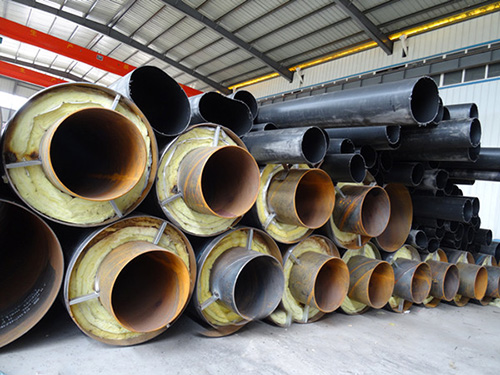
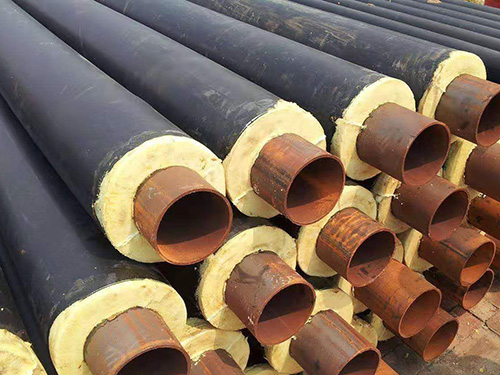
Insulated pipelines are engineered to keep temperatures within a controlled range during the transport of hot, warm, or chilled fluids. Without proper insulation, industrial systems face:
·significant thermal losses
·rising energy consumption
·temperature-dependent flow disruptions
·accelerated pipeline wear
·higher operational expenditures
By maintaining consistent temperatures, insulated pipelines help stabilize industrial processes, support energy conservation strategies, and extend the lifespan of entire pipeline networks—making them indispensable across all major energy and industrial fields.
Industries relying heavily on this technology include:
·Oil & gas transportation
·District heating and cooling systems
·Petrochemical operations
·Chemical process industries
·Power generation facilities
·Offshore and marine installations
Regardless of geography or climate, temperature control remains a core requirement for safe and efficient pipeline transport.
Essential Functions of a Professional Insulated Pipeline Supplier
A trusted Insulated Pipeline Supplier contributes far more than simply delivering materials. Their technical involvement shapes the performance, longevity, and safety of pipeline systems at every stage.
1. Technical Material Selection and Engineering Guidance
Suppliers help engineers determine the ideal configuration for their project, including:
·Pipe base material (steel / HDPE / composite)
·Insulation type (PUF foam, mineral wool, aerogel, etc.)
·Insulation thickness
·Protective outer layers
·Joint sealing and moisture barriers
·Suitable operating temperature ranges
This technical support is crucial for ensuring that pipelines meet both environmental and operational demands.
2. Thermal Efficiency and Energy Conservation
Insulated pipelines dramatically reduce heat losses by:
·preventing temperature decay in long-distance transport
·maintaining stable fluid viscosity
·improving pumping efficiency
·lowering energy usage for reheating or recooling
In large industrial projects, even a small improvement in thermal performance can lead to significant energy savings over the pipeline’s lifespan.
3. Multi-Layer Protection to Prevent Corrosion
Modern insulated pipelines combine insulation with advanced protective systems, such as:
·corrosion-resistant coatings
·waterproof jackets
·high-density external shells
·chemical-resistant barriers
This multi-layer defense is essential for pipelines in underground, coastal, or industrial chemical environments, where corrosion risks are elevated.
4. Large-Scale Manufacturing and Bulk Supply
For infrastructure projects, consistency is everything. A dependable supplier offers:
·stable bulk production capability
·precision manufacturing technology
·thorough quality inspection
·on-time delivery for long-term projects
The ability to produce uniform insulated pipeline sections on a large scale ensures seamless installation and long-lasting structural integrity.
Key Applications for Insulated Pipelines
Energy Transmission
Crude oil, refined fuels, steam, and various industrial gases often require temperature-controlled transport. Insulated pipelines keep these materials within the required temperature range to prevent degradation or flow disruption.
District Heating & Cooling Networks
In cold climates, insulated pipelines deliver heat efficiently across cities. In warm climates, they ensure chilled water remains cold during distribution.
Industrial Processing Plants
Many chemical and manufacturing processes depend on consistent temperatures. Insulated pipelines help safeguard product quality and reduce processing costs.
Marine & Offshore Systems
Offshore platforms encounter harsh conditions, including saltwater exposure and extreme temperature shifts. Insulated pipelines help maintain reliability in these demanding environments.
How to Select a Reliable Insulated Pipeline Supplier
Several factors determine whether a supplier can support long-term industrial performance:
1. Manufacturer-Level Capabilities
Suppliers equipped with real production lines ensure better stability in quality and supply.
2. Technical Competence and Engineering Support
Comprehensive guidance on materials, insulation structures, and installation methods demonstrates supplier expertise.
3. Strong Quality-Control System
Essential tests include:
·Thermal conductivity tests
·High-pressure testing
·Adhesion and coating durability checks
·Insulation density measurements
·Accelerated aging tests
4. Customization Flexibility
Every energy project has unique conditions—environment, soil type, temperature extremes, chemical exposure—so the ability to customize insulation thickness, coatings, and joint protection is essential.
5. Long-Term Service Support
The best suppliers provide onsite installation guidance, maintenance recommendations, and technical consultation throughout the pipeline’s lifecycle.
Future Innovations in Insulated Pipeline Technology
Emerging technologies will further enhance pipeline performance:
·Sensor-enabled smart insulation layers
·Lightweight composite pipeline systems
·Ultra-low conductivity nano-insulation materials
·Environmentally friendly polyurethane alternatives
·Improved UV- and corrosion-resistant jacket materials
As global energy systems modernize, insulated pipelines continue to evolve, adapting to higher efficiency standards and more complex industrial environments.
Conclusion
A dependable Insulated Pipeline Supplier plays a crucial role in the reliability and efficiency of modern energy and industrial systems. Through advanced insulation technologies, strong manufacturing capabilities, and dependable bulk-supply support, these suppliers help ensure long-term performance and safety for large-scale projects.
As energy infrastructure continues to expand, insulated pipelines will remain central to global progress—and choosing the right supplier will be essential for ensuring operational stability and long-term value.
References
GB/T 7714:Hong M S, So Y S, Kim J G. Optimization of cathodic protection design for pre-insulated pipeline in district heating system using computational simulation[J]. Materials, 2019, 12(11): 1761.
MLA:Hong, Min-Sung, Yoon-Sik So, and Jung-Gu Kim. "Optimization of cathodic protection design for pre-insulated pipeline in district heating system using computational simulation." Materials 12.11 (2019): 1761.
APA:Hong, M. S., So, Y. S., & Kim, J. G. (2019). Optimization of cathodic protection design for pre-insulated pipeline in district heating system using computational simulation. Materials, 12(11), 1761.
 Recommended Products
 Contact us
—— Contact:Manager
—— Tel:+86 15231788966
—— Email:info@zhantongpipe.com
—— Url:https://www.zhantongpipe.com
—— Address:Mengcun Hui Autonomous County, Cangzhou City, Hebei Province