
NewsDetails
Welding Neck Flange: Design, Standards and High-Pressure Use
author:Zhantong time:2026-10-09 17:16:12 Click:187
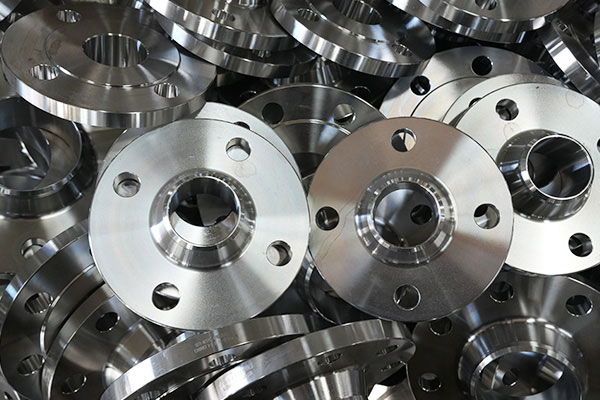
When a joint must survive high pressure, temperature swings or hazardous fluid, the welding neck flange (WN) is the engineer's default. Its long tapered hub blends smoothly into the pipe, spreading stress and preventing fatigue at the weld.
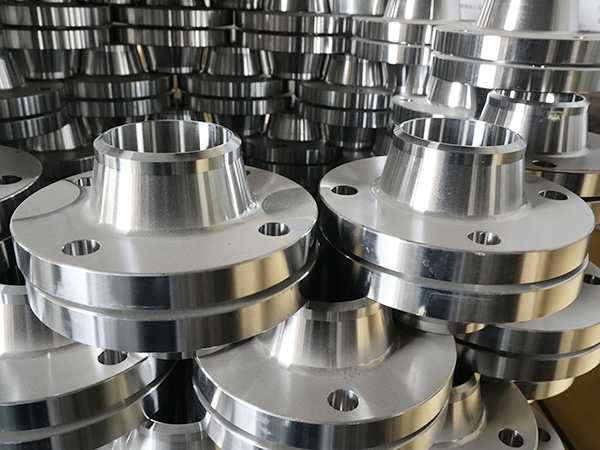
Zhantong manufactures WN flanges in carbon, stainless, alloy and duplex steels. This article explains the design, standards and where it earns its place.
Anatomy of a Welding Neck Flange
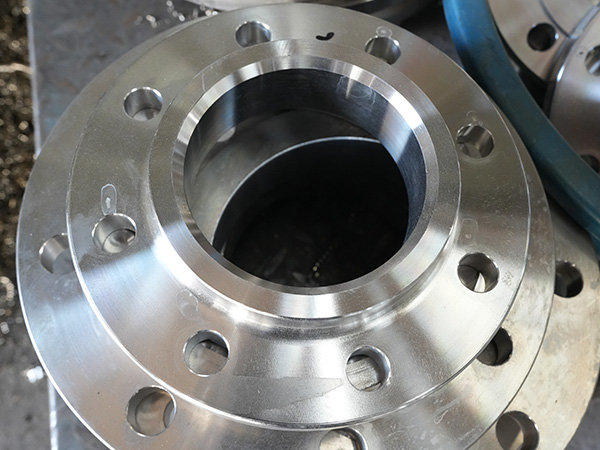
The defining feature is the long, conical hub that tapers from the flange body to the pipe's outside diameter. This geometry gives a gradual transition that reduces stress concentration at the butt weld.
Available with raised face (RF), flat face (FF) or ring-type joint (RTJ) sealing, WN flanges suit the most demanding services.
Standards and Size Range
WN flanges follow ASME B16.5 / B16.47, plus DIN, JIS, EN and GB. Zhantong covers DN15–DN2000 (1/2"–80") and pressure classes from 150 to 2500 (PN10–PN400).
Dual marking and material certificates support export and third-party inspection.
Materials and Face Types
Materials include carbon steel (A105), stainless (304/316/F304L), alloy (F11/F22) and duplex. Face type depends on the mating flange and gasket: RF for general use, RTJ for high pressure, FF for cast-iron or full-face gaskets.
Surface finish of the sealing face is machined to standard roughness for reliable gasket seating.
Why Choose Welding Neck
The tapered hub provides superior fatigue and vibration resistance, handles thermal expansion and keeps a smooth bore that limits turbulence. It is the safest choice for cyclic, high-pressure or high-temperature lines.
Although costlier than slip-on, its reliability lowers life-cycle risk in critical systems.
Typical Applications
WN flanges appear in oil and gas transmission, refineries, power plant steam lines, petrochemical and offshore installations. Anywhere a leak is unacceptable, the WN is specified.
They are also used where frequent inspection or future modifications are expected, thanks to the robust full-penetration weld.
Installation Best Practice
Align the hub to the pipe, use qualified welders and follow the specified bolt torque sequence to avoid uneven compression. Verify flange face cleanliness and gasket type before assembly.
For high-temperature service, select bolting and gasket rated for the same conditions to avoid relaxation.
Frequently Asked Questions
What is a welding neck flange used for?
High-pressure, high-temperature or hazardous services where a strong, fatigue-resistant butt-welded joint is required.
What pressure classes are available?
From Class 150 to Class 2500 (PN10–PN400) across DN15–DN2000.
RF or RTJ face—which to choose?
RF for general duty, RTJ for high-pressure sealing with metal ring gaskets.
Can it be supplied in stainless or duplex?
Yes; Zhantong offers carbon, stainless, alloy and duplex with full material certs.
Conclusion
The welding neck flange remains the premium choice where joint integrity is critical. Its tapered hub and full-penetration weld deliver the stress relief and reliability that high-pressure systems demand.
To discuss specifications, request a quote, or download full datasheets, visit www.zhantongpipe.com or contact our engineering team directly. Hebei Zhantong Pipeline Equipment Manufacturing Co., Ltd supports OEM drawings, third-party inspection, and worldwide shipping for every order.
 Recommended Products
 Contact us
—— Contact:Manager
—— Tel:+86 15231788966
—— Email:info@zhantongpipe.com
—— Url:https://www.zhantongpipe.com
—— Address:Mengcun Hui Autonomous County, Cangzhou City, Hebei Province