
NewsDetails
Welding Plate Flange Types and Selection Guide for Engineering Projects
author:Zhantong time:2026-04-26 18:23:15 Click:119
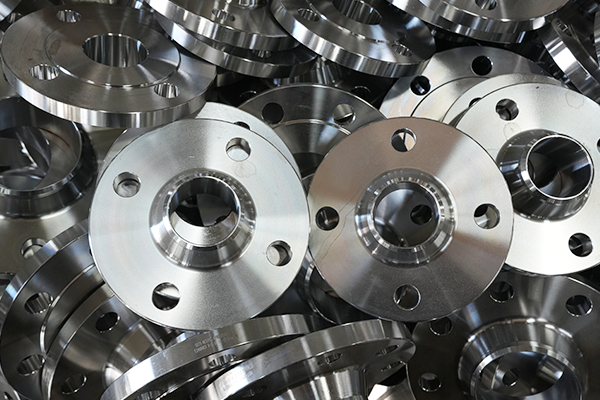
Welding plate flanges are extensively applied in piping systems across various industries, including oil and gas, chemical processing, power generation, water treatment, and shipbuilding. They form a robust and dependable connection between pipes, valves, pumps, and other related equipment. Selecting the appropriate type of welding plate flange is crucial for guaranteeing system safety, sealing performance, and long-term durability. This guide will help you grasp the main types of welding plate flanges and how to choose the most suitable one for your engineering project.

1. What Is a Welding Plate Flange?
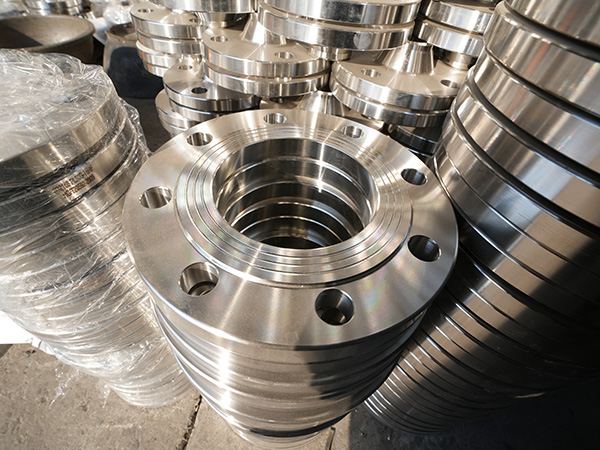
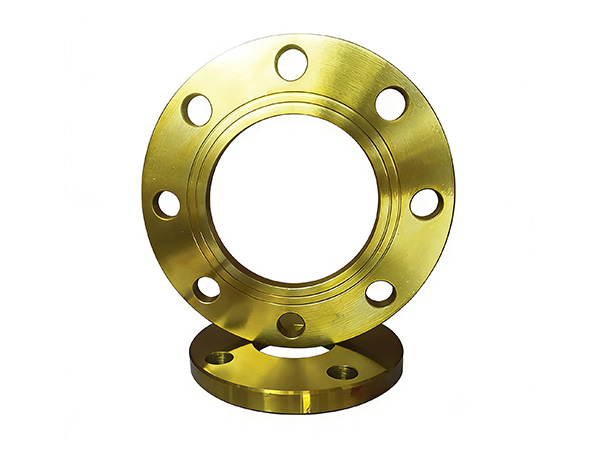
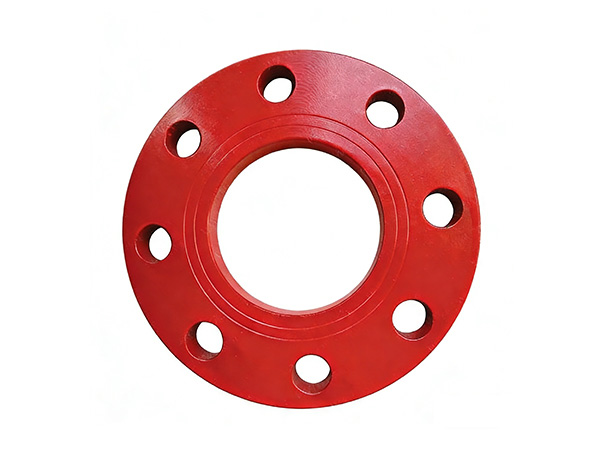
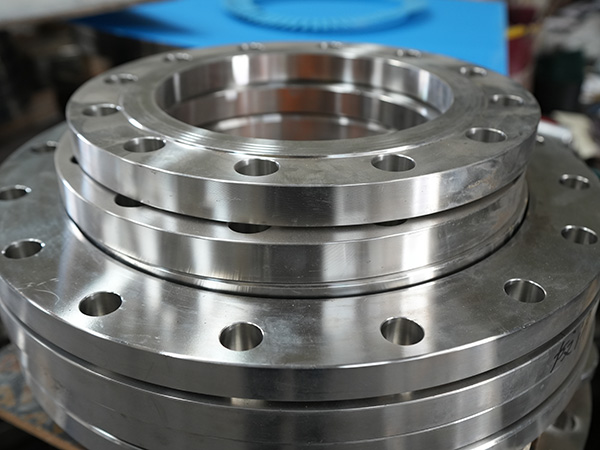
A welding plate flange is a flat circular steel component with bolt holes, specifically designed to be directly welded onto a pipe. It is commonly utilized in low to medium pressure piping systems where easy alignment and cost-efficiency are key considerations. Compared with other flange types, welding plate flanges feature a simple structure, convenient installation, and wide application in industrial scenarios.
2. Common Types of Welding Plate Flanges
2.1 Flat Welding Plate Flange (Slip-On Type)
This is the most widely used type of welding plate flange, favored for its simplicity and cost-effectiveness. Features:
The pipe slides into the flange before the welding process is performed
Facilitates easy installation and precise alignment
Suitable for low to medium pressure piping systems, typically complying with pressure ratings such as PN1.0, PN1.6, and PN2.5
Applications:
Water supply and drainage pipelines
HVAC (Heating, Ventilation, and Air Conditioning) systems
General industrial piping systems
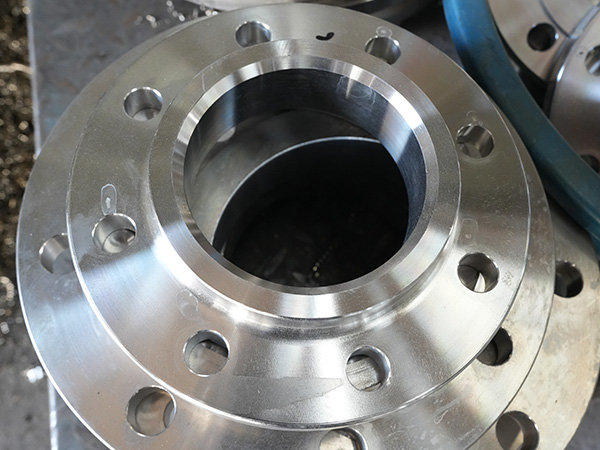
2.2 Welding Neck Plate Flange
Though its structure differs from the flat welding type, it is often adopted in similar systems that have higher performance demands. Features:
Equipped with a long tapered neck that enables better stress distribution
Connected to the pipe via butt-welding for enhanced stability
Boasts high strength and reliability, suitable for harsh working conditions
Applications:
High-pressure pipelines
Petrochemical plants
Power stations and boiler systems
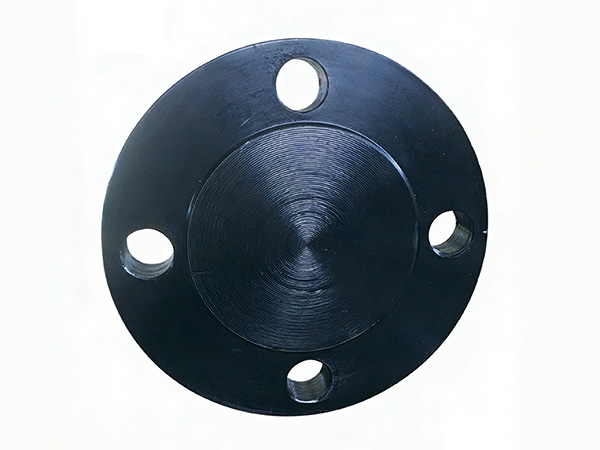
2.3 Blind Plate Flange
This type is specifically designed to seal and close the end of a piping system. Features:
No center hole, ensuring full sealing of the pipeline ends
Allows easy access for inspection, maintenance, and pressure testing
Available in various sealing surface forms (flat,凹凸面, etc.) to meet different sealing needs
Applications:
Pipeline termination points
Pressure testing systems
Maintenance sections of piping systems
2.4 Threaded Plate Flange
It is specially designed for pipes that cannot be welded due to structural or operational constraints. Features:
Equipped with internal threads for direct pipe connection
Eliminates the need for welding, reducing installation complexity
Enables easy installation and disassembly, suitable for temporary or frequently maintained systems
Applications:
Small diameter pipelines
Temporary piping systems
Low-pressure working environments
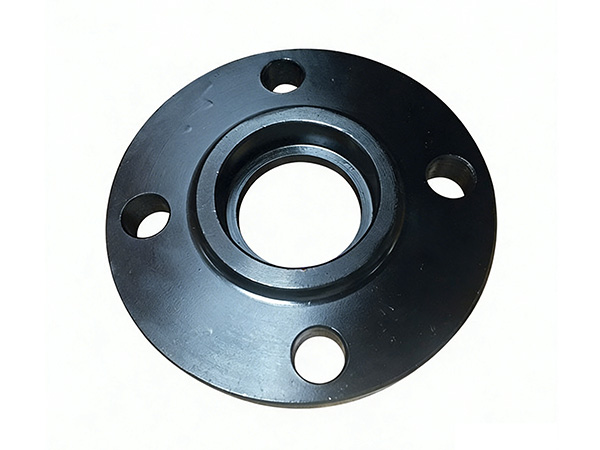
2.5 Socket Weld Plate Flange
This type is ideal for small-diameter, high-pressure piping systems where compactness and sealing performance are critical. Features:
The pipe is inserted into the flange socket before welding
Delivers strong sealing performance, preventing leakage in high-pressure scenarios
Suitable for compact piping systems with limited installation space
Applications:
Hydraulic systems
High-pressure small-diameter pipelines
Instrumentation piping in industrial plants
3. Key Factors for Selecting Welding Plate Flanges
The selection of the right flange depends on several key engineering conditions, which directly affect the performance and safety of the piping system.
3.1 Working Pressure
Low pressure systems → Flat welding plate flange (slip-on type)
Medium to high pressure systems → Welding neck or socket weld plate flange
The pressure rating of the flange directly influences its thickness and material selection, as higher pressure requires thicker flanges and more durable materials.
3.2 Temperature Conditions
High-temperature working environments require flange materials with strong thermal resistance. Common options include:
Stainless steel (304, 316, 316L)
Alloy steel (Cr-Mo steel), which offers excellent high-temperature strength
Nickel-based alloys for extreme high-temperature conditions
3.3 Fluid Medium
The type of fluid or gas transported in the pipeline determines the corrosion resistance requirements of the flange:
Clean water → Carbon steel or mild stainless steel (cost-effective and practical)
Chemical media → Stainless steel or alloy steel (strong corrosion resistance)
Seawater → High-grade corrosion-resistant alloys (to withstand saltwater corrosion)
3.4 Pipe Size and System Design
Large diameter pipelines → Flat welding plate flanges (easy to install and cost-effective)
Small diameter high-pressure systems → Socket weld or threaded flanges (compact and leak-proof)
Complex piping systems → Customized flange solutions (to meet specific design requirements)
3.5 Installation and Maintenance Needs
If frequent maintenance is required for the piping system, consider the following:
Blind flanges (for easy opening and closing during maintenance)
Threaded flanges (for simple disassembly without welding)
Standardized flange types (for easier replacement and sourcing of spare parts)
4. Material Selection for Welding Plate Flanges
The material of the welding plate flange directly affects its performance, durability, and applicability. Common materials include:
Carbon Steel: Cost-effective, widely used in general industrial scenarios with moderate pressure and temperature requirements, complying with material standards such as GB/T 700.
Stainless Steel (304/316/316L): Offers excellent corrosion resistance, suitable for corrosive media and harsh environments, meeting GB/T 1220 material specifications.
Alloy Steel: Boasts high strength and temperature resistance, ideal for high-pressure and high-temperature systems.
Special Alloys: Designed for extreme chemical or offshore environments, providing superior corrosion and temperature resistance.
Material selection should always align with the system’s working conditions and safety requirements, and undergo strict quality testing to ensure performance stability.
5. Industry Standards and Quality Requirements
Reliable welding plate flanges must comply with international or project-specific industry standards to ensure safety and compatibility. Common standards include:
ASME B16.5 (American standard for flanges and flanged fittings)
EN 1092-1 (European standard for flanges)
ASTM material standards (for material quality control)
ISO quality certification (for overall quality management)
GB/T9115, HG20592 (Chinese national and industry standards)
In addition, strict quality inspection is essential, which may include:
Dimensional accuracy testing (to ensure compliance with standard sizes)
Pressure testing (to verify sealing and pressure resistance)
Ultrasonic or radiographic inspection (to detect internal defects)
Surface treatment evaluation (to enhance corrosion resistance)
6. Common Applications in Engineering Projects
Welding plate flanges are versatile and widely used in various engineering projects, including:
Oil and gas pipelines (onshore and offshore)
Chemical processing plants
Water supply and drainage systems
Shipbuilding and marine engineering
Power generation systems (thermal power, nuclear power, etc.)
Their simplicity, reliability, and cost-effectiveness make them a key component in modern industrial piping systems.
Conclusion
Selecting the right welding plate flange requires careful consideration of working pressure, temperature conditions, fluid medium, pipe size, installation and maintenance needs, as well as industry standards. Each type of flange has its unique advantages, and choosing the correct one is essential to ensure the safety, efficiency, and long-term reliability of the piping system. By adhering to relevant standards and matching flange types to project requirements, you can optimize system performance and reduce maintenance costs.
References
GB/T 7714:Optimization Design of Welding Plate Flange Joints Based on Response Surface Method. Journal of Mechanical Engineering
MLA:Application and Selection of Welding Plate Flanges in Oil and Gas Pipeline Systems. Journal of Pipeline Engineering
APA:Performance Comparison of Different Types of Welding Plate Flanges in High-Pressure Piping. Journal of Materials Processing Technology
 Recommended Products
 Contact us
—— Contact:Manager
—— Tel:+86 15231788966
—— Email:info@zhantongpipe.com
—— Url:https://www.zhantongpipe.com
—— Address:Mengcun Hui Autonomous County, Cangzhou City, Hebei Province