

NewsDetails
What Is a Stainless Steel Blind Flange? Functions, Uses, and Selection Guide
author:Zhantong time:2026-04-21 11:24:15 Click:88
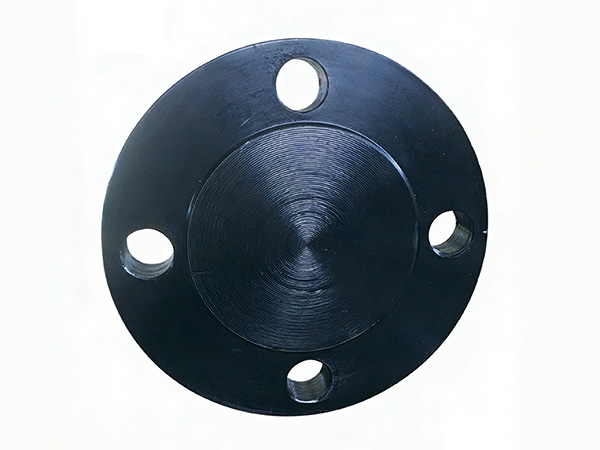
A stainless steel blind flange is a vital component in piping systems, primarily used to close or seal the ends of pipelines, valves, or pressure vessel openings. Unlike other flange types that connect two pipe segments, a blind flange features no central bore, taking the form of a solid disk designed to fully block fluid or gas flow. Owing to its durability and reliable sealing performance, it is extensively applied in industries such as oil and gas, chemical processing, water treatment, and power generation. This article elaborates on the definition, working principle, core functions of stainless steel blind flanges, and provides guidance on selecting the appropriate one for specific applications.


What Is a Stainless Steel Blind Flange?
A stainless steel blind flange is a flat, circular plate fabricated from stainless steel, specifically designed to seal off the end of a piping system. It is fastened to a mating flange with bolts, and a gasket is placed between them to achieve a tight, leak-proof seal. Its lack of a central hole allows it to completely halt the flow of liquids, gases, or other media within the pipeline. This characteristic makes it an indispensable component for system isolation, pressure testing, and future pipeline expansion projects. Common stainless steel grades used for blind flanges include 304, 316, and 316L, which are selected based on the required corrosion resistance and the specific conditions of the application environment.
Key Functions of a Stainless Steel Blind Flange
·Sealing Pipeline Ends: The primary role of a blind flange is to close off the end of a pipe or valve. This prevents any fluid or gas from leaking out of the system, ensuring safe and controlled operation.
·Enabling System Isolation: In industrial facilities, certain sections of piping often need to be isolated for maintenance or repair work. A blind flange enables operators to safely shut down a specific section without disrupting the entire system.
·Supporting Pressure Testing: Blind flanges are commonly utilized during hydrostatic or pneumatic pressure testing. They securely seal the ends of pipelines, allowing the system to be tested under controlled pressure conditions.
·Facilitating Future Expansion: Piping systems may require extension or modification in the future. A blind flange serves as a temporary closure point that can be easily removed when new piping sections are added.
·Enhancing Safety: By sealing unused or open pipe ends, blind flanges help prevent accidental leaks, contamination, or exposure to hazardous substances, thereby improving the overall safety of the system.
Common Applications of Stainless Steel Blind Flanges
Oil and Gas Industry
Blind flanges are widely used in refineries, offshore platforms, and pipeline systems to isolate sections during maintenance or shutdown operations. Their excellent corrosion resistance makes them suitable for use in harsh offshore and onshore environments.
Chemical Processing Plants
In the chemical industry, blind flanges are employed to seal pipelines that transport corrosive or hazardous substances. Stainless steel ensures their durability and resistance to chemical corrosion.
Water Treatment Systems
Municipal water supply and wastewater treatment facilities use blind flanges to close unused pipe outlets or temporarily isolate system sections during upgrades or maintenance work.
Power Generation Facilities
In power plants, blind flanges are installed in steam pipelines, cooling systems, and auxiliary pipelines to ensure safe maintenance and effective system control.
Marine and Offshore Engineering
Due to constant exposure to seawater, stainless steel blind flanges are essential in shipbuilding and offshore platforms, providing long-term corrosion resistance and ensuring operational safety.
Types of Stainless Steel Blind Flanges
Although blind flanges belong to a single category, they can vary according to design standards and pressure ratings:
·Raised Face (RF) Blind Flange: The most commonly used type, which provides better sealing performance through gasket compression.
·Flat Face (FF) Blind Flange: Suitable for low-pressure systems or applications involving cast iron equipment.
·Ring Type Joint (RTJ) Blind Flange: Designed for high-pressure and high-temperature operating conditions.
·Custom Thickness Blind Flange: Used for special engineering requirements or heavy-duty systems.
How to Choose the Right Stainless Steel Blind Flange
Material Grade: Select the appropriate stainless steel grade based on the working environment:
304: Suitable for general-purpose applications.
316/316L: Offers high corrosion resistance, ideal for chemical and marine environments.
·Pressure Rating: Ensure the flange meets the pressure requirements of the system (e.g., Class 150, 300, 600, etc.). Higher pressure systems demand flanges with stronger specifications.
·Size Compatibility: The flange must match the pipe diameter and relevant standards (such as ANSI, DIN, JIS) to ensure proper fit and effective sealing.
·Operating Environment: Take into account factors such as temperature, corrosion risk, and the type of fluid being transported when selecting the flange.
·Surface Finish and Standards: Industrial applications may require specific surface finishes or compliance with international standards to ensure safety and performance.
Advantages of Stainless Steel Blind Flanges
Superior corrosion resistance
High strength and durability
Reliable sealing performance
Easy installation and removal
Suitable for high-pressure systems
Long service life with minimal maintenance needs
These advantages make stainless steel blind flanges a cost-effective and reliable solution for pipeline sealing and system isolation.
Conclusion
A stainless steel blind flange is an essential component for safely sealing pipeline ends and ensuring the integrity of industrial piping systems. Its ability to provide a strong, leak-proof closure makes it widely used across the oil and gas, chemical, water treatment, and marine industries. Selecting the right material grade, pressure rating, and standard is crucial for ensuring the safe and efficient performance of the system. With proper selection, stainless steel blind flanges can deliver long-term reliability even in the most demanding operating environments.
References
GB/T 7714:Corrosion Resistance Analysis of 304 and 316L Stainless Steel Blind Flanges in Marine and Chemical Environments. Journal of Materials Science and Engineering
MLA:Design and Performance Evaluation of Raised Face (RF) and Ring Type Joint (RTJ) Stainless Steel Blind Flanges for High-Pressure Systems. ASME Journal of Pressure Vessel Technology
APA: Application of Stainless Steel Blind Flanges in Oil and Gas Pipeline Isolation and Pressure Testing. Journal of Petroleum Science and Engineering
 Recommended Products
 Contact us
—— Contact:Manager
—— Tel:+86 15231788966
—— Email:info@zhantongpipe.com
—— Url:https://www.zhantongpipe.com
—— Address:Mengcun Hui Autonomous County, Cangzhou City, Hebei Province